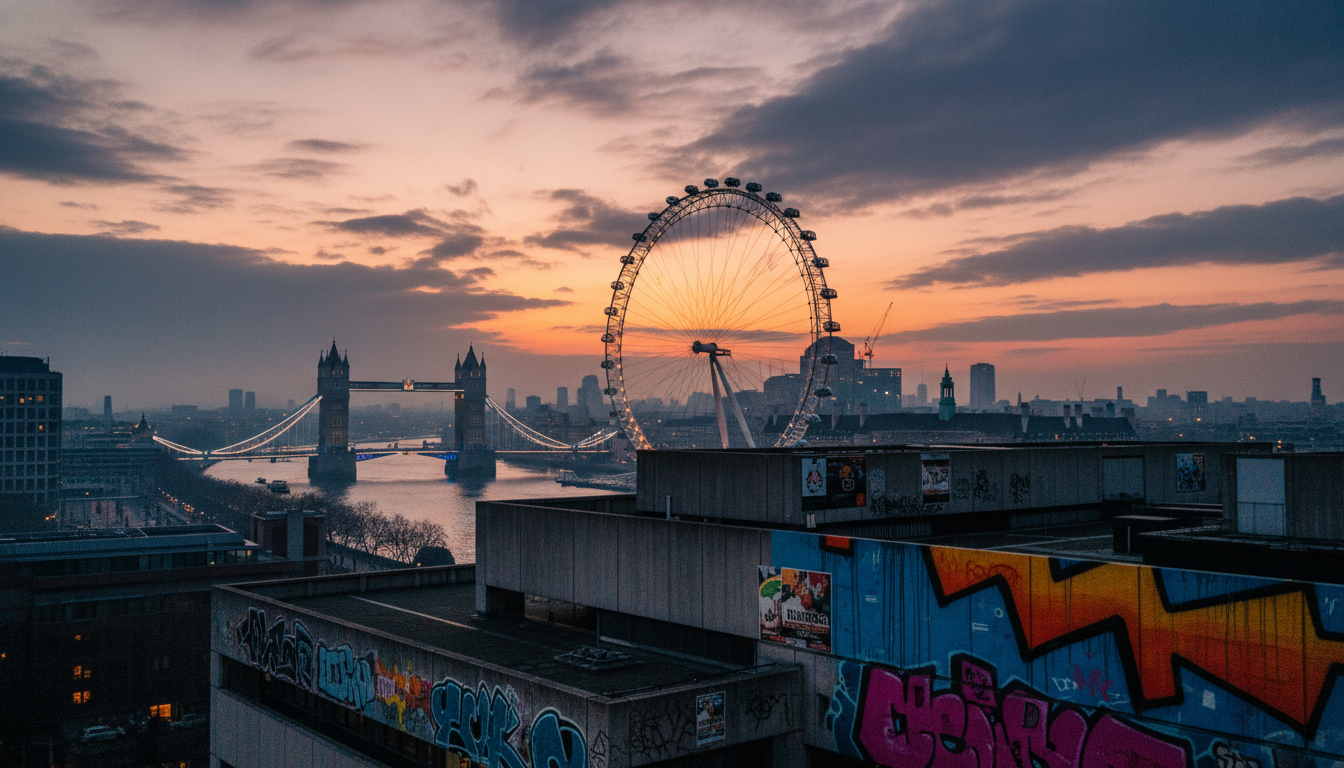
Curious what small, offbeat spots can turn a quick city trip into a lasting memory? You’ll still get the big views—think riverside panoramas and theater nights—but this list leans local: free gardens, micro-museums, and oddball finds that feel like a friend’s tip.
We focus on smart planning for U.S. travelers: when to book timed entries (Sky Garden, Warner Bros. Studio Tour, London Eye), where to shelter from rain, and how to stitch stops by Tube and on foot. Expect markets (Camden, Borough, Portobello), canal walks, and tucked-away courtyards that show the city’s real energy.
Think of this as a local-style list: views, food, history, art, and books—pick a vibe and build your own hit list. We’ll nudge you off the obvious route while keeping logistics simple, safe, and realistic for a short visit.
Key Takeaways
- Mix big and small: combine classic sights with quirky micro-stops for a personal experience.
- Book timed entries for Sky Garden, the Eye, and Harry Potter Studio early.
- Use free viewpoints and museums to stretch a budget-friendly trip.
- Link points by Tube and walking—plan routes to save time.
- Choose a vibe—views, food, art, history, or books—to tailor your day quickly.
Unique attractions in london: how this list is organized for your trip
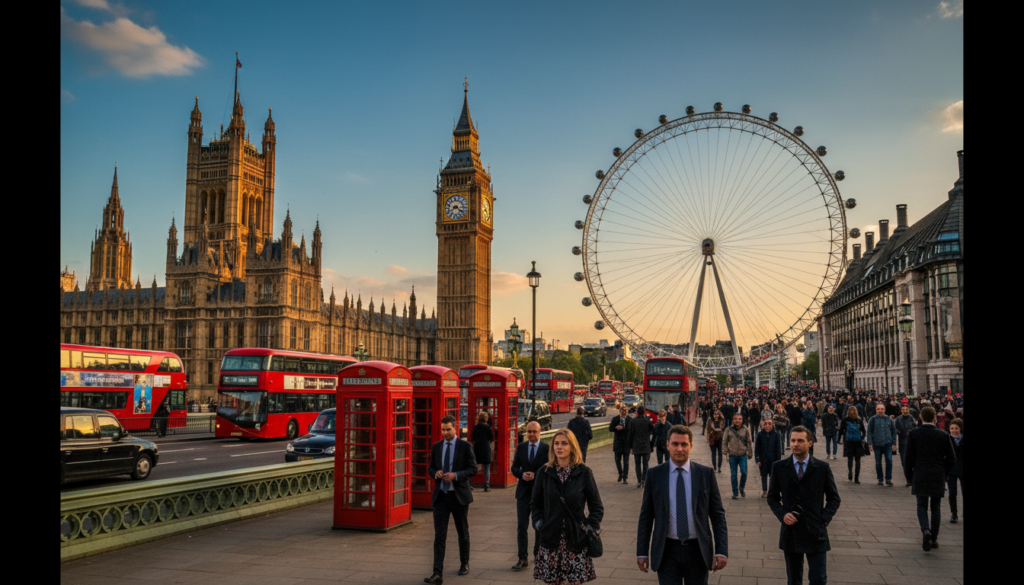
Lock in high-demand tickets first, and build short, walkable clusters around them for smoother days. Book the Sky Garden (free but sells out), the London Eye, Madame Tussauds, or Harry Potter Studios before anything else. Borough Market closes early most days (roughly 10–5), so plan timing for food stops.
Stackable format: each mini-section groups top things london in one nearby area so you spend less time commuting and more time exploring. Pick a booked anchor, then add free or low-cost stops around it.
- Navigation cheat: walk for short central london runs; take the tube for longer hops; choose a river or canal tour for transport + views.
- Budget lens: free picks include the British Museum, Tate Modern, and Wellcome Collection; splurges worth a day ticket are the Eye or a studio tour.
- Weather plans: blue-sky: canal strolls and roof terraces. Rain: Twist Museum, Churchill War Rooms, and covered markets.
Quick travel comfort tip: bring an umbrella, check opening times, and avoid peak commuter crush on weekday mornings.
Iconic London views that still feel special
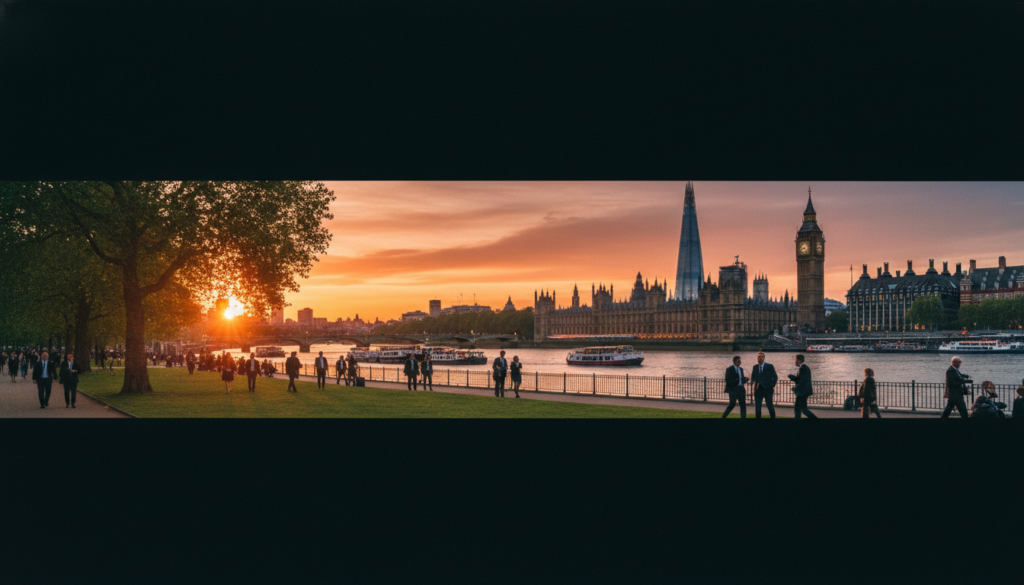
Start your day with a skyline stroll that turns familiar sights into new moments. Time the London Eye for late afternoon: the ride lasts about 30 minutes and shifts from daylight to city lights. Book ahead and consider fast-track tickets to skip long waits.
Sky Garden sits atop the Walkie-Talkie building and is a rare free wow-view. Tickets are timed and often sell out, so reserve a slot early and pair it with a City of London walk.
St Paul’s Cathedral is the earned view — you climb the dome and get a true skyline payoff. A simple route to string these sights together: Millennium Bridge → Tate Modern riverfront → St Paul’s photo moments.
- Best times: early morning for bridges; weeknights for fewer people.
- Avoid peak weekends when possible; mornings give cleaner light for photos.
| Spot | Time | Tip |
|---|---|---|
| London Eye | 30 minutes | Book in advance, fast-track if short on time |
| Sky Garden | Timed entry | Free but reserve early |
| St Paul’s | Dome climb | Climb for the skyline experience |
For more spots and timing ideas, see this best views guide.
Markets and neighborhood energy you won’t get anywhere else
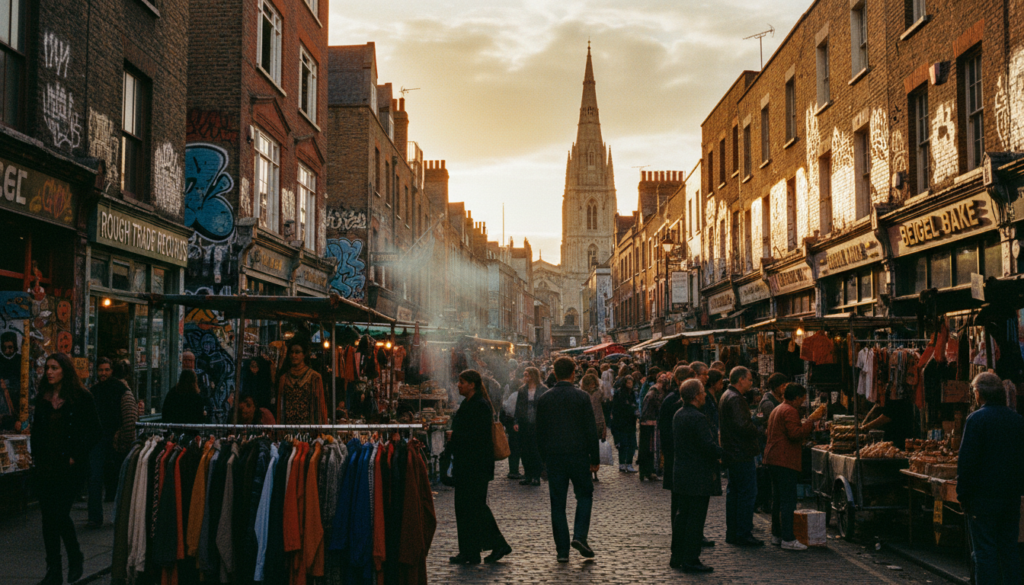
Markets are where the city breathes—each one offers a different pulse and purpose. Pick a market by mood: Camden for edgy fashion and its music history, Borough for next-level bites, Portobello Road for colorful streets and antiques, and Brick Lane for vintage treasure hunts.
Timing matters. Hit Borough early for the best selection and to avoid arriving hungry just before it closes. Camden is busiest on weekends — try weekdays if you dislike crowds.
- Neighborhood texture: expect street performers, indie shops, and lots of stalls that make each market feel like a mini-city.
- Easy add-ons: pair Borough with a Thames walk, stroll Brick Lane for east london street art, or wander Notting Hill for photos.
- Budget tip: snack through stalls instead of full restaurants, then save one dinner for something special.
- Local pause: drop into nearby pubs to sit down and watch people while you plan the next stop.
Canals, river routes, and unexpected ways to see the city
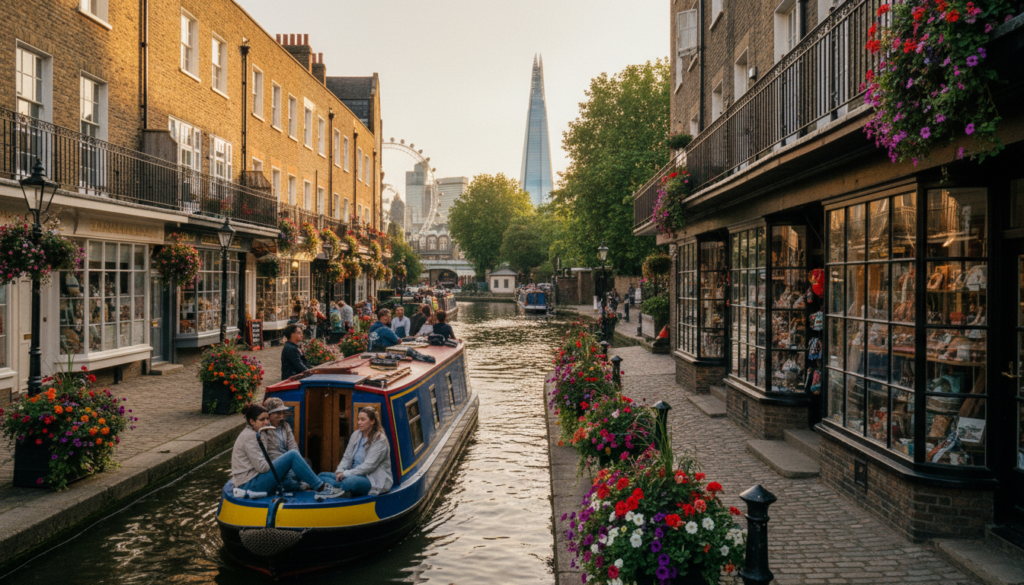
Glide along water routes to see the city from a calm, low-slung vantage that feels like a mini escape. It’s sightseeing without sore feet. 🙂
Thames cruises run from near Westminster and the London Eye toward the Tower and Greenwich. Treat a cruise as a short tour: ride one-way to save walking time, and still take a look at major landmarks from the water.
The Regent’s Canal waterbus from Camden to Little Venice is a quieter tour. It slips past the zoo and offers a cozier experience than busy river boats. Pair a ride with a short canal-walk to see colorful boats, waterside cafes, and hidden green spots.
Greenwich Foot Tunnel is a neat mini-adventure: opened in 1902, about 370m long and over 15m below the Thames. You can walk under the river or use the lifts and feel like you found a different way through the city.
- Pro tip: use a cruise as transport—westminster → Tower Bridge/Greenwich saves time.
- Bring layers: it gets breezier on the water.
- Check schedules and have a Plan B for wet days or others disruptions.
| Route | Typical board | Best for |
|---|---|---|
| Thames sightseeing cruise | Westminster / London Eye | Landmarks without walking |
| Regent’s Canal waterbus | Camden | Quiet, scenic short trips |
| Greenwich Foot Tunnel | Greenwich / Isle of Dogs entrances | Under-river novelty walk |
Hidden courtyards and secret passages in central London
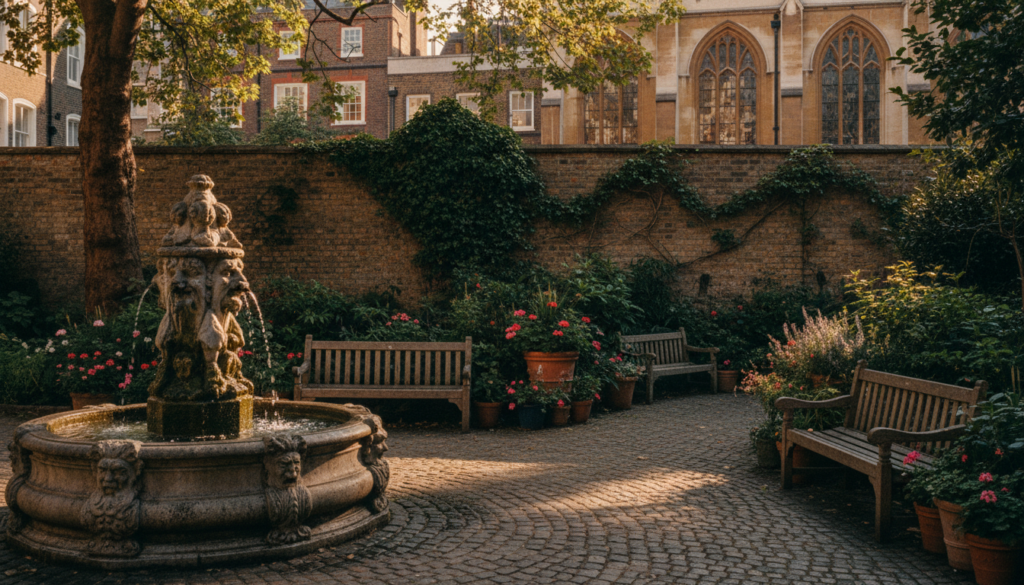
Turn a corner and you can move from noisy streets to a calm, sunlit courtyard in seconds. This is the London behind the main routes — a quieter layer where one narrow cut-through can feel like a little prize.
Farrier’s Passage off Brewer Street drops you into Smith’s Court, a compact place of colorful shops and a peaceful vibe. It’s a favorite free, under-the-radar win when Soho gets busy.
How to look for these spots: keep your eyes up for covered alleys, covered doorways, and small signs. If you spot a passage, try it — safely and respectfully.
- Go early for photos and fewer people.
- Be mindful: don’t block shopfronts or private doors.
- Pair a quick courtyard stop with a theater or shopping street for contrast: buzz, then calm.
| Spot | Why go | Quick tip |
|---|---|---|
| Farrier’s Passage / Smith’s Court | Colorful shops, calm courtyard | Ideal free stop while exploring Soho |
| Covered alleys (various) | Quiet pockets away from crowds | Look up for signs and narrow entrances |
| Small courtyards near theatres | Peaceful pause after shows | Perfect for a short rest and photos |
The best bit: these places are not about checking boxes. They reward curiosity — the simple joy of finding a small corner of the city that feels like yours. For other odd spots and a short list that pairs well with these quiet finds, see this weird attractions guide.
London’s quirky museums and interactive experiences
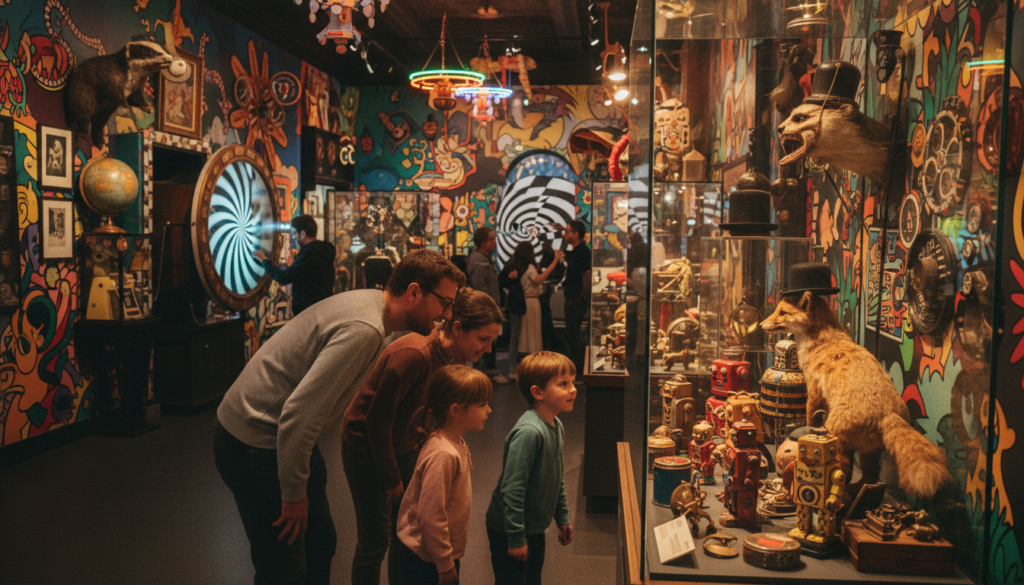
Pack a spare hour and an open mind—these small museums turn odd bits of history into real fun.
The Twist Museum on Oxford Street is the laugh-out-loud pick: an interactive illusions experience that takes about 1–2 hours. Lockers and accessibility notes make it easy for families and couples to enjoy the photo-driven fun.
The Wellcome Collection is free and thoughtful—modern exhibits about health and the human story. Spend a little time in the reading room and browse a gift shop that’s actually worth a stop.
For offbeat charm, head to the Horniman Museum: the stuffed walrus is a local legend and the gardens give you outdoor space after gallery time. It’s a great escape from the busiest tourist places.
The British Museum is the free giant—set a tiny target (the Rosetta Stone) so the visit feels achievable, not overwhelming.
- Weather-proof wins: museums rescue rainy days and give you memorable experiences.
- Choose your mood: high-energy interactive, quiet curiosity, or iconic-and-massive.
| Spot | Why go | Typical time |
|---|---|---|
| Twist Museum | Interactive illusions, photo fun | 1–2 hours |
| Wellcome Collection | Free, thoughtful art and health exhibits | 1–1.5 hours |
| Horniman Museum | Offbeat displays + gardens | 1–2 hours |
| British Museum | World-class objects (Rosetta Stone) | 30 min–2 hours |
After-dark London that’s more than just nightlife
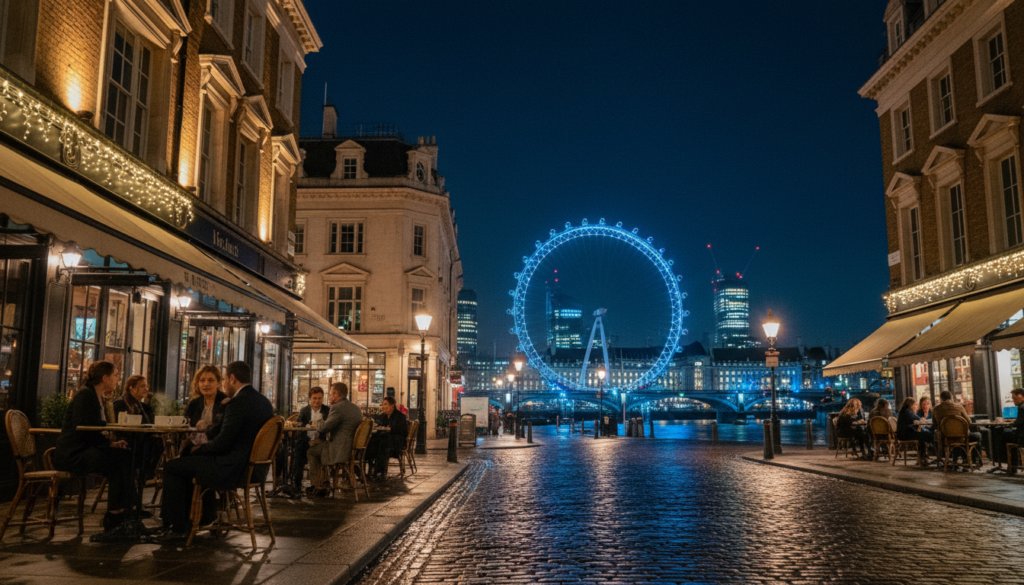
Evenings offer a different city beat—mood lighting, late museum hours, and small stages where surprising shows happen.
Swap a club night for late culture: many galleries run late nights (National Gallery on Fridays; V&A on its monthly late). These evenings have fewer kids, moodier lighting, and sometimes DJs or drinks—perfect for a relaxed museum experience.
Try a self-guided night walk through Covent Garden, Soho, and Mayfair. The lit streets and quieter crowds make photos and window-shopping feel cinematic.
- Theatre, but different: pick immersive fringe shows or venues like The Vaults and Wilton’s Music Hall for a singular performance night.
- Historic pub, not a pub crawl: seek out Ye Olde Cheshire Cheese or Ye Olde Mitre for stories, small rooms, and a proper pint.
Practical notes: pre-book tickets when required, check last Tube times, and keep your first night easy if you’re jet-lagged.
| After-dark Option | Best for | Quick tip |
|---|---|---|
| Museum late openings | Low-key culture + drinks | Reserve online; arrive after 7pm |
| Night walk (Covent Garden → Soho) | Lit streets & photos | Map the route and stop at small cafés |
| Fringe theatre / Vaults | Immersive shows, odd spaces | Book ahead; small venues fill fast |
| Historic pubs | Atmosphere and storytelling | Go early to grab a table |
For late-night museum listings and odd-night options, see this late-night museum guide to plan your after-dark experience with confidence.
Historic London that feels immersive (not like a textbook)
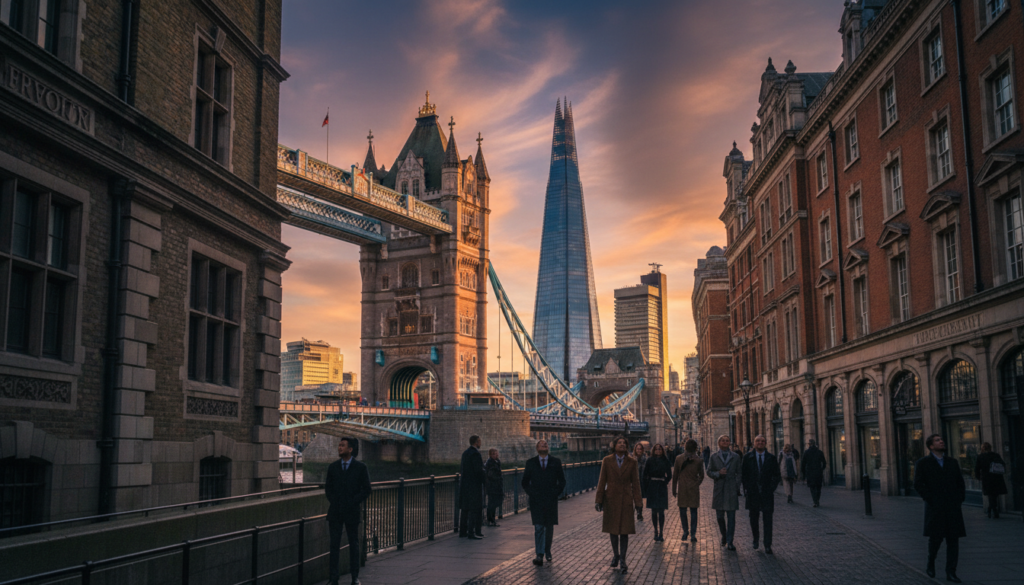
Step past plaques—this part of the city lets you stand inside moments that shaped the modern world. You’ll feel the scale of events, not just read about them.
The Churchill War Rooms are a preserved post-war bunker near 10 Downing Street. Walk the corridors where leaders planned WWII strategy—it’s visceral and quiet powerful even if you’re not a history buff.
Westminster Abbey dates to the mid-11th century and has hosted coronations since 1066. See the outside grandeur quickly, then pick one paid interior visit—Abbey or a Parliament tour—if you want depth.
Gothic option: Highgate Cemetery (opened 1839) offers a dramatic contrast. The West side needs an organized tour (~£18, ~70 minutes); the East side has graves like Karl Marx and Douglas Adams.
- One heavy stop per day: balance a deep visit with a market or park so your trip feels fun, not homework.
- Historic homes: seek small palaces and heritage houses for repeat-visitor discovery.
| Spot | Why go | Quick tip |
|---|---|---|
| Churchill War Rooms | Step-into-WWII bunker | Book timed entry |
| Westminster Abbey | 11th-century church, coronations | See outside fast; tour inside if you have time |
| Highgate Cemetery | Gothic graves & architecture | West tour required; East can be self-guided |
Surprisingly peaceful places in the middle of the city
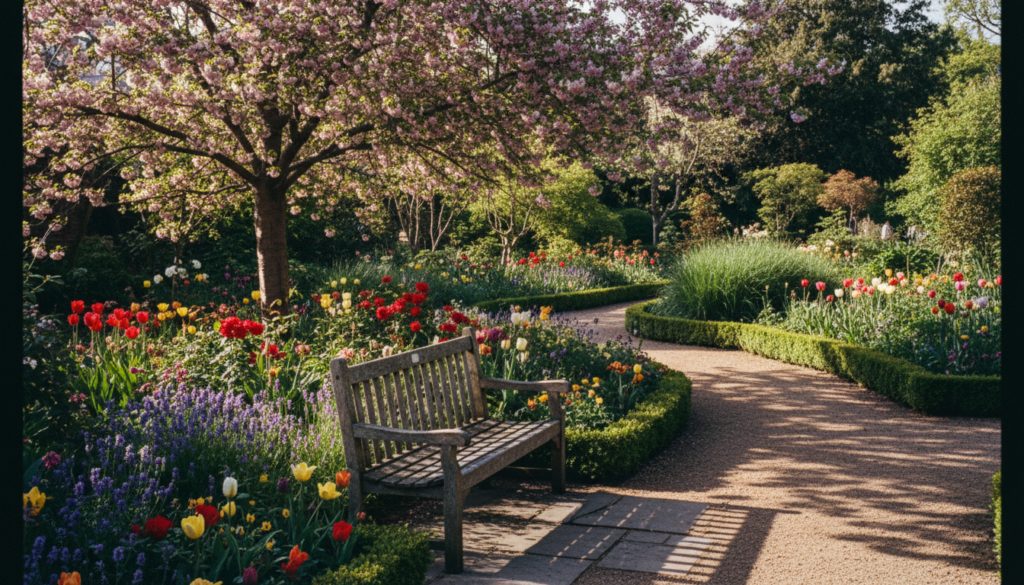
A calm green spot can feel like a secret pause button during a busy city day. These small gardens give you space to breathe and reset between big stops.
St Dunstan in the East is a ruin-turned-garden tucked among tall buildings. It fills up at lunchtime, so go early or late to catch the calm.
Hill Garden & Pergola sits near Hampstead Heath and feels secretly romantic. It’s free and perfect for photos that don’t look like the usual tourist shots.
Barbican Conservatory is the indoor-green hack: about 1,500 plants, fish, and terrapins. Tickets are free but timed and released roughly a month ahead—plan for Friday evenings if they’re open.
“Give yourself permission to slow down—these corners are your reset buttons.”
- Mornings or late afternoons beat the crowds.
- Weekdays and shoulder seasons feel quieter.
- Pair a high-energy market, a calm garden stop, then dinner for balance.
| Spot | Why go | Quick tip |
|---|---|---|
| St Dunstan in the East | Ruins + greenery | Avoid lunchtime for quiet |
| Hill Garden & Pergola | Romantic, photo-ready space | Free; combine with Hampstead Heath |
| Barbican Conservatory | Tropical indoor plants & wildlife | Free timed tickets; book ahead |
Free culture stops that deliver big “wow” value
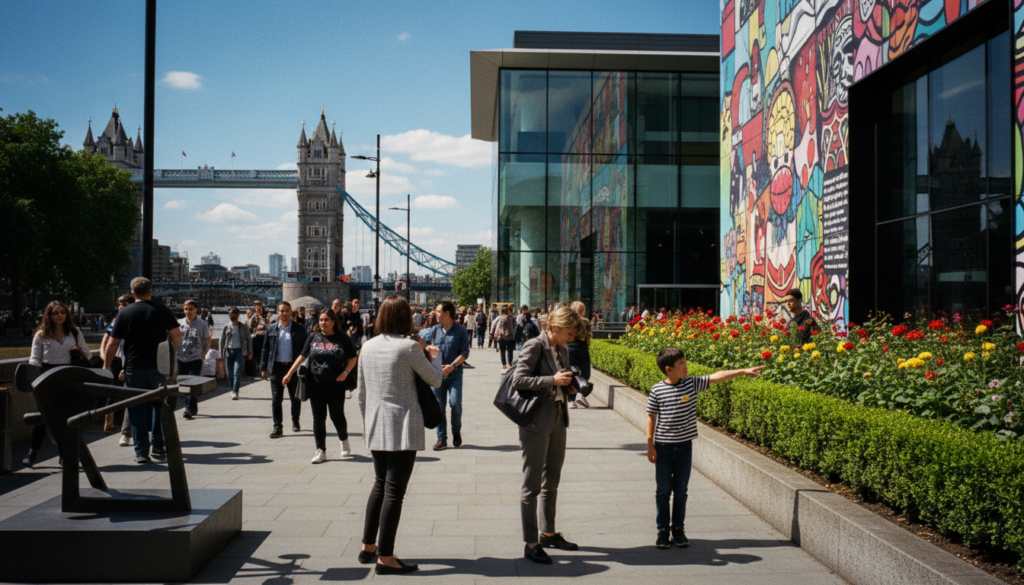
You can pack world-class art, rare manuscripts, and a rooftop view into one budget-friendly day.
Build a compact, free culture loop that still feels premium: one headline museum, one riverside gallery, and a short niche stop. The British Museum is the high-impact pick—target a few objects (Rosetta Stone, Egyptian highlights) so you don’t get museum fatigue.
Tate Modern is free to visit for its main galleries and sits right on the South Bank. It’s perfect if you’re walking the river and want modern art plus great views.
The British Library Treasures Gallery is a real flex: Magna Carta, Gutenberg Bible, Shakespeare folios, Leonardo drawings, and Beatles lyrics all in one small room. It’s a quick, unforgettable stop.
- Plan: mix one big museum with a short gallery or reading room.
- Book Sky Garden early: it’s free but not casual—grab a time slot at the start of your trip.
- Pace tip: get outside between stops to reset—parks or a riverside café work well.
“Pick a few must-sees from this list and keep the rest for a next visit—quality over quantity.”
Street art and creative corners beyond the postcard London
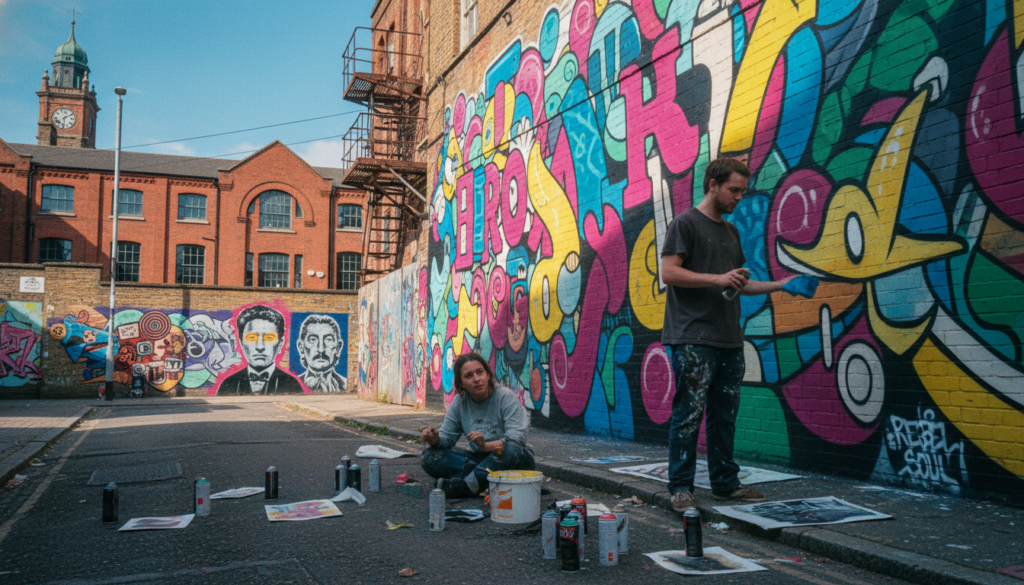
Street walls and back streets here act like a roll of ever-changing canvases—bring good shoes and a curious eye.
Quick hits: Leake Street Arches (near Waterloo) is the longest legal graffiti wall and often has artists at work. You can even join graffiti workshops that run around £50.
Go a little farther: Dulwich Outdoor Gallery pairs murals with famous Baroque paintings—expect a big Conor Harrington piece and other street names like Stik.
- Brick Lane blends vintage shopping with wall art for an east london vibe you can’t fake.
- Respect the scene: don’t block artists, avoid trespassing, and be mindful on residential streets.
- DIY way to explore: pick one anchor wall, then wander side streets for smaller surprises.
| Spot | Why go | Tip |
|---|---|---|
| Leake Street Arches | Instant impact, live painting | Central and easy to reach |
| Dulwich Outdoor Gallery | Murals tied to classic art | Worth the short trip south |
| Brick Lane | Art + vintage shopping | Best on a relaxed walk through the East End |
Unusual architecture, ruins, and Roman London you can see today
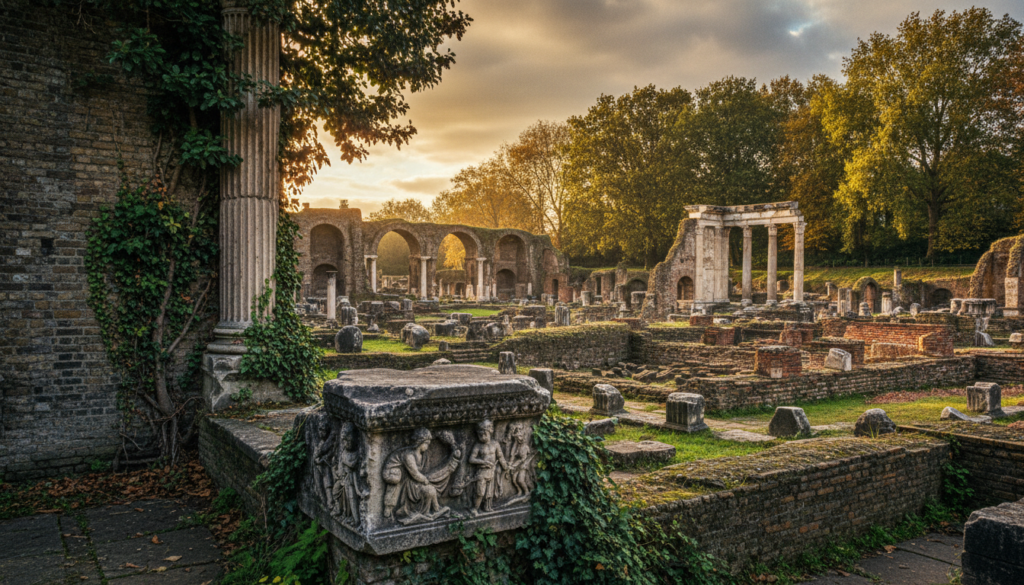
Beneath the city’s glass and steel, ancient stone still peeks out at curious passersby.
Make Roman London real: stand where Londinium stood and feel history underfoot. Start at the London Mithraeum (Temple of Mithras). It’s free, atmospheric, and tucked inside the modern financial district—perfect for skeptics and history lovers alike.
For a quick walking loop, follow this route: Tower Gateway → Cooper’s Row → Vine Street. You’ll see the best surviving Roman Wall section and smaller fragments that show how the city grew over years.
Why Vine Street is special: parts of the wall sit inside a modern building, so you get layers of past and present in one corner. That contrast is a thing you won’t forget.
For architecture and engineering fans, add the Thames Tunnel Shaft at the Brunel Museum in Rotherhithe. The 1843 tunnel work links industrial ingenuity to the wider world of Victorian design.
“Seeing stones and shafts like these makes centuries feel close—bring good shoes and a curious eye.”
- Who it’s for: history nerds, architecture buffs, and anyone who loves a hidden find.
- Time tip: allow 1–2 hours to visit the Mithraeum and walk the Roman Wall fragments.
| Spot | Why go | Quick tip |
|---|---|---|
| London Mithraeum | Reconstructed Roman temple under the modern city | Free entry; visit early to avoid crowds |
| Cooper’s Row (Roman Wall) | Best surviving wall with viewpoint | Short stop on a walking loop |
| Vine Street fragment | Ancient wall stones inside a building | Peak example of layered city history |
| Thames Tunnel Shaft (Brunel Museum) | Victorian engineering landmark linked to 1843 tunnel | Combine with Rotherhithe walk for context |
Book-lover and design-lover must-stops
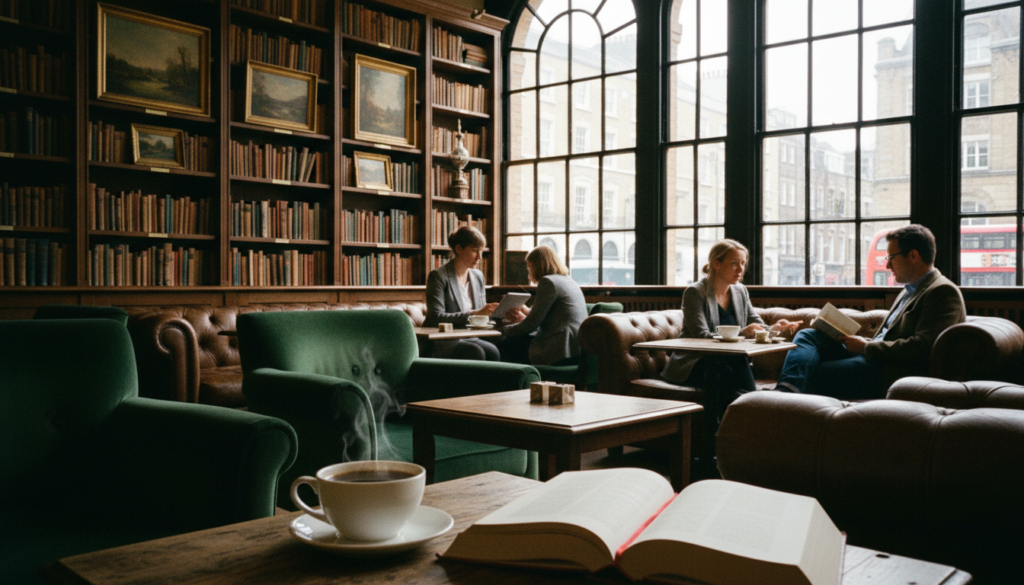
For anyone who loves paper, print, and clever design, these three places deliver a proper bookish thrill.
Word on the Water is a literal bookbarge on the Regent’s Canal at King’s Cross. It usually opens noon–7pm (closed Christmas Day), offers cozy seating and a wood-burning stove, and is perfect for slow browsing and warming up after a canal stroll.
British Library Treasures Gallery is free and high-prestige: Magna Carta, Shakespeare folios, and Beatles lyrics live here. You can do this place in under an hour, or linger if manuscripts are your thing.
House of MinaLima in Soho is part-shop, part-museum, and full of Harry Potter graphic props. It’s free to enter, great for design fans, and a smart spot to buy one special print or postcard as a take-home post.
Pairing tips: do Word on the Water plus a Regent’s Canal walk; pair MinaLima with Soho secret passages; visit the British Library when you’re near St Pancras. Browsing is free—buying a small print or post is a cheap, meaningful memento.
| Spot | What to expect | Quick tip |
|---|---|---|
| Word on the Water | Floating bookshop, stove, canal vibe | Go after noon; combine with canal walk |
| British Library Treasures Gallery | Magna Carta, folios, historic manuscripts | Free entry; plan 30–60 minutes |
| House of MinaLima | Design displays + quality shops | Free to enter; buy a print or postcard |
For an expanded plan that groups these places into a bookish day, take a look at a suggested itineraries for book lovers.
Quirky food and drink experiences worth planning around
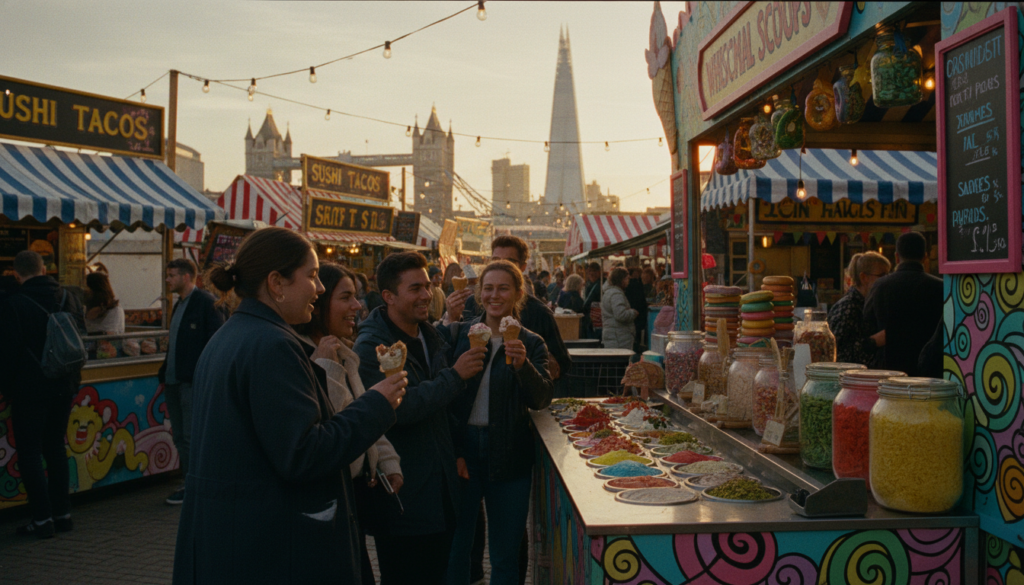
Food in this city doubles as theatre—many bites come with stories attached. These stops are more than a meal: they’re a snackable way to see the city while you eat.
Afternoon Tea Bus: Brigit’s Bakery runs a classic Afternoon Tea Bus from Victoria Coach Station. It’s a two-in-one tour: scones and sightseeing past Big Ben, Westminster Abbey, and Royal Albert Hall. Great when you have one day and want lots of views with tea.
Attendant Fitzrovia: this coffee stop sits in a former Victorian men’s public toilet. Expect quirky seating near old fixtures—an intentionally odd, charming place to sip and photograph.
Borough Market is a top food market but closes late afternoon. Go early, share bites, and treat it like lunch so you don’t miss the best stalls.
Historic pub walking tours focus on stories and interiors rather than heavy drinking. They’re the smart way to see famed pubs and meet local people without a messy night.
- Book weekend experiences ahead.
- Arrive hungry but plan to share small plates.
- Bring a mix of cash and card for stalls.
| Experience | Why go | Quick tip |
|---|---|---|
| Afternoon Tea Bus | Sightseeing + British tea ritual | Book timed seats; arrive at Victoria early |
| Attendant Fitzrovia | Quirky coffee shop in former loo | Go for photos and atmosphere, not quiet work time |
| Borough Market | Top daytime food stalls | Eat early; plan lunch here |
| Historic pub walking tour | Stories, interiors, social history | Book a guided slot to learn more |
Day trips and special-ticket experiences to book ahead
High-demand experiences move fast—book them as soon as your trip dates are fixed.
Start your book-ahead shortlist with the Warner Bros. Studio Tour: The Making of Harry Potter. Tickets often sell out months early, and many U.S. travelers find a tour package with coach transport the easiest option. Choose a fully guided tour if you want behind-the-scenes depth and fewer transfers.
Next, lock London Eye tickets. Advance purchase cuts queue time; fast-track upgrades save you more if your schedule is tight. A timed slot keeps your afternoon predictable and frees up other parts of the day.
For a classic England day, consider the Stonehenge, Windsor, and Bath combo. It’s a top way to see more of the world outside the city without renting a car. Most trips include coach pickup and a guide, so planning is simple.
DIY vs. tour: choose DIY for short Tube-based days where you control pace. Pick a guided tour when transport, tight transfers, or long drives would eat into sightseeing time.
Don’t stack two big-ticket days back-to-back—leave one flexible day for markets, street art, or recovery.
| Experience | Why book early | Tip |
|---|---|---|
| Warner Bros. Studio Tour | Limited tickets; popular with families | Book when flights are booked; consider coach tour |
| London Eye | Timed entries; long lines on peak days | Buy timed tickets or fast-track |
| Stonehenge / Windsor / Bath | Full-day tour; saves driving & transfers | Choose a tour with pick-up for easy logistics |
Conclusion
You don’t have to do everything to have a legendary trip. Pick a smart mix of icons and local places and you’ll come away full of stories, not exhaustion.
Pick 5: one view, one market, one museum, one hidden courtyard, and one relaxed evening plan. That simple combo gives you lots of texture without a rushed day.
Sample sprint (1 day): Sky Garden at dawn → Borough Market for lunch → Thames walk → a quiet courtyard → West End show. Longer weekend (3 days): add Harry Potter Studios, a canal ride, and a garden stop.
Big wins: book Sky Garden and studio tours early, check market hours, and use river or canal routes to move around. Travel like locals—pause in gardens, wander side streets, and leave room for a spontaneous find.
Practical US tip: pack layers, an umbrella, and always confirm opening times before you head out.
FAQ
How is this list organized to help plan your trip?
The guide is grouped by experience—views, markets, canals, hidden courtyards, quirky museums, night scenes, historic sites, peaceful spots, free cultural stops, street art, unusual architecture, book and design shops, food and drink, plus day trips and ticketed activities—so you can pick sections that match your mood, time of day, and budget. Use the groups to build a day or a themed route.
Which iconic views should I see that still feel special?
Head for places like Sky Garden, the Thames riverside near Tower Bridge, and Primrose Hill at sunrise. These spots give classic panoramas but at quieter times you get a fresh perspective—great for photos and a calm moment in a busy city.
What markets and neighborhoods capture local energy best?
Visit Borough Market for food stalls, Brick Lane for vintage shops and curry houses, and Columbia Road Flower Market on Sundays. Each area has its own rhythm—street performers, independent cafes, and pop-up stalls that make wandering feel like discovery.
Are there good ways to explore via water or unexpected routes?
Yes—consider a Thames Clipper ride, a guided canal boat on Regent’s Canal, or a short ferry hop to Greenwich. Water routes offer different city angles and often bypass crowded streets, giving you a relaxed sightseeing option.
Where can I find hidden courtyards and secret passages in central London?
Look for places like Leadenhall Market, Cecil Court, and the courtyard gardens around Covent Garden. These tucked-away spots reveal old architecture and quiet cafés just steps from major stations—perfect for a pause between sights.
Which quirky museums are worth a visit for hands-on fun?
The Museum of London Docklands, the V&A’s design displays, and the Sir John Soane’s Museum offer immersive, offbeat exhibits. Many smaller museums have interactive elements that are great for families and curious travelers.
What after-dark activities go beyond typical nightlife?
Try a twilight walking tour through historic alleys, late openings at museums, live jazz in small clubs, or a nighttime river cruise. These options reveal a different mood and fewer daytime crowds.
How can I experience historic London without feeling like I’m in a textbook?
Choose immersive sites—Tower of London tours with Beefeaters, guided walks around the Roman ruins near the Museum of London, or theatre shows at the Globe. Story-driven tours bring history to life and connect past to present.
Where are the surprisingly peaceful spots in the middle of the city?
Hidden gardens such as Postman’s Park, St Dunstan in the East, and the Kyoto Garden in Holland Park offer quiet green space. These calm pockets are ideal for reading, picnics, or a short restorative break.
Which free culture stops deliver big “wow” value?
The British Museum, Tate Modern, and the Natural History Museum offer world-class exhibits with free entry. Many galleries rotate special exhibits, and public installations along the South Bank add extra value without a ticket.
Where should I look for street art and creative corners beyond the postcards?
Shoreditch, Brick Lane, and Shoreditch’s side streets host ever-changing murals and stencil art. Guided street-art walks explain the stories and artists behind pieces you might otherwise miss.
What unusual architecture or Roman remains can I still see today?
The Roman Wall sections near the Museum of London and the ruins under the Guildhall show the city’s ancient layers. Modern architectural highlights include the Shard, the Gherkin, and the Barbican estate—each offering different eras and styles to admire.
Which book and design shops are must-stops for lovers of print and style?
Daunt Books (Marylebone), Hatchards, and the shops around the Design Museum are brilliant for browsing. Independent bookshops and design boutiques scatter across Bloomsbury and South Kensington for inspired finds.
What quirky food and drink experiences should I plan around?
Try themed supper clubs, historic pubs with character near the Thames, food markets like Borough, and afternoon tea with a twist. Booking ahead helps for popular pop-ups and seasonal food events.
Which day trips and special-ticket experiences should I book in advance?
Book major attractions like the London Eye, West End shows, Hampton Court Palace, and guided tours of the Crown Jewels early—especially during peak months. Day trips to Windsor, Bath, or Oxford often sell out on weekends, so reserve spots to secure the best times.