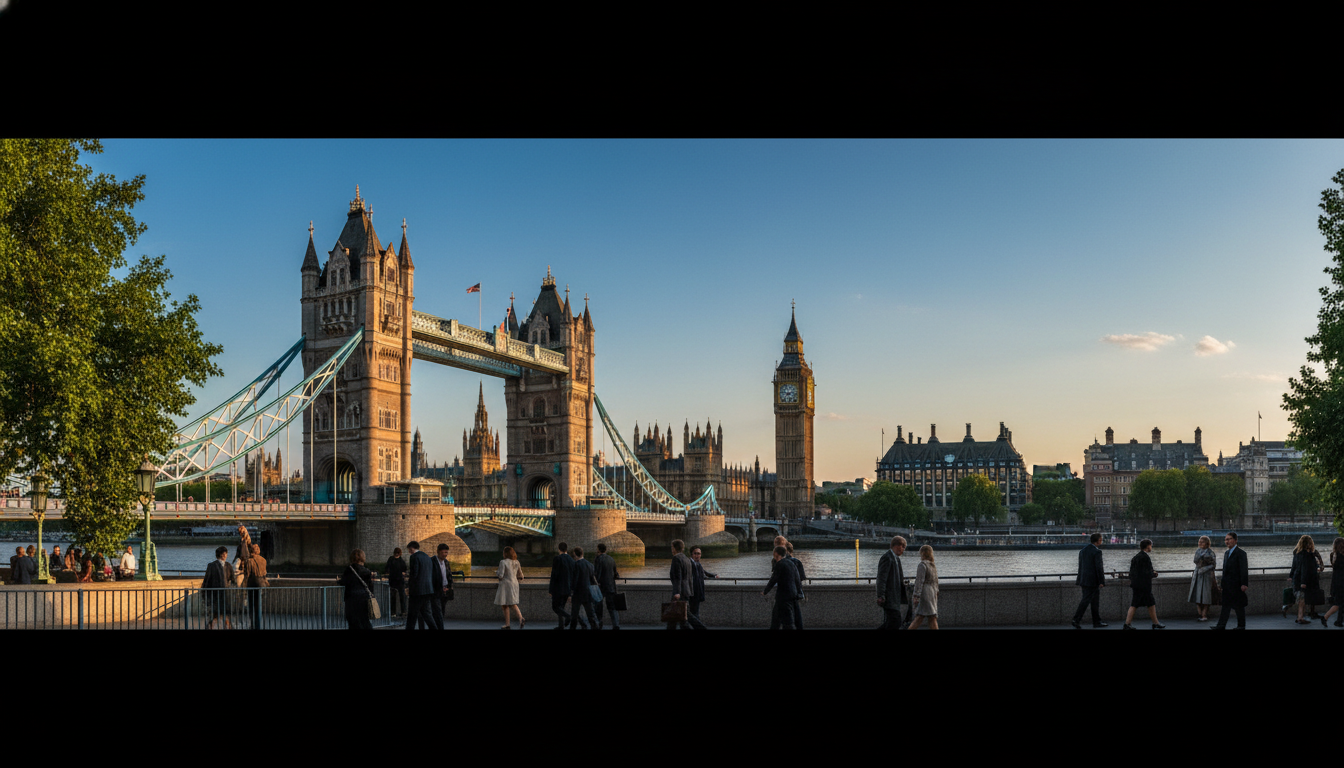
Can you truly see this city well in just a few days—or do you need to slow down to feel it?
You can hit the highlights without running yourself ragged. With a smart, you-first plan, you’ll balance iconic landmarks and local-feeling neighborhoods.
How this guide works: we list must-see sights first, then easy, bundle-able areas, and finally tours and transport tips so you can tailor each day without overplanning.
We’ll flag picks for history lovers, photographers, families, foodies, and first-timers. Expect riverside views, royal and wartime history, standout churches, and markets that taste like the city.
Practical note for U.S. travelers: jet lag and lines are real. Timed-entry tickets and reservations often turn a stressful day into a smooth one—book ahead when possible.
Key Takeaways
- Plan for high-impact stops—don’t try to do everything on one trip.
- Use the guide’s organization to bundle sites by area and save time.
- Choose your style: history, photos, family fun, or food-focused days.
- Book timed tickets early for popular sites to avoid long waits.
- Many great highlights are free or low-cost—spend wisely where it counts.
London Eye views over the Thames
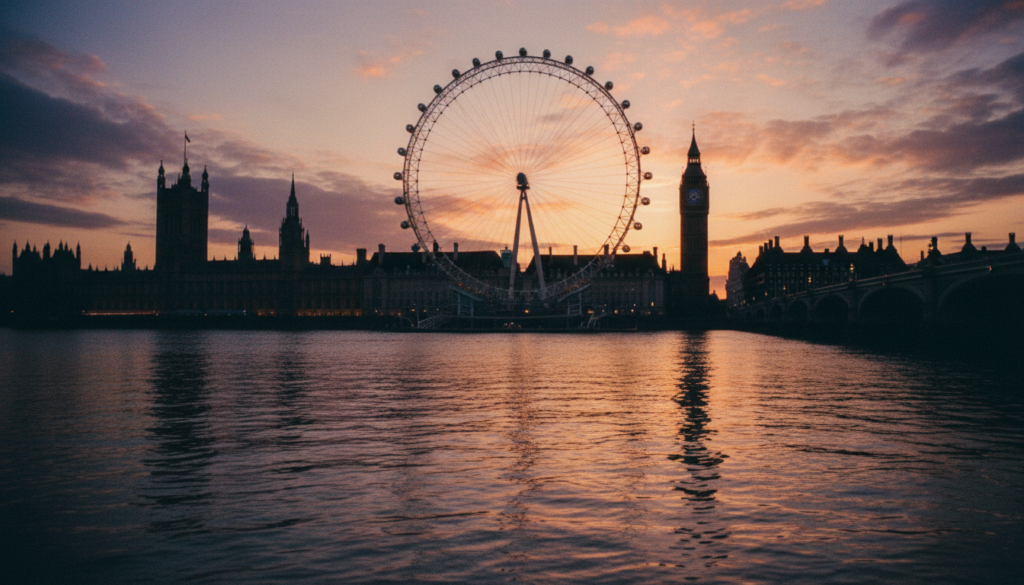
A single 30-minute ride on the Eye gives you a fast, unforgettable summit of the city skyline. You’ll float in a glass capsule and watch the Thames ribbon through the center, with clustered landmarks shrinking and revealing London’s shape.
Why it’s smart: big payoff, minimal effort—ideal when you want skyline shots without hiking or long walks. Early morning or late afternoon offers softer light and shorter lines; sunset is stunning but crowded.
Ticket tips: book tickets ahead to skip long queues. Standard timed entry works fine on quiet days; fast-track tickets cut waiting time when crowds spike. Allow extra minutes for security if you’re with kids or a group.
Pairing idea: combine the Eye with a riverside stroll, then pivot toward Westminster to keep momentum. For context, add a short Thames boat cruise—one experience is above, the other moves alongside the city’s veins.
- Duration: ~30 minutes per rotation
- Best times: early morning or late afternoon
- Buy tickets in advance; consider fast-track for peak days
Tower of London highlights: history, Beefeaters, and the Crown Jewels
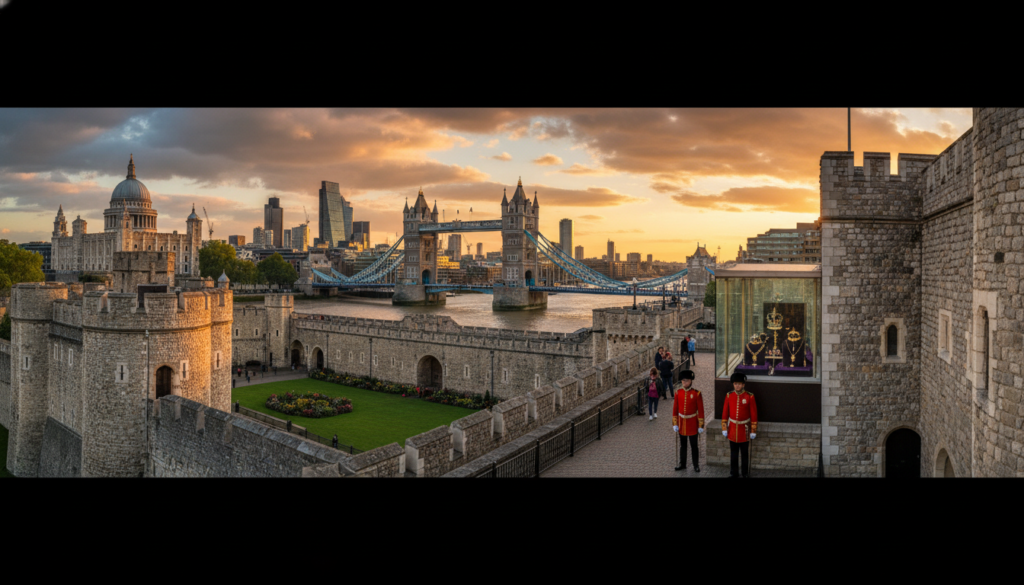
Step into a fortress that packs a millennium of power plays, prisons, and pageantry into one compact site.
The tower london began as a Norman stronghold in 1066; the White Tower rose in 1078 under William the Conqueror. That quick timeline sets the scene for the layered history you’ll meet here.
The Yeomen Warders—known as Beefeaters—lead lively guided tours. Their storytelling cuts through plaques and brings the stories of real people to life.
Plan your visit: allow at least a couple hours and buy a ticket in advance (average about £35). For the best start, choose early-access tours or the Opening Ceremony and go straight to the crown jewels.
- Must-see stops: White Tower exhibits, Bloody Tower, Chapel Royal of St Peter ad Vincula (Anne Boleyn’s burial).
- Photographers: try evening exteriors for dramatic light.
- Fun note: the ravens live here—lose them and, the lore says, the fortress may fall; kids love this.
| Feature | What to expect | Tip |
|---|---|---|
| White Tower | Medieval arms and Norman architecture | Start here for context |
| Crown Jewels | Royal regalia and historic ceremonies | Go early or use early-access ticket |
| Yeomen Warder tours | Story-led walk through centuries | Join a tour for lively anecdotes |
Tower Bridge Exhibition for classic photos and glass-floor walkways
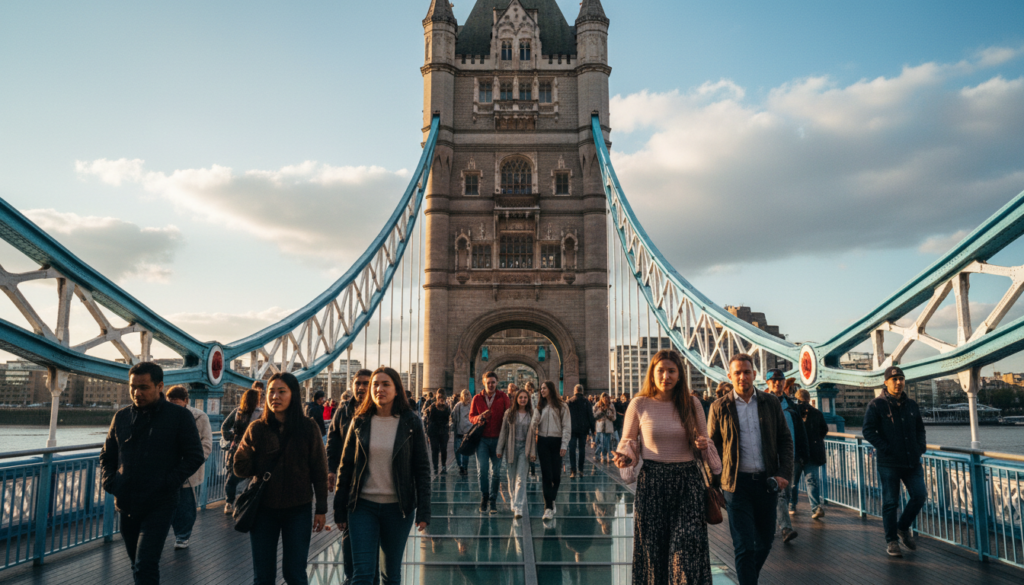
A walk across Tower Bridge becomes a backstage pass to Victorian engineering and skyline views. Built between 1886 and 1894, the bridge carries roughly 40,000 people a day and still thrills visitors with its mix of form and function.
The Exhibition lets you go inside the towers, step the high-level skywalks (including glass-floor sections), and visit the original Victorian engine rooms. This is one place where a simple walking tour turns into a mini museum visit.
- Clarify the mix-up: this is the iconic bridge—so you’re in the right spot for those classic photos.
- Best moment: linger on the skywalks for skyline shots and to watch river traffic from above.
- Engine rooms: see Victorian machinery and learn how the bascules used to lift for ships.
- Ticket advice: timed ticket entry (about £16) keeps your day on track—book ahead to avoid disappointment.
- Practical: combine this one visit with the Tower of London nearby to save travel time.
- Accessibility: if heights bother you, much of the museum remains enjoyable—plan around the glass-floor areas for comfort.
Westminster Abbey for royal ceremonies and famous tombs
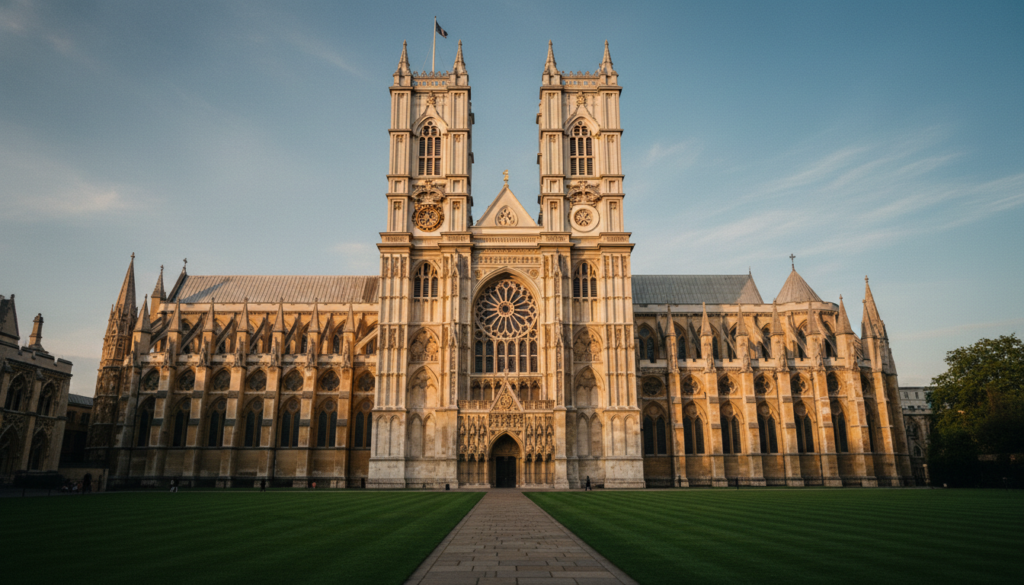
Step inside a building where coronations, royal weddings, and landmark funerals have shaped Britain for nearly a thousand years. Westminster Abbey is a UNESCO World Heritage site and the one church to prioritize if royal history tops your list.
Allow at least 1.5 hours for your visit. Start in the nave, then move to the Henry VII Lady Chapel and end in Poet’s Corner to keep the route simple and meaningful.
“A place where crowns and great minds meet.”
You’ll find famous tombs—Queen Elizabeth I, Charles Darwin, Isaac Newton, and Charles Dickens—names that make the experience personal for many American travelers. Photos are allowed without flash; please stay respectful: this is also an active place of worship.
- Why it matters: coronations here date to 1066, and ceremonies have shaped modern Britain.
- Timing and tickets: timed tickets are about £30—book ahead to avoid reshuffling your day.
- Pairing tip: combine the Abbey with the nearby Palace of Westminster for an efficient, walk-heavy day.
St. Paul’s Cathedral dome climb and crypts
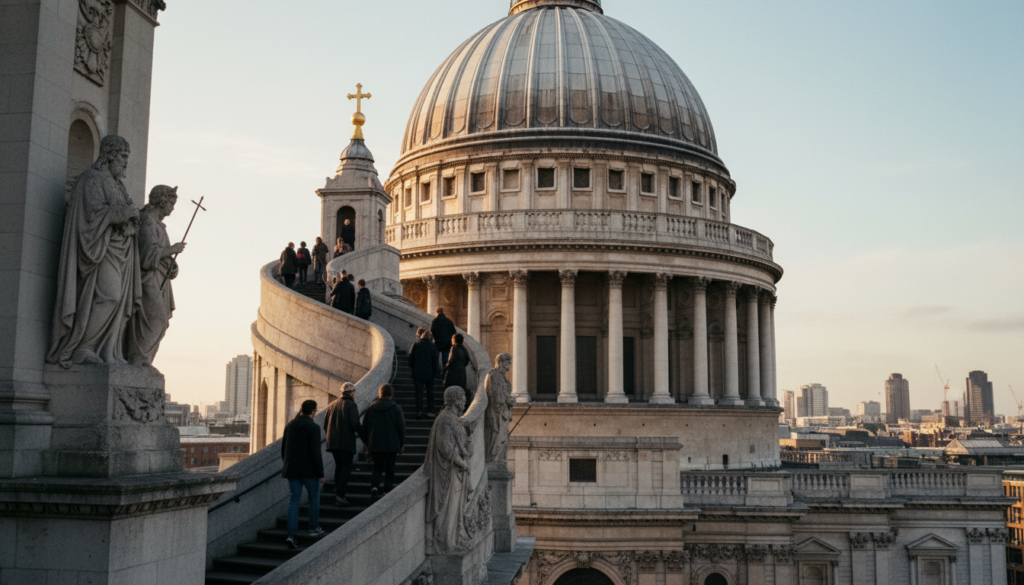
When you step through St. Paul’s, the dome pulls your eyes skyward and holds them. The scale feels like art and devotion rolled into one. Look up and you’ll see mosaics, light, and the famous 365-foot dome that defines the skyline.
Sir Christopher Wren rebuilt the site after the Great Fire in the late 1600s. The building then survived the Blitz—so the cathedral carries both beauty and resilience across the years.
Expect a workout: the dome climb is 530 steps. It’s steep but rewarding—one of the best elevated views in the city. Pace yourself and decide mid-visit if you’ll go all the way up.
The crypt adds weight to the visit. You’ll find burials of Admiral Lord Nelson and the Duke of Wellington, which make the place read like a living history museum as much as a church.
- Tip: typical entry is about £26; attending a service is free if you want the space without the full ticket.
- Pairing idea: combine St. Paul’s with riverside stops like Tate Modern and Borough Market for a balanced day.
- Pacing advice: if you’re jet-lagged, do the main floor + crypt first, then try the climb if your legs feel fresh.
| Feature | What you’ll see | Visitor advice |
|---|---|---|
| Interior & Dome | Mosaics, Whispering Gallery, panoramic views | Start early to avoid queues |
| Crypt | Historic burials: Nelson, Wellington | Allow 20–30 minutes for context |
| Climb | 530 steps to upper galleries | Skip if mobility is limited; rest between levels |
Churchill War Rooms: London’s WWII bunker experience
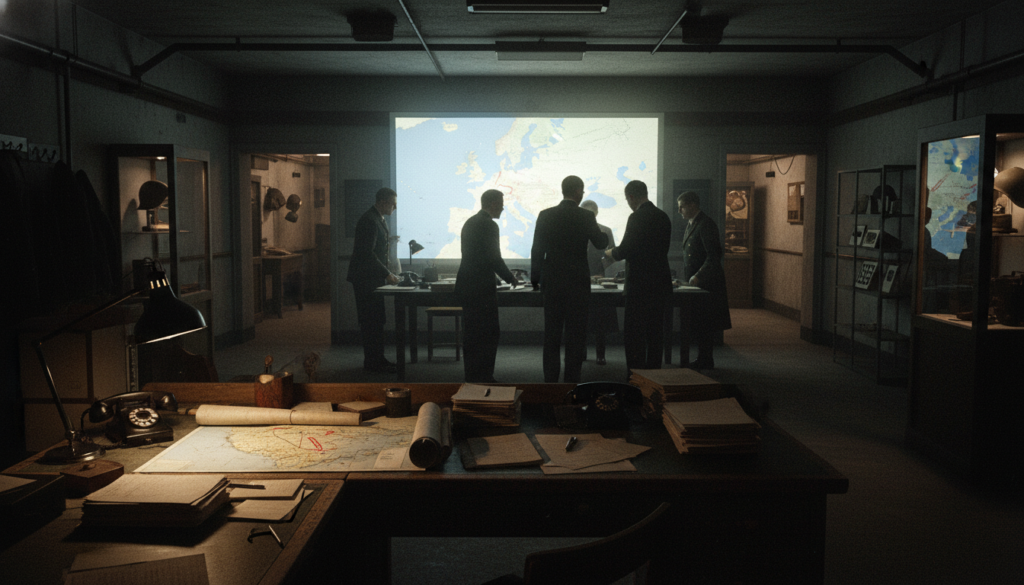
Descend beneath the streets to step into the exact rooms where wartime choices were made.
The churchill war rooms sit near 10 Downing Street and preserve the underground offices used by Winston Churchill and his staff during WWII.
Many rooms remain as they looked at the war’s end: phones, maps, and typed orders frozen in time. That level of preservation makes this one of the most immersive history experiences you’ll find.
The audio guide is essential. It links rooms to people, moments, and decisions—turning quiet corridors into a clear narrative. Expect the guide to pace your visit and deepen every stop.
Practical note: timed entry matters. A typical adult ticket runs about £33; book ahead so your slot fits a Westminster-packed day.
“You feel the scale of decision-making here—human, urgent, and grounded.”
Pair this with a walk to Westminster Abbey or Parliament, then plan a lighter follow-up: tea, a park bench, or a riverside stroll to decompress after an intense visit.
| What you’ll see | Why it matters | Visitor tip |
|---|---|---|
| Map Room & Cabinet Office | Sites of daily strategy and briefings | Use the audio guide for context |
| Preserved offices | Authentic wartime atmosphere | Allow 1–1.5 hours; move steadily |
| Exhibits and personal effects | Human stories behind big decisions | Book a timed ticket in advance |
Best museums to visit (many are free)
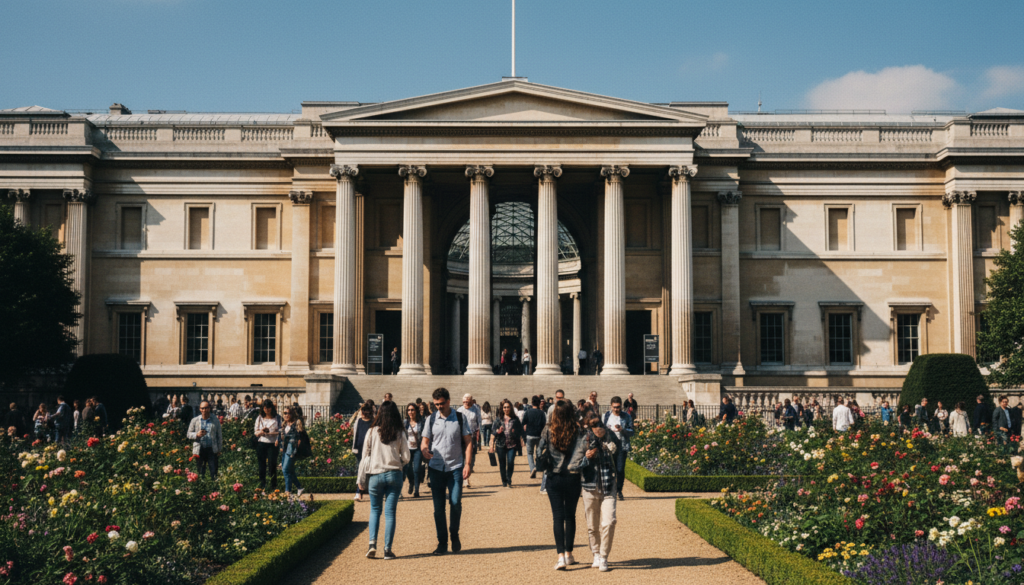
Many of the city’s world-class museums are free, which is a real gift when you’re watching a travel budget. You can see major collections without paying entry fees—plan time, not money.
One museum to prioritize is the British Museum. It houses over 13 million artifacts, including the Rosetta Stone. Book a timed visit online to avoid queues and focus on a few wings rather than trying to do everything.
For classic painting, head to the National Gallery—2,300+ works from the 1200s to the early 1900s. The Natural History Museum is ideal for families: big bones, interactive displays, and dramatic halls (reserve a timeslot on busy days).
The V&A is free and usually doesn’t require prebooking; it’s great for design and decorative art. Tate Modern offers modern and contemporary art plus a rooftop cafe with skyline views—perfect paired with a riverside walk.
“Choose one or two themes—ancient history, classic painting, design, or contemporary art—and you’ll get far more from each visit.”
- Strategy: visit weekdays when possible; weekends fill up.
- Rainy-day tip: museums make excellent recharge stops between outdoor plans.
- Choose by interest: British Museum (ancient history), National Gallery (paintings), V&A (design), Tate Modern (contemporary).
Top Attractions in London you can group in one walkable day
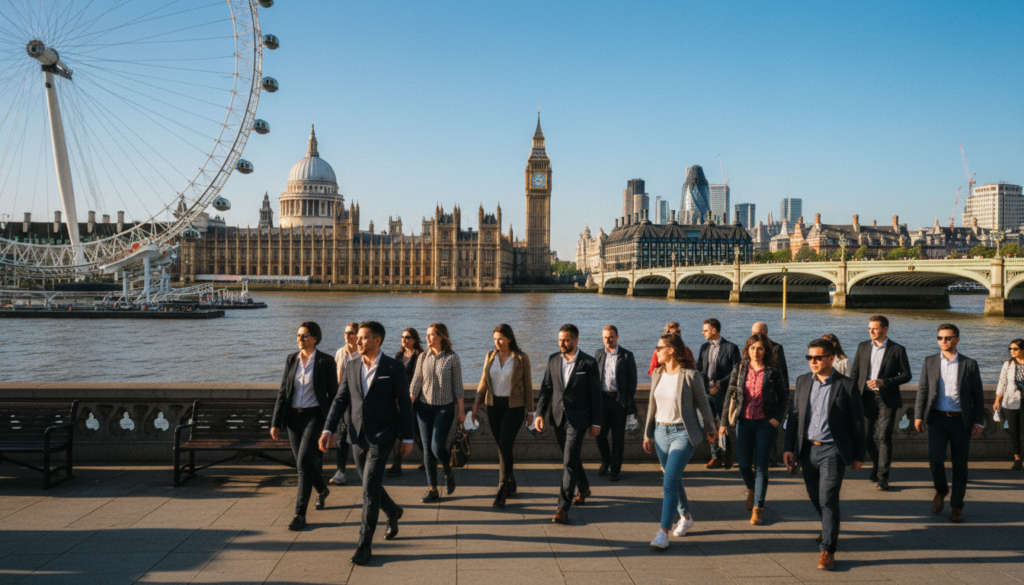
Cluster sights by neighborhood and you’ll cover far more ground without wasting time on transit.
Here are realistic day plans that fit into one energetic day or a relaxed multi‑day trip. Commit to walking and you’ll turn travel time into sightseeing time.
- South Bank + City day: start at the London Eye, stroll the riverside to Tate Modern, cross the Millennium Bridge for St. Paul’s, then reward yourself with lunch at Borough Market.
- Westminster day: visit Westminster Abbey, grab the classic Palace of Westminster/Big Ben photos, then descend to the Churchill War Rooms. End with a park break nearby to decompress.
- East London icons: Tower of London, Tower Bridge Exhibition and riverside photos, then explore a local market or pub to finish the afternoon.
Timing tip: pick two ticketed anchors per day and fill the rest with free walks and flexible stops. That keeps your schedule manageable and fun.
If mobility or time is limited, a hop-on hop-off bus can bridge neighborhoods quickly and save your feet. For deeper context, book one guided walking tour early—then explore solo once you “get” the area.
“Clustered routes turn a frantic trip into a calm, high-value day.”
| Route | Key stops | Why it works |
|---|---|---|
| South Bank + City | London Eye → Tate Modern → Millennium Bridge → St. Paul’s → Borough Market | Continuous riverside walking; mix of views, art, and food |
| Westminster | Westminster Abbey → Palace of Westminster/Big Ben → Churchill War Rooms → St James’s Park | Compact history cluster; easy on-foot pacing |
| East London | Tower of London → Tower Bridge Exhibition → Riverside photos → Local market/pub | Iconic landmarks plus relaxed local stops |
For a 2–3 day trip framework: one heavy history day, one views + museums day, and one neighborhoods/markets day. Use the linked guide for more location ideas: famous sites and planning tips.
Borough Market for the ultimate London food stop
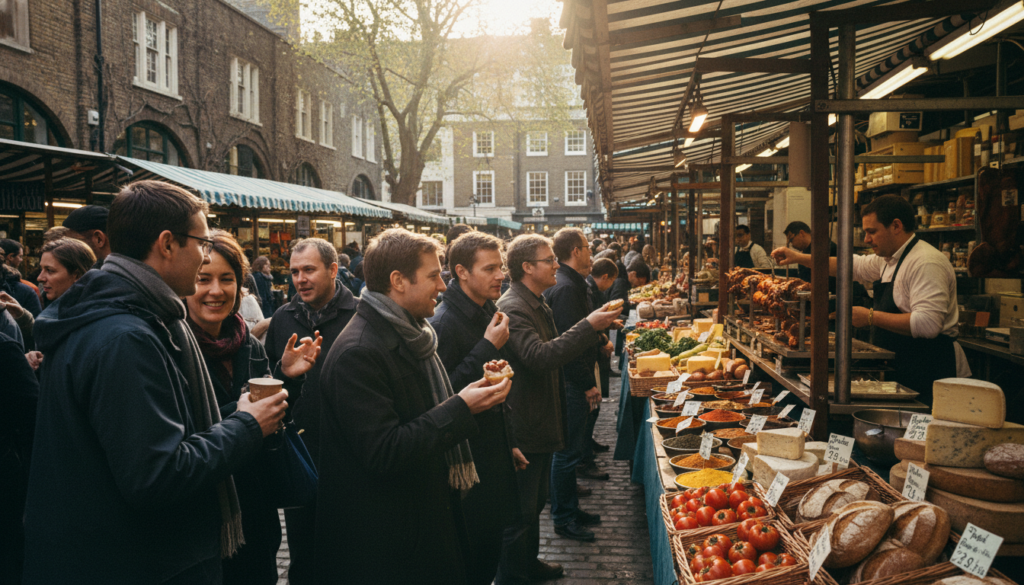
Borough Market is the place to go when you want a fast, delicious taste of the city’s culinary character.
This market has roots back to the 13th century and sits near London Bridge on the South Bank. It opens 10:00–17:00 on weekdays, 09:00–17:00 on Saturday, and 10:00–15:00 on Sunday—note the shorter Sunday time so you don’t arrive late.
Plan for a busy lunch; the stalls pack up at midday. Go earlier for breathing room, or embrace the buzz and expect lines.
- What to eat: The Ginger Pig sausage roll, The Black Pig’s “The Best One” sandwich, and pastries from Bread Ahead.
- Anti-hype note: not every viral snack is worth your queue—focus on items you truly want to try.
- Shareable bites stretch your budget and let you sample more without overspending.
Tip: book a guided food tour if you want curated picks and context; DIY grazing works if you bring a short hit list.
“Even a short visit here can feel like you ‘tasted’ the city.”
| Feature | Why it matters | Visitor tip |
|---|---|---|
| Hours | Weekdays 10–17; Sat 9–17; Sun 10–15 | Arrive before lunch or plan for lines |
| Signature eats | Ginger Pig sausage roll, Black Pig sandwich, Bread Ahead pastries | Share bites to sample more |
| Pairing | Easy to combine with Tate Modern and Millennium Bridge walks | Map a riverside route for a full day |
Camden Town and Camden Market for alternative London vibes
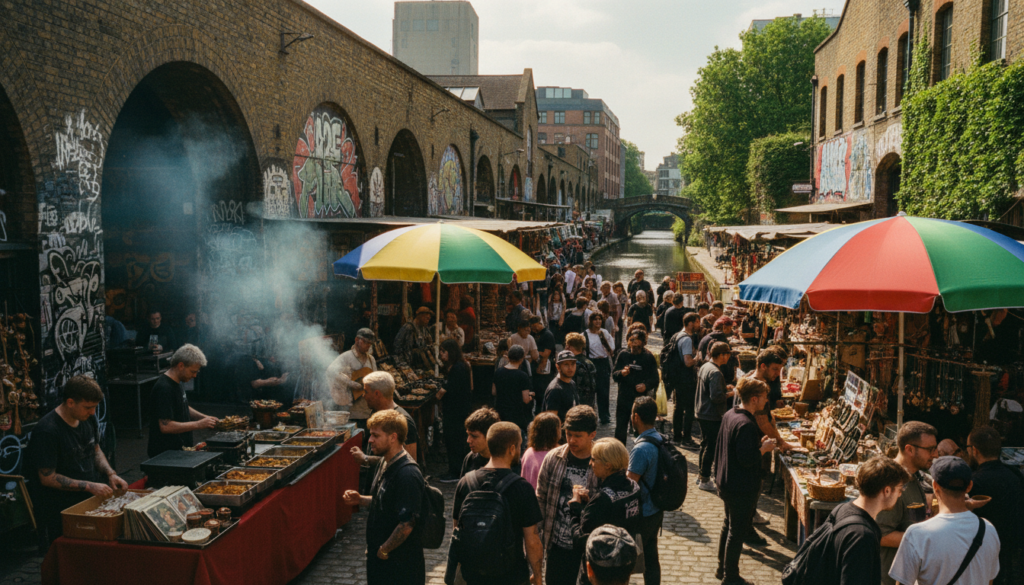
Head to Camden when you want London to sound louder, look stranger, and taste sharper. The neighborhood pulses with music history, street art, and a famously chaotic market scene.
The market offers food stalls, vintage finds, and bold street style. It’s more for browsing than hunting a single perfect souvenir. Expect color, noise, and surprises at every turn.
Best-day tip: weekdays are calmer; weekends bring energy and crowds. Pick your tolerance for shoulder-to-shoulder browsing and plan accordingly.
- Half-day plan: wander the market → walk the Regent’s Canal → climb to Primrose Hill for skyline views.
- Pub stops: finish at The Lock Tavern, The Good Mixer, or The Hawley Arms for true local atmosphere.
- Music roots: the area has deep ties to punk and indie scenes—Amy Winehouse’s legacy adds a modern note.
- Transit: Camden Town is easy by Tube, so it’s a high-reward detour even on a short itinerary.
“Camden feels like the city’s creative spillover—messy, musical, and totally alive.”
Notting Hill and Portobello Road Market for colorful streets and antiques
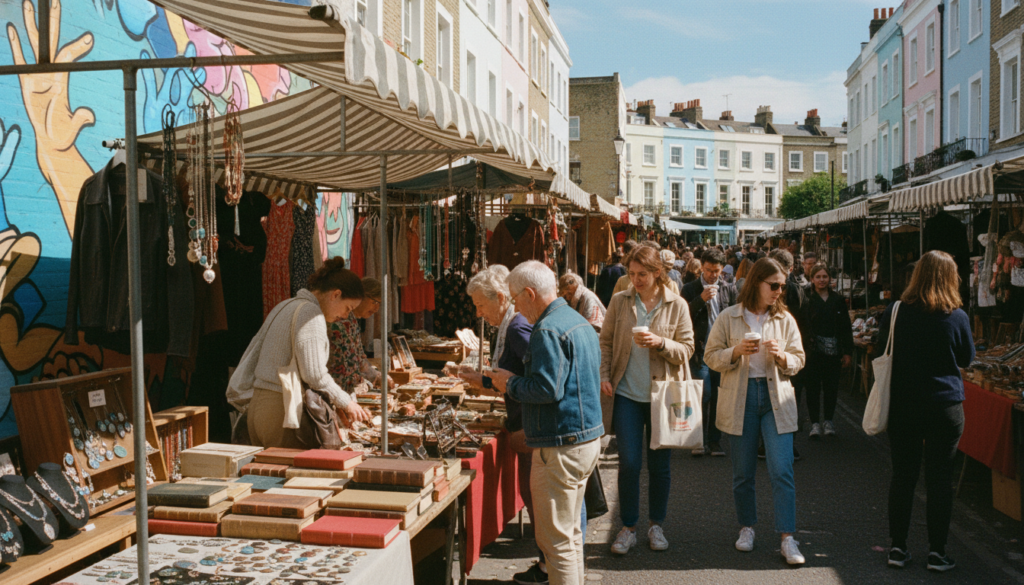
Turn a stroll into a small adventure: colorful terraces, quirky shopfronts, and that movie‑set charm make Notting Hill an easy win for relaxed wandering.
Portobello Road Market peaks on Saturday. Come for antiques, vintage clothing, and a lively browse culture. Expect crowds, bargaining energy, and stalls that reward slow walking.
Photo strategy: go early for quiet streets and softer light, shoot the painted houses, then let the crowd scenes feed your frame as the market ramps up.
Respect the neighborhood. This is a residential area—step back from doorways, honor no‑photo signs, and keep noise low while you shoot or shop.
If you want contrast, pair your stroll with a walk near kensington palace for a more polished palace backdrop. You don’t need to buy an antique to take the mood home: browsing is the point.
Plan one sit‑down coffee or snack mid‑visit so the day feels deliberate, not rushed.
“Bright streets, slow browsing, and a great excuse to linger.”
Jack the Ripper walking tour in Whitechapel for true-crime history
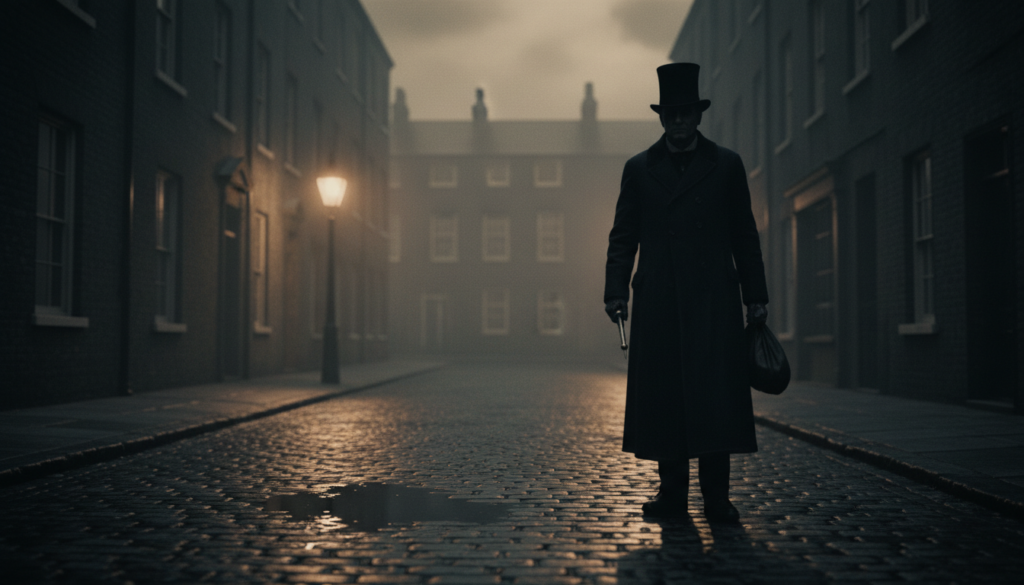
This is a dark slice of city past, and the best jack ripper walks treat victims with care while giving clear context about the East End.
You’ll follow narrow streets and stop near sites linked to the 1888 case. Guides mix archival detail, social history, and eyewitness-era color to explain what happened and why it mattered.
Options vary: night walking tour for atmosphere (candles, shadows, Ripper‑Vision projections) or daytime for a less intense, clearer view. Choose based on your comfort and travel companions.
Expect a steady pace and about £16–£25 for most tours. Wear comfortable shoes and bring a jacket—the streets can be chilly after dark.
- Pick a company that values accuracy over gimmicks if you follow true‑crime podcasts.
- Pair the walk with East End street art and food earlier in the day to see the neighborhood’s fuller story.
- If this topic unsettles you, skip it—there are plenty of alternatives and you won’t miss the city by opting out.
“The best tours turn a cold case into a humane look at people who lived and suffered in that place.”
Hop-on hop-off bus tours to cover central London fast
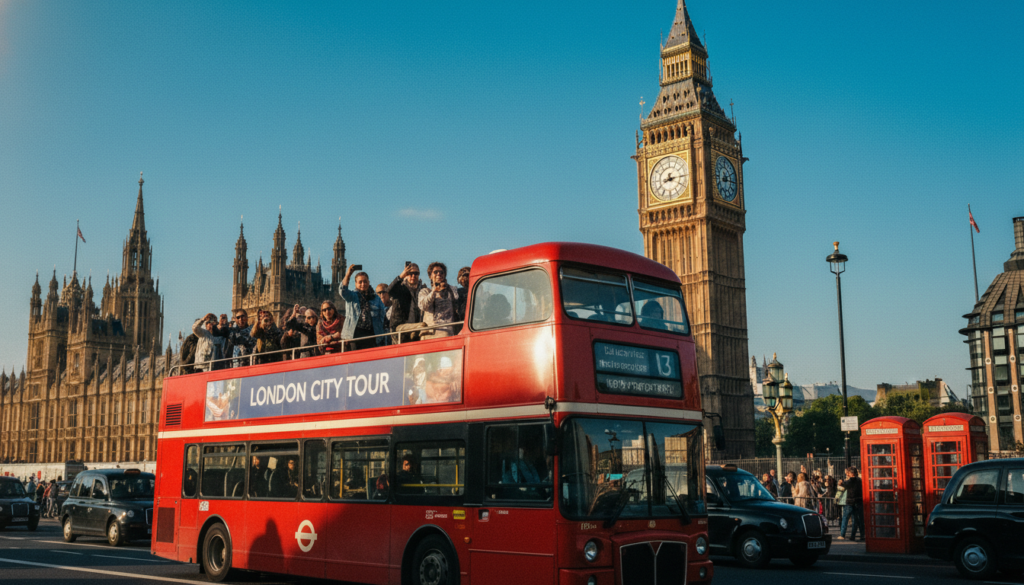
If you’re short on days, a hop-on hop-off bus can turn scattered stops into a smooth orientation. Ride a full loop first to learn the layout, then use the bus as convenient transport between the sights you care about most.
Why try it: the double-decker bus passes Westminster icons, royal areas, major bridges, the Tower, and the Eye—great for first-time visitors who want a fast highlight reel.
Use it smartly: don’t spend the whole day parked on the top deck. Treat the bus like both a tour and a connector: hop off for two or three key stops, then hop back on to bridge clusters.
- Ticket choices: compare 24-hour vs 48-hour options and book tickets ahead when deals pop up.
- Time-and-money guardrail: balance ride time with walking to avoid traffic delays and wasted money.
- Families: buses double as a rest break between heavy walking segments.
“Start with a full loop, then make a short list of must-see stops.”
Boat trips on the Thames for a calmer way to see the city
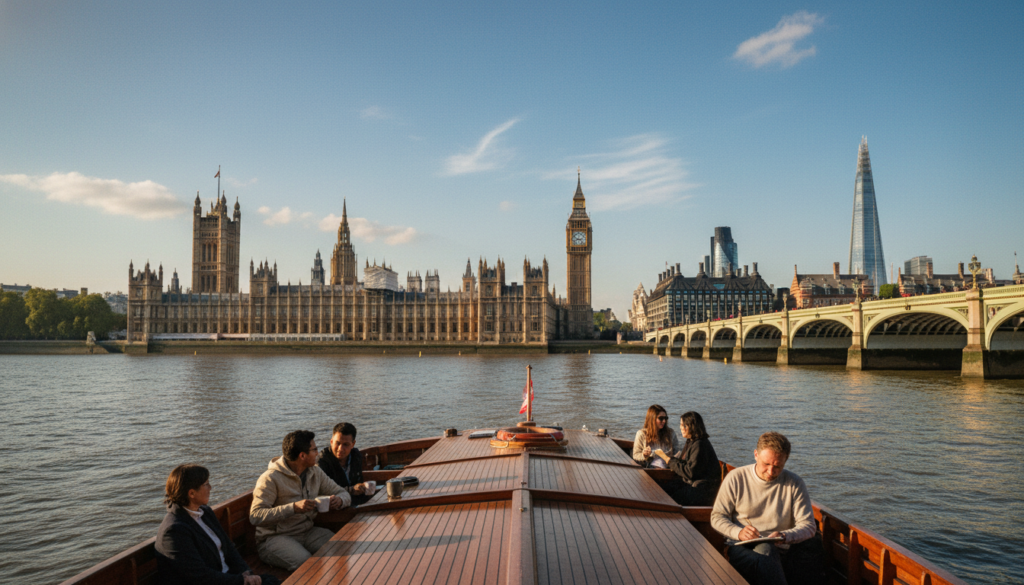
Seeing the city from the water makes familiar sights feel new—and much quieter.
Think of a Thames boat trip as a reset button: you still pass major landmarks, but your feet get a break and the pace slows.
Most services board near the London Eye and Westminster. A simple route follows the river toward the Tower area; some boats continue on to Greenwich for a longer trip.
Practical tip: use the boat as transit between neighborhoods rather than a round-trip novelty. That saves walking time and adds variety.
- Prebook tickets in peak season and pick a departure that links to your next timed-entry attraction.
- Sit outside for clearer photos when the weather allows; bring a light layer—it can feel cooler on the water.
- Pair ideas: Eye + cruise, Tower of London + cruise, or market lunch + an afternoon boat.
- Family note: boat rides suit all ages and often win unanimous approval in mixed groups.
“A gentle river ride is both transport and sightseeing—easy, scenic, and restorative.”
| Route | Duration | Best use |
|---|---|---|
| Westminster → Tower | 30–50 minutes | Sightseeing + quick transfer |
| Westminster → Greenwich | 60–90 minutes | Longer scenic trip; explore Greenwich |
| Hop-on/hop-off river services | Varies by day ticket | Flexible neighborhood travel |
For planning and seasonal timing ideas, see a helpful cruise guide: best times for a Thames river.
Classic London experiences beyond sights: afternoon tea and the West End
Pairing a leisurely tea with a night at the theater gives you a true taste of local life.
Afternoon tea comes at many price points and moods: tidy hotel service, playful themed menus, or riverside views that feel like a small event.
Real examples: Swan at Shakespeare’s Globe (~£42), The Ampersand’s science tea (~£60 adults / ~£40 kids), and The Lanesborough (~£89) when you want a splurge.
Value note: yes, it costs money, but this is a slow, restorative break in a busy day. It’s a place to sit, savor, and reset—worth the outlay for many travelers.
West End musicals sell out fast. Buy tickets early for big shows. If you’re flexible, hunt last‑minute deals or day‑of tickets at reputable sellers.
“Put tea in the afternoon and a show at night—that simple arc saves energy and feels completely right.”
- Expand your idea of attractions: doing matters as much as seeing.
- Pick a tea style that fits your budget and mood.
- Book your tickets ahead when one must-see show is on your list.
If you tried this years ago and didn’t love it, try a different format this time—London’s variety often surprises even repeat visitors.
Conclusion
Wrap your trip with a few smart choices and you’ll leave feeling you really saw the city—not that you raced it.
Pick a short list of must-do things: one skyline view (the London Eye), one deep-history stop (Tower of London), one major church (Westminster Abbey or St. Paul’s), one immersive museum-style visit (Churchill War Rooms), and a market (Borough Market).
Book timed tickets and popular tours early—that simple step saves time and stress and keeps your day on track.
Plan a 2–3 day arc: Day 1 Westminster cluster, Day 2 Tower/South Bank, Day 3 neighborhoods and markets. Leave room for wandering—people, pubs, and riverside detours make the best surprises.
Check opening hours the night before, confirm transit, and keep your must-do list tight so you can actually enjoy the visit.
FAQ
What are the best ways to see central London if you have one day?
You can group major sights into a single walkable day by focusing on a compact route: start at Westminster Abbey and the Houses of Parliament, walk along the Thames to the London Eye, cross to visit the Tate Modern and St. Paul’s Cathedral, then continue east to Tower Bridge and the Tower of London. Add a short boat trip on the Thames or a hop-on hop-off bus to save time between distant spots. Book timed-entry tickets (especially for St. Paul’s dome climb and the Crown Jewels) to avoid long queues.
How do I buy tickets for the Churchill War Rooms, the Tower of London, and other museums?
Most popular sites sell timed-entry tickets online—book directly on official museum or Historic Royal Palaces sites to secure your slot and often get a small discount. The British Museum, Tate Modern, and many galleries offer free general admission but require advance booking for special exhibitions. For combos, check trusted tour operators who bundle Churchill War Rooms with a walking tour or Borough Market stop.
Are museums like the British Museum and the Tate Modern free to enter?
Yes—general admission at the British Museum, Tate Modern, and several other major museums is free. Special exhibitions and timed-entry displays usually carry a fee. Free museums are perfect for budget travelers, photographers, and families; just reserve free tickets online to guarantee entry during busy periods.
What should I expect on a Jack the Ripper walking tour in Whitechapel?
Expect a guided, often after-dark walk that covers Whitechapel’s Victorian streets, crime scenes, and real historical context—not sensationalized fiction. Tours vary in length and tone: some are strictly historical, others lean into dramatic storytelling. Bring comfortable shoes and a rain jacket; many tours finish near Tower Hill or Spitalfields so you can continue exploring markets or pubs.
Is the Tower Bridge Exhibition suitable for families and photographers?
Yes. The exhibition offers panoramic views and a glass-floor walkway that delight photographers and kids alike. Interactive displays explain the bridge’s engineering and history. Buy prebooked tickets for peak times and arrive early for classic, crowd-free photos of the Thames and the Tower of London.
Can I combine Borough Market with nearby sights on the same visit?
Definitely. Borough Market sits near London Bridge, so you can combine it with a walk along the South Bank, a visit to the Tate Modern, or a short hop to the Tower of London. It’s ideal for a midday food stop—sample British cheeses, international street food, and artisan baked goods—then continue your walking tour refreshed and fueled.
What accessibility considerations should I know for historic sites like Westminster Abbey and St. Paul’s Cathedral?
Many central attractions provide step-free access, lifts, and hearing loops, but older sites have limitations due to heritage constraints. Westminster Abbey and St. Paul’s offer accessibility information online, including alternate routes past staircases. Contact venues in advance for assistance, and consider a guided tour that can accommodate mobility needs.
How long does it take to tour the Churchill War Rooms?
Plan about 1.5 to 2 hours for the Churchill War Rooms and the attached Churchill Museum. The bunker is compact but packed with original rooms, exhibits, and audio content. Combine it with nearby Westminster sights or a river cruise to make the most of your day.
Are audio guides or guided tours recommended for the Tower of London and Westminster Abbey?
Yes—both benefit from expert commentary. The Tower’s Beefeater tours (Yeoman Warders) are free with admission and rich in stories about the Crown Jewels, executions, and royal history. Westminster Abbey offers guided options and audio guides to explain royal ceremonies, tombs, and architecture in context.
What are good transport options to move between neighborhoods like Camden, Notting Hill, and the South Bank?
The Tube (London Underground) is fastest for longer hops—Camden Town (Northern Line) and Notting Hill Gate (Central/Circle/District) connect well. Buses and river boats offer scenic alternatives: boat trips on the Thames link the South Bank with the Tower and Westminster, while hop-on hop-off buses let you cover central London quickly and comfortably.
Where can I find classic British experiences like afternoon tea and West End shows?
Afternoon tea is widely available—from luxury hotels near Kensington and Mayfair to cozy cafés in Covent Garden. Reserve in advance for popular venues. For the West End, book theatre tickets online or visit the TKTS booth in Leicester Square for same-day deals. Pair a show with dinner in Soho or a pre-show walk through Trafalgar Square.
Is it safe to visit markets like Camden and Portobello Road, and are they open every day?
Both markets are generally safe and well-patrolled; standard precautions apply—watch your belongings in crowded areas. Camden Market is lively most days; Portobello Road Market peaks on Saturdays with antiques and colorful street scenes. Check opening hours before you go—some stalls open only on weekends.
How much time should I allow for viewing the Crown Jewels at the Tower of London?
Allocate at least 45 minutes to an hour for the Crown Jewels display—more during peak season. Queueing and security checks can add time, so book early time slots when possible. Combine this with a Beefeater tour to enrich the visit with historical anecdotes.
Can I visit the St. Paul’s Cathedral dome and crypt with a single ticket?
Yes, general admission typically includes access to the cathedral floor, crypt, and the dome climb (subject to temporary closures). The dome climb is strenuous—use the internal routing and rest points; check for closures during services and concerts before you go.
Are hop-on hop-off bus tours worth it for first-time visitors?
They’re a great orientation tool—efficient for covering central sights like Buckingham Palace, the British Museum, and the Tower. Choose a route with frequent departures and free walking tours or river-boat add-ons. They save time when your schedule is tight and are family-friendly.
What should photographers know about taking photos on Thames boat trips and at the South Bank?
Boat trips offer unique, unobstructed perspectives of the city—aim for golden hour for the best light. On busy piers and bridges, use a small, secure strap and be mindful of reflections when shooting through windows. The South Bank provides dynamic backdrops: street performers, the London Eye, and skyline silhouettes.