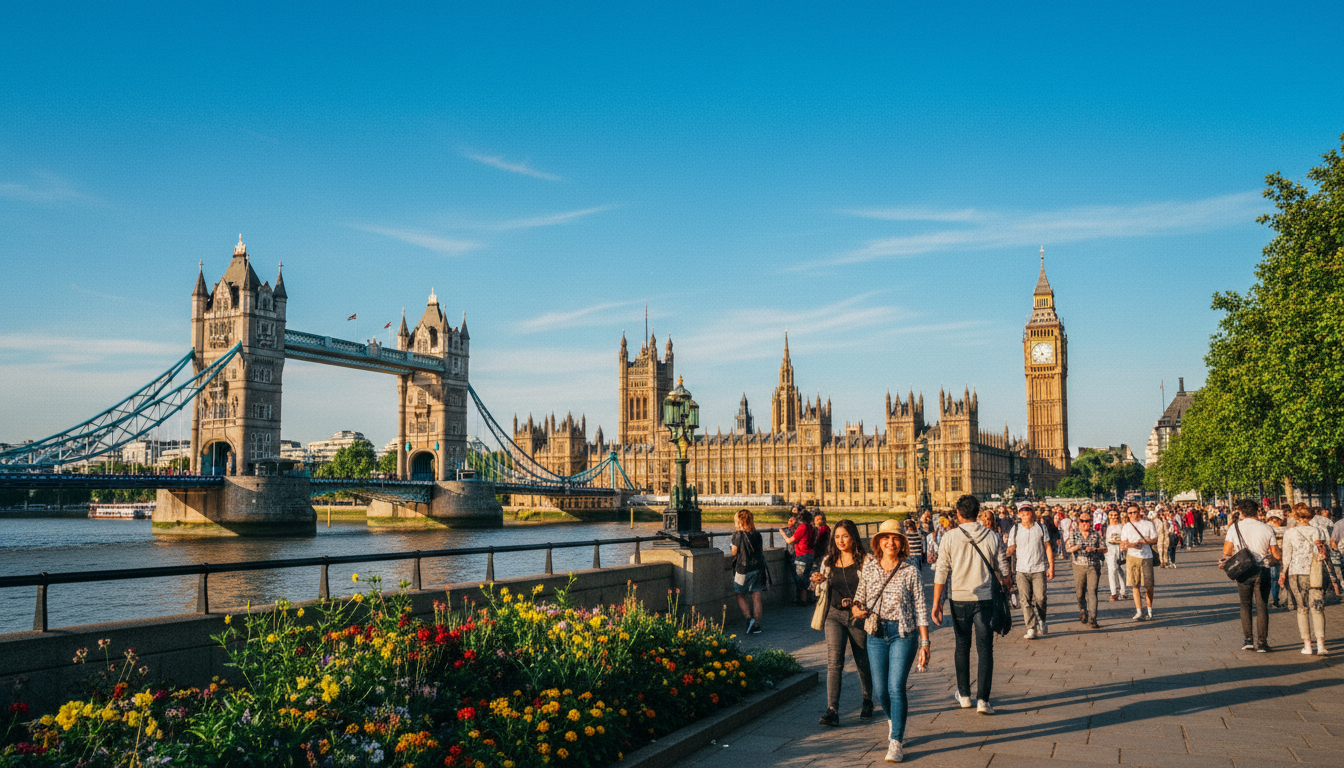
Curious which handful of iconic stops will make your first visit truly unforgettable? This practical guide points you straight to the highlights that are worth your time: royal sites, skyline views, world-class museums, and classic experiences like afternoon tea.
Think of the city as compact and wildly varied—medieval castles and modern towers sit side-by-side—so you can score big bucket-list moments without trying to do everything. We’ll show what to prioritize, which spots need advance reservations, and how to skip long lines.
Expect a balanced mix: history, viewpoints, museums, markets, parks, and a few uniquely local tours. You’ll also get transit-friendly tips and realistic pacing if your trip is just a few days long.
Key Takeaways
- Clear neighborhood context: Central London vs. East End for planning.
- Reserve must-see sites early—Tower of London and Westminster top the list.
- Mix free museums with ticketed sights to save money and time.
- Allow realistic hours per stop; avoid overpacking your days.
- Options for families, photographers, budget travelers, and relaxed itineraries.
Best attractions in london at a glance for first-time visitors
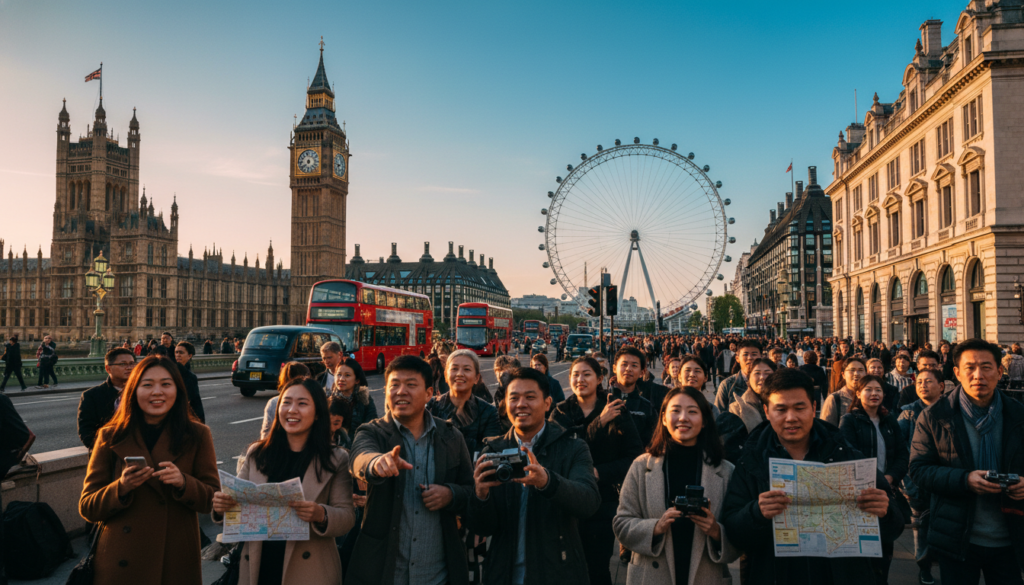
If you have just a handful of days, focus on a tight list that shows the city’s highlights without wearing you out.
Quick plan: For 2–3 full days, pick one major museum, one standout church (Westminster Abbey or St. Paul’s), a royal palace moment, and one skyline viewpoint. That mix gives you history, art, and views without frantic rushing.
- Pacing note: Aim for 1–2 anchor sites per day and use afternoons for parks, markets, or a short river walk.
- Cluster smart: Put nearby sites together—central london has many close options, so you spend more hours exploring and less time crossing town.
- Booking tips: Prebook timed entry for popular sites, book early-morning tours to beat lines, and reserve free slots (Sky Garden) when possible.
- Transport option: Hop-on hop-off buses are good for orientation and limited mobility; the Tube is faster if you want efficiency.
Remember: London rewards slower travel—neighborhood walks and pub stops are part of the experience, so build in breaks and enjoy the moments that are truly worth time.
Tower of London and the Crown Jewels
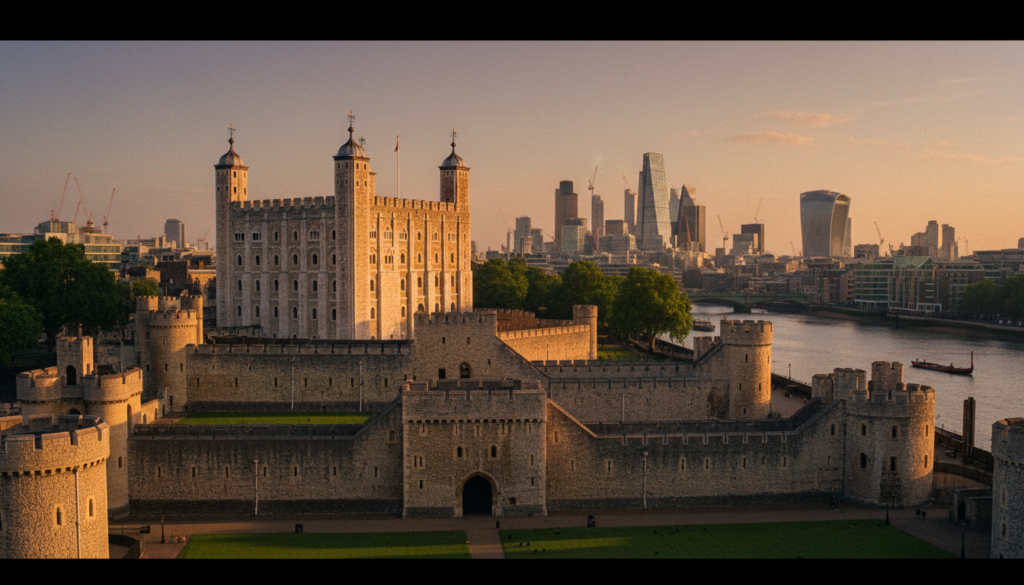
Step through its gate and you’re face-to-face with nearly a thousand years of power, intrigue, and royal pageantry. The tower london dates to 1066; William the Conqueror built the White Tower in 1078. This is the place where English history feels immediate.
You can join a Yeomen Warder tour for lively storytelling, view the Crown Jewels, visit the White Tower and Bloody Tower, and see the Chapel Royal of St Peter ad Vincula—linked to Anne Boleyn’s burial.
Plan at least two hours here; lovers of armor and medieval drama should add extra time. Average tickets run about £35. Early-access tour options include the Opening Ceremony and a quieter Crown Jewels visit.
“Prebook tickets and aim for early entry—crowds form by midmorning.”
Family tip: the fortress vibe, raven lore, and guard stories keep kids engaged. The tower london pairs perfectly with Tower Bridge next door for a high-impact half-day.
| Option | Typical Cost | Recommended hours |
|---|---|---|
| Standard entry | About £35 | 2–3 hours |
| Early-access tour | Higher (varies) | 2–3 hours (less crowd time) |
| Family-friendly visit | Standard ticket | 2.5–4 hours (with kids) |
Tower Bridge Exhibition for iconic views over the Thames
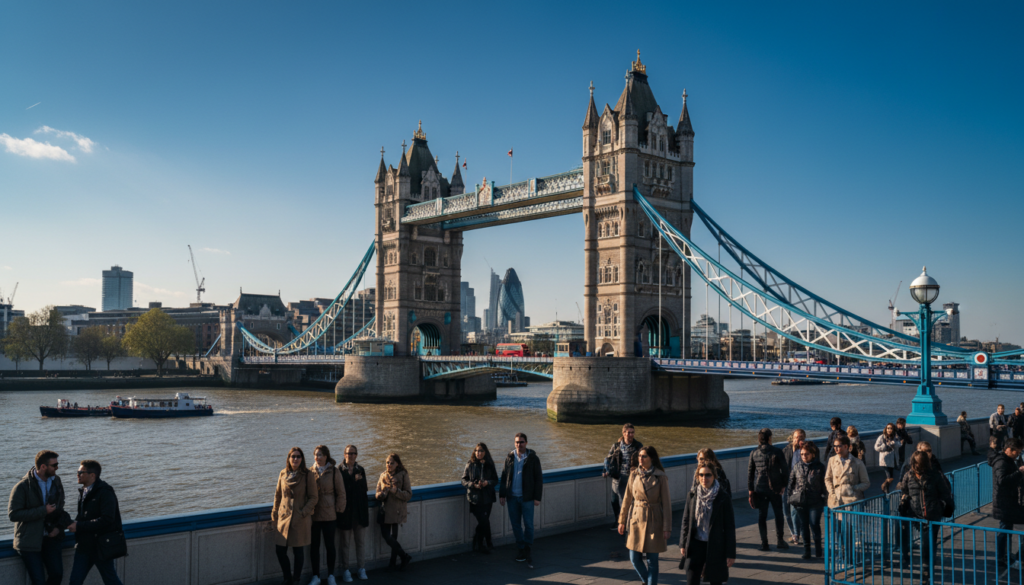
More than a photo op, Tower Bridge offers towers, engines, and glass walkways that reward a short stop. Built between 1886 and 1894, this landmark still handles roughly 40,000 crossings a day.
The Exhibition packs museum spaces into both towers, high-level glass-floor skywalks with dramatic views, and the original Victorian engine rooms. The glass-floor sections are the signature moment—you can look straight down at traffic and the tiny taxis below.
Why go? You get high-level perspectives over the Thames that photographers love. It’s a visual, active experience—more museum-lite than a long gallery visit.
Practical notes: Tickets run about £16. Book a timed entry when you can and plan it as a tight add-on to the Tower of London for an efficient afternoon.
- Clear up the confusion: yes, Tower Bridge is the iconic one most people picture—so it’s worth more than a quick snap.
- Accessibility: large views are available without a strenuous climb, making it a good place for many visitors.
- Mini-itinerary tip: do the Tower of London first, then cross to Tower Bridge for sunset photos.
“Book a timed slot when possible—crowds are lighter at opening and late afternoon.”
| Feature | What to expect | Typical cost |
|---|---|---|
| Tower exhibitions | Museum rooms in both towers | Included with tickets |
| Skywalks | Glass-floor views over the road and river | Included with tickets |
| Engine rooms | Victorian machinery and history displays | Included with tickets |
Westminster Abbey, London’s most famous church
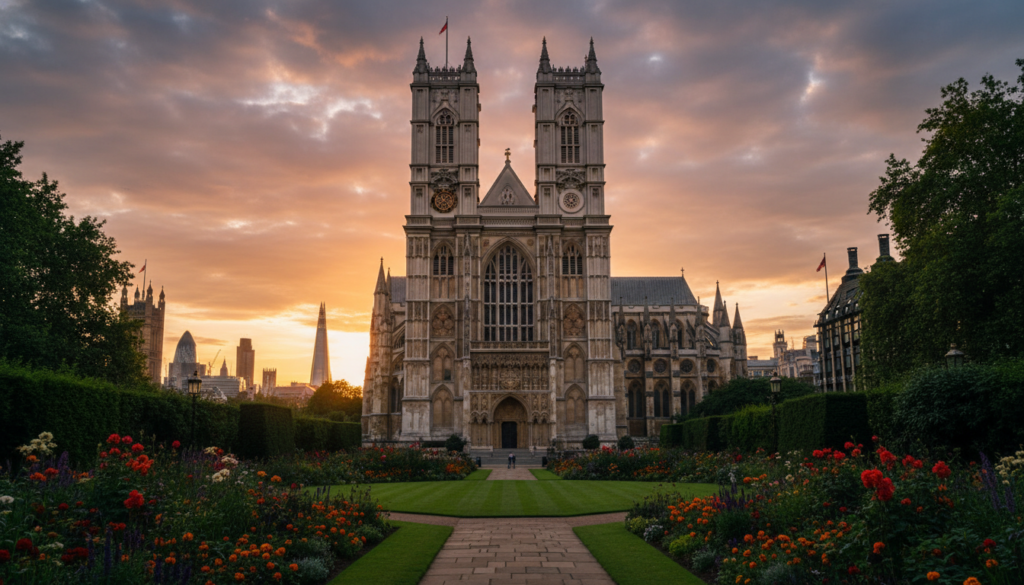
Walk through a building that has hosted crowning moments since 1066 and holds centuries of personal stories.
Westminster Abbey is a UNESCO World Heritage site and the place where kings and queens are crowned. The space collects royal ceremony, national memory, and everyday grief in one remarkable place.
The interior feels both vast and intimate as you pass tombs, small chapels, and memorials. Key stops: Poet’s Corner, the Henry VII Lady Chapel, and graves of figures such as Queen Elizabeth I, Charles Darwin, Isaac Newton, and Charles Dickens.
Plan at least 1.5 hours here. If you’re short on time, use an audio guide to move faster. Timed tickets run around £30, so book ahead to avoid waiting and secure your preferred slot.
“Pick a few places to linger—Lady Chapel and royal tombs—and let the rest be a calm wander.”
How to enjoy it: choose a couple of highlights to study, then stroll toward Parliament and Big Ben for classic views along the river. Photos are allowed without flash, so you can capture details without worry.
| Feature | What to expect | Suggested time |
|---|---|---|
| Coronation history | Site of coronations since 1066; strong royal presence | 15–30 minutes |
| Memorials & tombs | Poet’s Corner, Elizabeth I, Darwin, Newton, Dickens | 30–45 minutes |
| Henry VII Lady Chapel | Ornate chapel and a place to linger | 15–20 minutes |
| Logistics | Timed tickets (~£30), photos allowed (no flash) | Variable—book ahead |
St. Paul’s Cathedral and climbing the dome
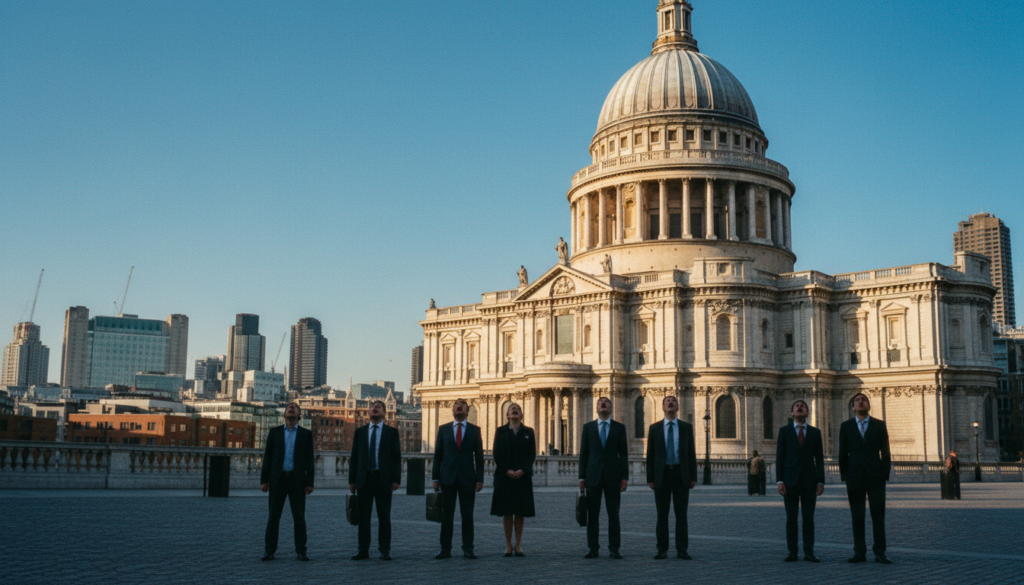
Climb the dome at St. Paul’s for a viewpoint you’ll literally earn — and a design story that dates to the Great Fire.
Sir Christopher Wren rebuilt this place after the Great Fire of 1666. The dome soars 365 feet and kept its silhouette through the WWII Blitz. It also hosted the 1981 wedding of Prince Charles and Lady Diana Spencer.
The full visit includes the nave, the crypt with major historical burials, and the famous dome climb: 530 steps to the top. Wear comfy shoes and allow breathing room in your schedule.
- Time plan: budget about two hours for interior, crypt, and climb without rushing.
- Tickets: sightseeing entry is roughly £26; attending a service is free for a quieter experience.
- Why go: this place offers architecture, layered history, and a city view you earn by effort.
“You don’t just look at the city—you earn the view.”
| Feature | What to expect | Typical hours |
|---|---|---|
| Interior & nave | Wren architecture and art | Allow 45–60 minutes |
| Crypt | Burials and memorials | 20–30 minutes |
| Dome climb | 530 steps, panoramic views | 30–45 minutes (depends on pace) |
London museums that are actually worth your time
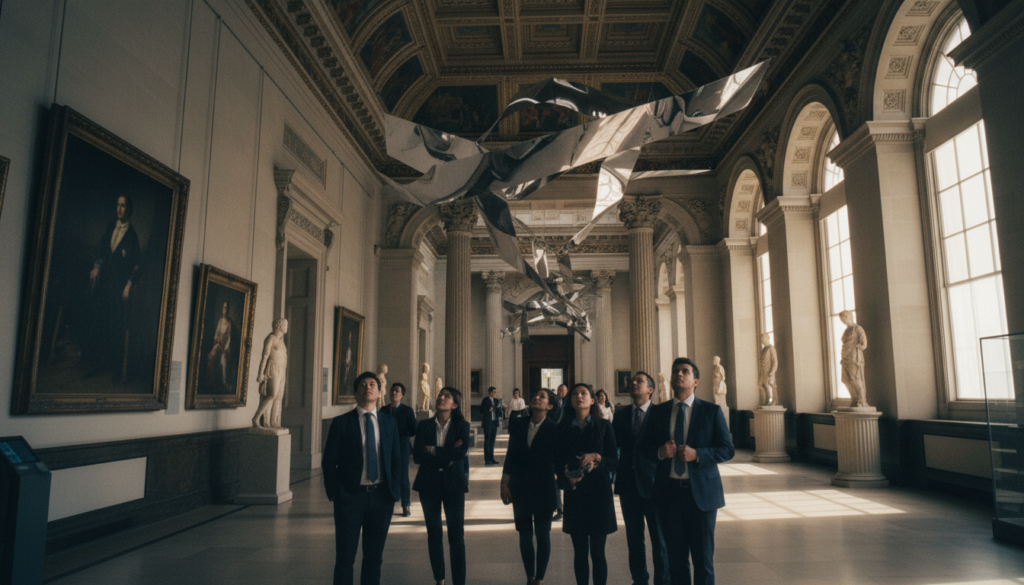
Pick one museum that fits your curiosity—London’s collection is huge, but you don’t need to do five to have a memorable day.
Free heavy-hitters: the British Museum (13+ million artifacts; book a visit time), the National Gallery (2,300+ works; book when you can), Natural History Museum (dinosaur halls; timed slots recommended), the V&A (design and fashion; no booking usually), and Tate Modern (modern art plus skyline views from the Blavatnik terrace).
Weekends are busiest; plan weekday visits for a calmer pace. Many free museums still ask you to reserve a slot—do it so you’re not turned away at the door.
If you like immersive history: the Churchill War Rooms are a paid standout. The preserved underground offices, wartime exhibits, and an audio guide make the experience feel immediate. Adult timed tickets are about £33.
“Set a timer for three highlights, then leave while you still have energy—museum fatigue is real.”
Practical picks: Tate Modern doubles as art plus a free skyline stop if you want photos without a pricey viewpoint. Pair any museum visit with a nearby market or café to keep the day balanced.
| Museum | Why go | Booking |
|---|---|---|
| British Museum | Ancient artifacts across world cultures | Recommend reserved time |
| Tate Modern | Modern art + Blavatnik terrace views | Free entry; terrace access may require time |
| Churchill War Rooms | Immersive WWII headquarters and audio guide | Timed, paid tickets (~£33) |
For a quick planner and more picks, see this guide to top museums—it helps you match your interests to the right stop.
London Eye and other top viewpoints
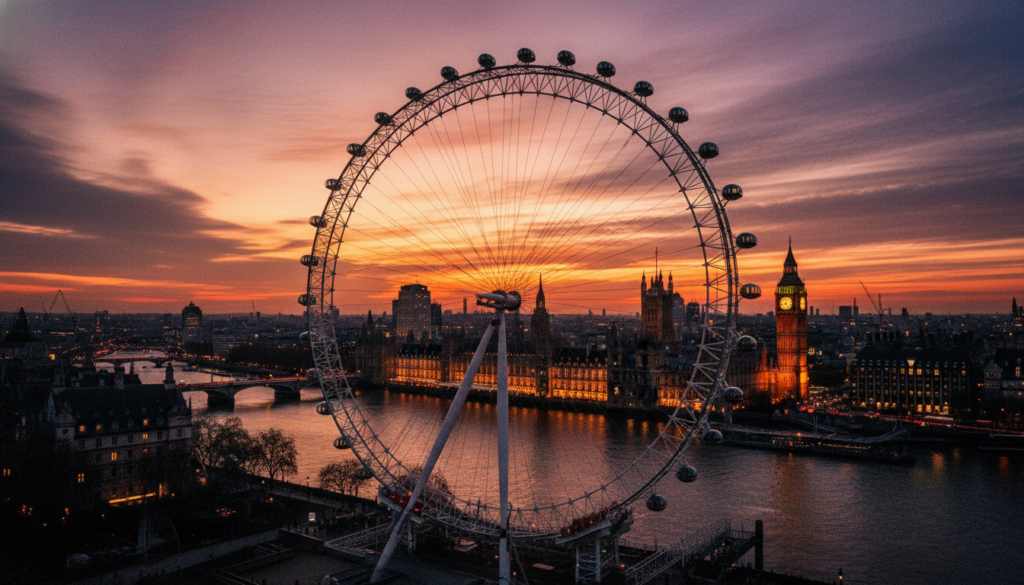
A single rotation on the london eye can turn confusing streets into a simple skyline checklist. The glass capsules give a 360° panorama that helps you place key landmarks and plan where to go next.
Expect lines during peak season; upgraded tickets and the champagne experience cut wait time and add a hosted ride. If crowds bother you, those small premiums can save serious time.
Alternatives: Sky Garden is a free option (reserve ahead) and offers an indoor garden plus sweeping glass views. Book slots as soon as they open and keep a flexible time window.
- Why go: the Eye is a moving panoramic tour; Sky Garden is a photo-forward, stationary stop.
- Practical tip: aim for golden hour—the Thames looks exceptional even on overcast days.
- Expectation: the bar can be secondary; treat the view as the main draw.
“Choose the ride if you want motion; choose Sky Garden for a free, leafy skyline stop.”
| Viewpoint | What you get | Typical cost/booking |
|---|---|---|
| London Eye | Glass capsules, moving panorama, timed slots | Paid; upgrades reduce wait |
| Sky Garden | Indoor garden, glass terraces, photo spots | Free with reservation |
| Other high viewpoints | Various city vistas from towers and terraces | Varies; book as needed |
Afternoon tea in London you’ll remember
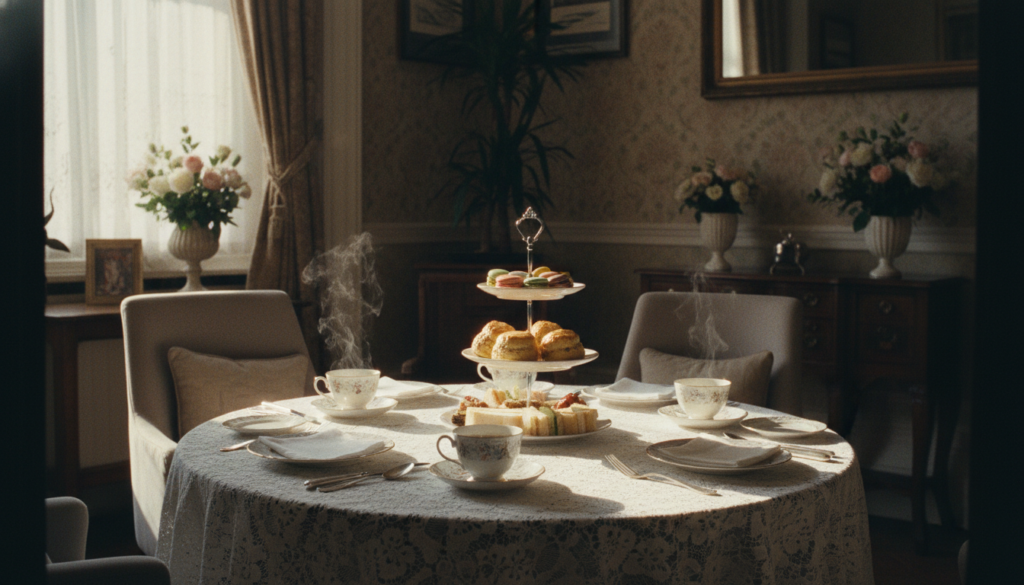
Afternoon tea is a travel pause that feels like a small celebration—perfect after a busy morning of sightseeing.
Where to go: Swan at Shakespeare’s Globe (from ~£42, Thames views), The Ampersand’s science-themed tea (≈£60 adults, £40 kids, dry-ice fun), The Lanesborough (from ~£89, conservatory setting), and Fortnum & Mason (classic service; generous portions).
Pick a style: classic and iconic, view-forward, playful themed, or ultra-luxe. Each option offers a different mood and menu.
- Book ahead—weekends and prime slots fill fast.
- Budget note: tea can replace lunch and dessert; cost reflects the experience.
- Who it fits: couples, families, multigenerational groups, or solo travelers who want a gentle pause.
How to do it right: arrive a bit hungry, pace small bites, and ask about refills if included. Schedule tea after morning landmarks for an ideal reset.
“Tea is your permission slip to sit, people-watch, and make the trip feel celebratory.”
| Venue | Style | Approx. start price |
|---|---|---|
| Swan at Shakespeare’s Globe | View-forward, casual elegance | ~£42 |
| The Ampersand | Playful, themed (kids welcome) | ~£60 (adults) |
| The Lanesborough | Ultra-luxe, formal setting | ~£89 |
| Fortnum & Mason | Traditional, iconic service | ~£60–£75 |
Royal parks and gardens for a London reset
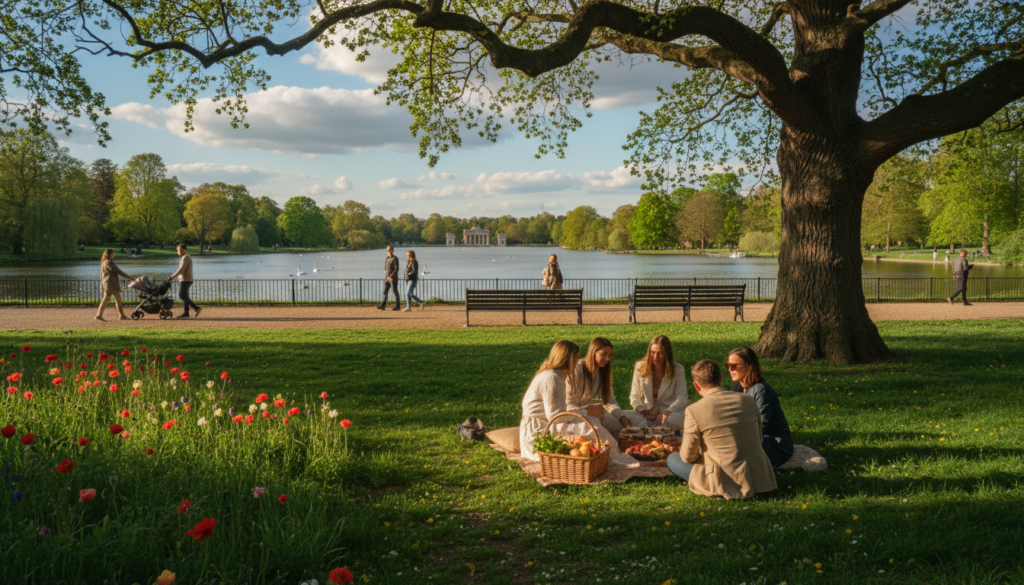
When city noise piles up, a green pause can reset your day and your mood.
Hyde Park is the go-to: wide lawns, the Serpentine, and local life—dog walks, picnics, slow afternoons. It links directly to Kensington Gardens, Green Park, and St. James’s Park, so you can string a scenic route toward royal sites.
If you want a quieter stroll, try Regent’s Park for formal gardens and fewer tourist crowds. For something wilder, head to Richmond Park—you may spot free-roaming deer while still inside the city limits.
Kew Gardens is paid and UNESCO-listed: go for curated plant collections and dramatic glasshouses if you have the time. For a true royal escape on a separate day, plan a visit to Hampton Court Palace or combine a palace tour with nearby gardens at Hampton Court.
“A 30-minute park detour can save the whole day—use parks as planned pauses.”
- String parks together: Hyde Park → Kensington Gardens → Green Park → St. James’s Park for a scenic walk toward royal landmarks.
- Schedule parks between ticketed stops to recharge and keep energy steady.
- Mix a market visit and a short park sit to experience both local food and calm green space.
| Park/Garden | Why go | Cost | Good for |
|---|---|---|---|
| Hyde Park | Big lawns, Serpentine, central connector | Free | People-watching, short rests |
| Regent’s Park | Quiet strolls, formal gardens | Free | Photography, calm walks |
| Richmond Park | Wildlife—free-roaming deer | Free | Nature-focused day trips |
| Kew Gardens | UNESCO botanic collections, glasshouses | Paid (timed tickets) | Plant lovers, detailed exploration |
| Hampton Court Palace | Palace gardens and a royal day trip | Paid | History + garden combined visits |
Markets and neighborhoods for food, shopping, and local energy
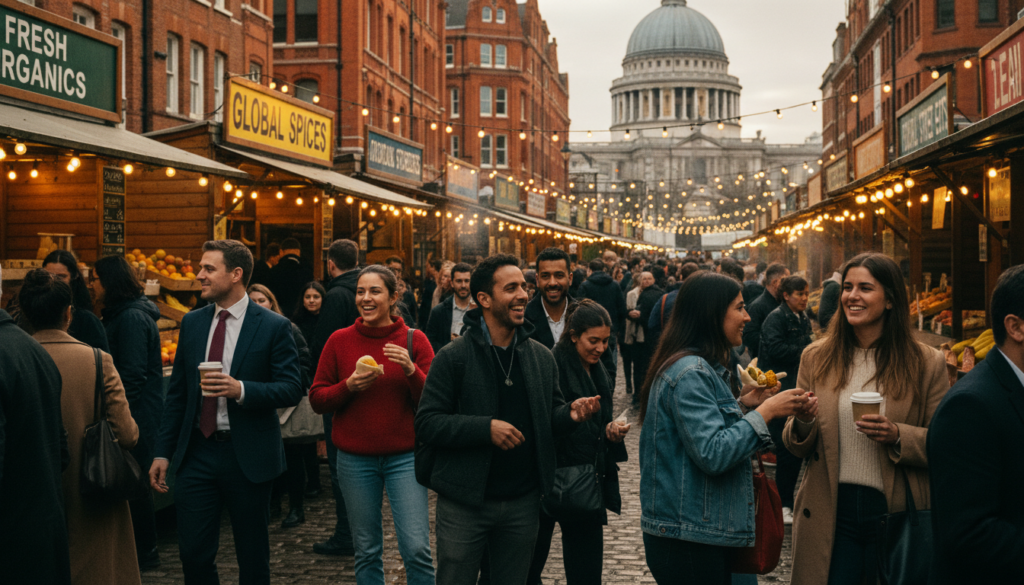
Markets are where food, fashion, and local voices collide—fast, friendly, and full of choice. Hit a few and you’ll taste the city without a long sit-down meal. They’re ideal for a half day or a flexible snack plan between sights.
Top stops: Borough market (order the Ginger Pig sausage roll, The Black Pig “The Best One” sandwich, and Bread Ahead; skip the viral chocolate strawberries), Camden Market for cheap bites and canal-side energy, Portobello Road on Saturday for antiques, and Covent Garden with Seven Dials Market for classic buzz.
Shoreditch brings street art and indie shopping (BOXPARK stands out). Columbia Road is a Sunday flower scene. Leadenhall is a photogenic, quick place to pop into—especially for fans of filmed wizardry.
- Why go: markets show local life fast—food, design, and street style.
- Timing tip: arrive early to move freely; carry a card (cashless payments work best).
- Where to eat: Market Halls Victoria is your go-to when you need quick, varied options near major hotels and transit.
“Treat markets as a flexible lunch or snack stop—you’ll leave with more stories than souvenirs.”
| Market | What to expect | Good for |
|---|---|---|
| Borough Market | Food stalls, artisanal bites, quick orders | Lunch, grazing |
| Camden Market | Street food, stalls, canal walks | Alternative vibe, casual dinner |
| Leadenhall Market | Ornate arcades, photo ops | Short stop between sites |
Unique tours and day trips for something different
Swap the usual museum march for an evening that leans into mystery or a day that feels straight out of a film set. Two options stand out: a true-crime walking tour of Whitechapel or the Warner Bros. studio day trip.
Jack the Ripper walking tours run after dark or by daylight through Whitechapel. Guides retell the 1888 case with care, and some shows use projection tools—often called “Ripper‑Vision.” Typical prices are about £16–£25. These tours are atmospheric and best for adults or teens who handle dark history.
Warner Bros. Harry Potter Studio Tour is outside central city limits at Leavesden. You step onto real sets (Great Hall, Diagon Alley, Dumbledore’s office), sip butterbeer, and spend about 3–4 hours onsite. Book tickets with transport from the city and plan a half or full day for transit and time inside.
“Use one evening for a walking tour, and dedicate a half or full day for the studio experience.”
- Why go: mystery and history vs. pure fandom joy.
- Timing: Ripper tours fit an evening; the studio needs more hours.
- What to expect: immersive guides, careful storytelling, and hands-on moments.
| Option | Typical cost | Suggested time |
|---|---|---|
| Jack the Ripper walking tour | ~£16–£25 | 1.5–2 hours (evening) |
| Harry Potter Studio Tour (Leavesden) | Tickets vary; tours with transport available | 3–4 hours onsite (half/full day total) |
| Scheduling tip | Use an evening + separate day | Fits a 3–7 day trip nicely |
Want offbeat ideas beyond these two? See an off-the-beaten-path guide for more local options.
Conclusion
End your visit with one clear plan: pick a handful of paid highlights, one strong viewpoint, and a few slow pauses to keep energy steady.
Do this first: prioritize the Tower of London (the crown jewels and Beefeater storytelling), then choose Westminster Abbey or St. Paul’s, plus one skyline stop. Prebook timed entry to cut lines and buy yourself more time for the moments that matter.
Cluster sites around central neighborhoods, use parks and markets to recharge, and—if it fits your schedule—watch the Changing of the Guard for that classic royal moment. Mix big icons with small joys: a market snack, a riverside stroll, or a café break can become your favorite memory.
For a quick planner and extra picks, see this big attractions guide to help shape your ideal trip.
FAQ
What should I pack for a few days exploring central London?
Pack comfortable walking shoes, a light waterproof jacket, a reusable water bottle, a compact umbrella, and a daypack. Add an adapter for UK plugs, a photocopy of documents, and any meds. Layering works best—weather can change fast, especially near the Thames and in parks.
How much time do I need to visit the Tower of London and see the Crown Jewels?
Allocate about 2–3 hours to tour the Tower, view the Crown Jewels, and catch the Yeoman Warder (Beefeater) talk. If you want photos, audio guide details, and a relaxed pace, plan for up to 4 hours—especially on busy summer days.
Do I need timed tickets for the Tower Bridge Exhibition and how long does it take?
Timed entry is recommended and often required for peak periods; book online to skip queues. The exhibition and glass walkway take about 60–90 minutes. Add extra time to walk across the bridge and take photos of the Thames panorama.
Can I attend a service at Westminster Abbey or just visit as a tourist?
You can both: visitors may tour most of the Abbey outside of service times, and worshippers can attend services for free. Check the Abbey’s schedule—some areas close for royal events, special services, or tours like guided history walks.
Is it worth climbing St. Paul’s Cathedral dome, and are there accessibility options?
Climbing to the Golden Gallery offers one of the city’s best views—worth it if you’re fit and not claustrophobic. There are many steps (over 500); audio tours and elevators cover the crypt and nave for visitors with limited mobility, but the dome climb is not accessible.
Which museums are free and which ones should I buy tickets for in advance?
Major national museums—British Museum, National Gallery, Victoria & Albert Museum—offer free general admission. Special exhibitions and sites like the Churchill War Rooms, the Tower of London, and Hampton Court Palace require paid tickets; book ahead for peak days to secure entry and timeslots.
What are the best viewpoints besides the London Eye?
Consider the Sky Garden (free with advanced booking), The Shard (paid), and St. Paul’s Cathedral’s Golden Gallery. Southbank walks, the Tate Modern’s viewing level, and Tower Bridge walkways also deliver excellent river and skyline perspectives.
Where can I find a memorable afternoon tea and do I need a reservation?
For classic afternoon tea, check hotels like The Ritz, Claridge’s, or Fortnum & Mason, or try modern takes at sketch or Borough-market-area cafés. Reservations are essential at popular venues—book weeks ahead for weekend slots or special occasions.
Which royal parks are best for a quick nature reset in the city?
Hyde Park and Kensington Gardens are central and great for strolling, boating on the Serpentine, or picnics. St. James’s Park offers royal views toward Buckingham Palace. Richmond Park is larger and ideal for wildlife and quiet cycling if you have more time.
Which markets and neighborhoods should I visit for local food and shopping?
Borough Market for gourmet food, Camden Market for eclectic stalls and street food, Portobello Road for antiques, and Spitalfields for contemporary makers. Walk through Covent Garden, Shoreditch, and Notting Hill to feel each area’s vibe—plan for slow wandering and tasting.
What unique tours or day trips will give me a different perspective of the city?
Try a Jack the Ripper walking tour for gritty history, a Harry Potter film-locations walk for fans, or a Thames river cruise for a scenic view. For day trips, Hampton Court Palace, Windsor, and Bath are reachable by train and offer royal and historic contrasts to the city.
How do I get around—Oyster card, contactless, or paper tickets?
Use a contactless bank card or an Oyster card for the Tube, buses, and most trains—both cap daily fares and are cheaper than single paper tickets. Buy an Oyster at stations or use your contactless card for seamless travel; keep an eye on peak fares if using rail services.
Are guided tours worth the cost, and how do I choose one?
Guided tours add context and save time—choose based on your interests: history, food, architecture, or film. Look for small-group walking tours for personal interaction, official guides at museums for depth, or hop-on hop-off buses for flexible sightseeing. Read recent reviews and check inclusions before booking.
What’s the best way to see the Changing of the Guard without long waits?
Arrive at least 30–45 minutes early and position yourself near the Victoria Memorial or the front of the gates for clearer views. Alternatively, watch smaller detachments during rehearsal days or choose a guided tour that includes a prime viewing spot to avoid crowds.
How many days should I plan for a satisfying city visit that covers highlights?
Plan 3–5 full days to cover central sights: one day for Westminster and the South Bank, one for the Tower and City, one for museums and shopping, plus a day for markets, neighborhoods, or a day trip. Longer stays let you explore neighborhoods, theatre, and relaxed dining.
Are there options for couples or families who want a mix of experiences?
Yes: combine a morning museum visit, an afternoon market and park, and an evening river cruise or theatre show. Families might prefer interactive museums (Science Museum, Natural History), while couples often enjoy afternoon tea, a West End play, or sunset views from the Shard.