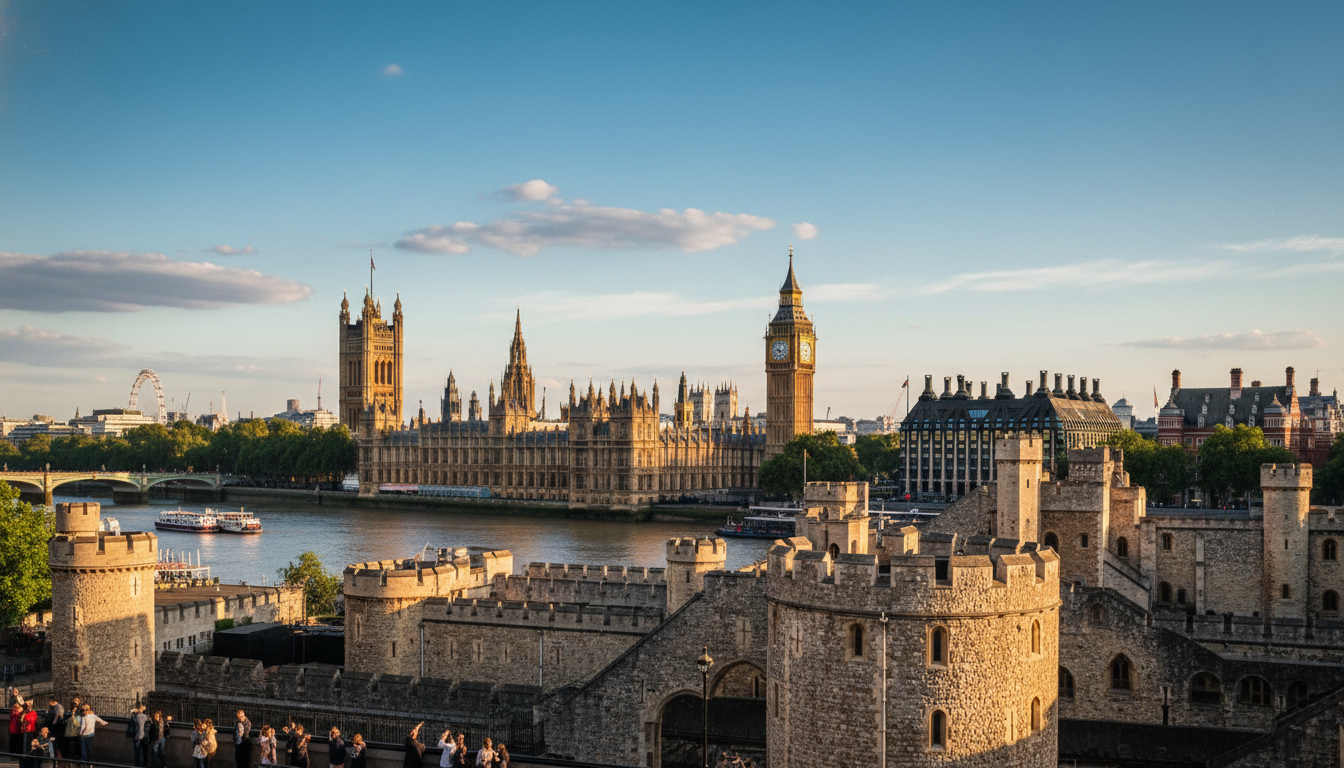
Did you know that beneath London’s busy streets lies an ancient Roman amphitheater? It once held 8,000 spectators for gladiator battles. London’s history spans over two millennia, with every corner telling a story. From the Roman founders in 43 AD to the Victorian engineers of Tower Bridge, the city’s streets are a museum waiting to be explored.
Standing before Big Ben and Elizabeth Tower or walking through Buckingham Palace gates, you touch history. The city’s ancient Roman walls once protected a thriving metropolis. Today, these sites blend with modern life, showing medieval structures alongside glass skyscrapers.
Trafalgar Square connects you to naval victories and artistic triumphs. A Thames River cruise offers views of Parliament’s Gothic towers and the Tower of London’s ancient stones. The Palace of Westminster, home to lawmakers since the 11th century, features Westminster Hall with its original timber beams from 1393. These beams support what was once the largest roof in northern Europe, surviving the 1834 fire that destroyed much of the medieval palace.
Key Takeaways
- London’s history spans over 2,000 years since its founding as Londinium by the Romans in 43 AD
- The city features Roman ruins including an amphitheater that seated 8,000 people for gladiator fights
- Westminster Hall contains timber beams from 1393 and survived the 1834 palace fire
- Ancient Roman defensive walls once stretched three miles from Blackfriars to Tower Hill
- Major landmarks include the Palace of Westminster, Tower of London, and Westminster Abbey
- Victorian engineering marvels like Tower Bridge complement medieval and Roman structures
Ancient Roman Sites
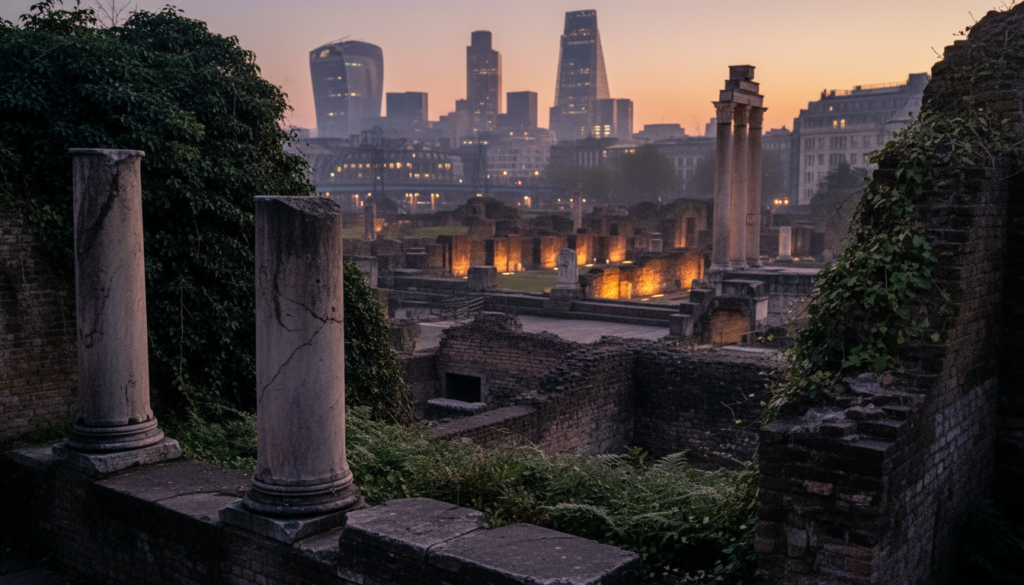
London’s Roman past gives us a peek into life 2,000 years ago. These sites are among London’s top attractions, showing where Londinium thrived. You can visit these spots across the city, many free, to see where Roman Britain began.
London Mithraeum
Found in 1954, this underground temple dates back to AD 240-250. Bloomberg’s museum brings it to life with light and sound. It’s a real Roman experience, right where it was built near the lost River Walbrook.
Roman London Wall Remains
The wall was built AD 190-220 to keep Londinium safe. You can see parts at Tower Hill, the Museum of London, and Barbican Centre. It stretched over two miles, showing Roman engineering skills.
Roman Amphitheatre at Guildhall
Under Guildhall Yard lies Britain’s biggest Roman amphitheater. It had 8,000 seats for gladiator fights and animal shows. The arena’s outline is above, where crowds once cheered.
Billingsgate Roman House and Baths
These ruins show what Roman homes were like. You can see bath houses and living areas through special windows. These free spots offer a close look at Roman daily life, unlike royal sites built later.
Medieval Landmarks
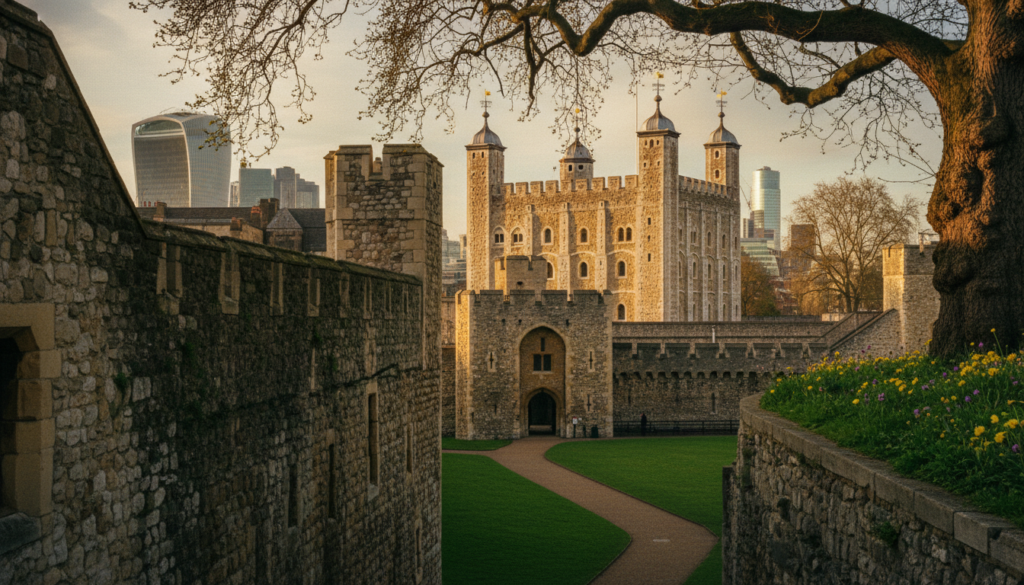
London’s medieval landmarks take you back to a time of knights, royal secrets, and new building styles. These buildings have seen plagues, fires, and wars, telling stories for nearly a thousand years. They show how medieval London helped shape the city we know today.
Tower of London
The Tower of London is Britain’s most famous fortress. Its White Tower stands 90 feet above the Thames. William the Conqueror built it in the 1070s, showing Norman power.
It was a palace, prison, and treasury for nine centuries. You can see where Anne Boleyn spent her last days and the Crown Jewels. The medieval architecture includes towers from Henry III and Edward I, making it a strong castle.
Westminster Hall
Westminster Hall’s oak beams have seen English law since 1097. It was built to show the king’s power. The roof from 1393 is an engineering wonder, without pillars.
Kings held feasts, Parliament debated laws, and courts held trials here. Today, visitors walk where history was made.
Guildhall
The Guildhall’s Great Hall shows London’s pride from the 1400s. Underneath is the city’s largest medieval crypt. The Gothic windows and stonework survived the Great Fire and the Blitz.
This is one of the few places where you can touch the same walls as medieval Londoners.
The Charterhouse
The Charterhouse started as a monastery in 1370, built on plague burial grounds. After it was dissolved in 1537, it became a Tudor mansion and then an almshouse in 1611. Today, it houses elderly residents and shows visitors its medieval and Tudor history.
| Medieval Landmark | Original Purpose | Century Built | Notable Feature |
|---|---|---|---|
| Tower of London | Royal Fortress | 11th | Crown Jewels Display |
| Westminster Hall | Royal Hall | 11th | Medieval Hammer-beam Roof |
| Guildhall | Civic Center | 15th | Underground Medieval Crypt |
| Charterhouse | Monastery | 14th | Tudor Great Chamber |
These landmarks, along with London’s famous religious buildings, keep medieval craftsmanship alive. Each site offers tours that show architectural secrets not seen by everyone.
Historic Royal Palaces
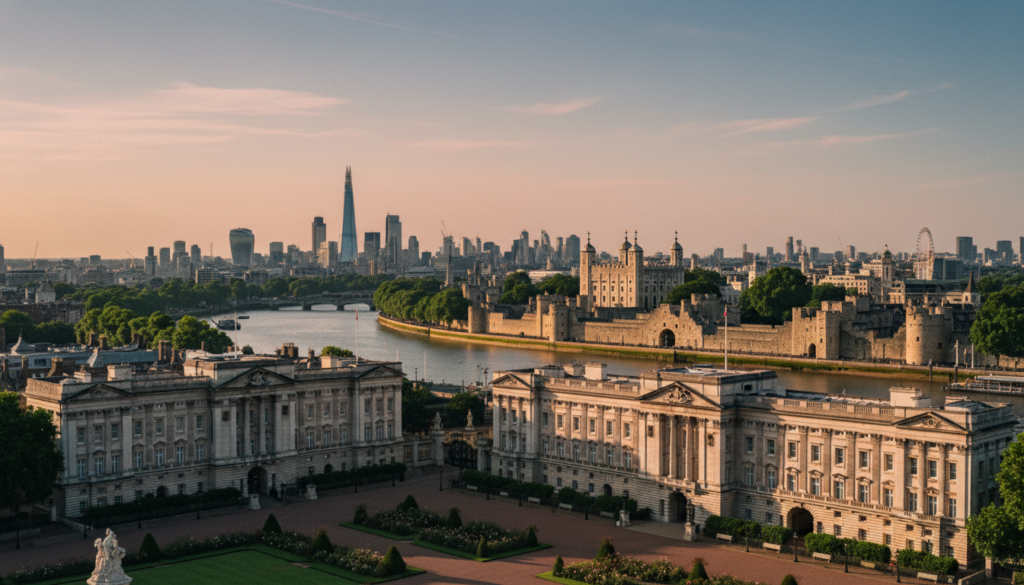
London’s royal palaces take you on a journey through British monarchy history. These buildings are architectural wonders, filled with stories of power, love, and secrets. From the Tudor era to Art Deco, each palace tells a unique part of royal history.
Hampton Court Palace
Hampton Court Palace is a Tudor gem started by Cardinal Thomas Wolsey in 1514. King Henry VIII later made it one of Europe’s finest palaces. Sir Christopher Wren renovated it for William III and Mary II, mixing Tudor and Baroque styles.
Kensington Palace
Kensington Palace is where Queen Victoria was born and grew up. King William III bought it in 1689 and Christopher Wren added to its beauty. The gardens, created during George II’s time, offer a calm break from the city. Today, you can see the state apartments where Queen Anne and George I lived.
Banqueting House Whitehall
The Banqueting House is the only part left of the Palace of Whitehall after a 1698 fire. It was Oliver Cromwell’s home from 1654 to 1658. The stunning ceiling paintings and the hall where Charles I was executed are awe-inspiring.
Eltham Palace
Eltham Palace is a mix of medieval and modern design. The Great Hall, built for Edward IV in the 1470s, was where Henry VIII spent his childhood. In the 1930s, Stephen and Virginia Courtauld added an Art Deco mansion. While here, you can also see historic carriages at the royal mews.
Iconic Churches and Cathedrals
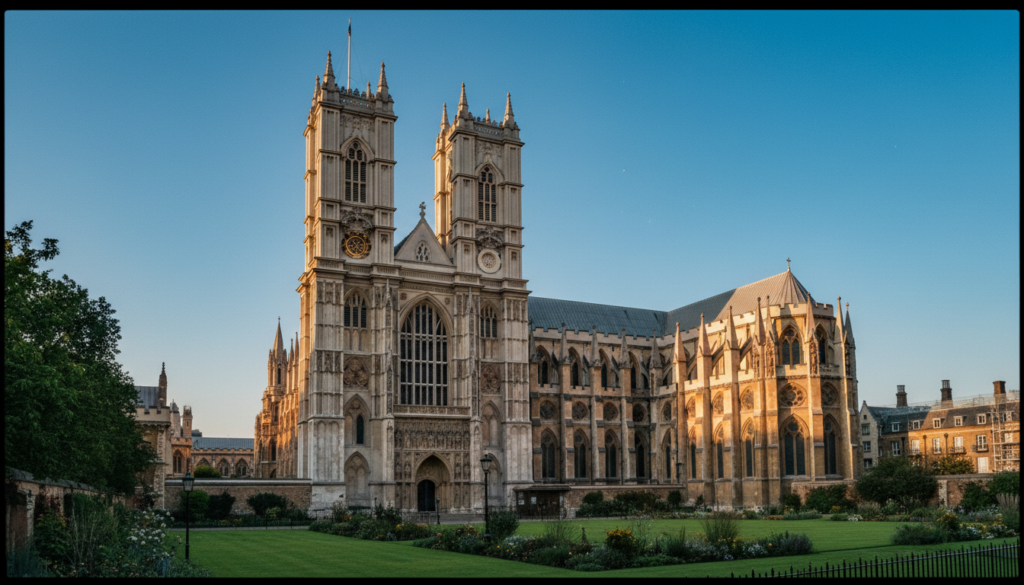
London’s sacred architecture tells centuries of stories through stone and stained glass. These magnificent churches serve as spiritual centers, architectural masterpieces, and repositories of British history. From royal ceremonies to wartime resilience, each building offers a unique glimpse into England’s religious and cultural heritage.
Westminster Abbey
Westminster Abbey is Britain’s coronation church, where monarchs have been crowned since 1066. It’s home to Poets’ Corner, where famous writers like Geoffrey Chaucer and Charles Dickens rest. The Gothic architecture dates back to the 11th century, with Henry III rebuilding much of it in the 13th century.
St Paul’s Cathedral
Sir Christopher Wren’s baroque masterpiece dominates the London skyline from Ludgate Hill. St Paul’s Cathedral survived the Great Fire of 1666 and Nazi bombing during World War II, becoming a symbol of London’s resilience. You can climb 528 steps to the Golden Gallery for breathtaking city views. The cathedral serves both as the seat of the Bishop of London and a working church for daily services.
Temple Church
Built by the Knights Templar in 1185, this round church features effigies of medieval knights lying on its floor. The circular nave, modeled after Jerusalem’s Church of the Holy Sepulchre, creates an unusual architectural experience rarely found in English churches.
St Bartholomew the Great
London’s oldest surviving church building dates from 1123, offering you authentic Norman architecture. The atmospheric interior has appeared in films like Four Weddings and a Funeral and Shakespeare in Love.
| Cathedral | Founded | Architectural Style | Notable Features |
|---|---|---|---|
| Westminster Abbey | 1065 | Gothic | Coronation Chair, Poets’ Corner |
| St Paul’s Cathedral | 1675-1710 | English Baroque | Whispering Gallery, Golden Gallery |
| Southwark Cathedral | 1106 | Gothic | Shakespeare Memorial, Harvard Chapel |
| Westminster Cathedral | 1903 | Byzantine Revival | Campanile Tower, Eric Gill Stations |
While exploring these sacred spaces, you’ll discover that Southwark Cathedral preserves medieval Gothic elements despite Victorian restoration. Westminster Cathedral, the mother church of English Catholics, showcases striking Byzantine architecture with its distinctive red-brick exterior and soaring campanile tower.
Tudor and Elizabethan Heritage Sites
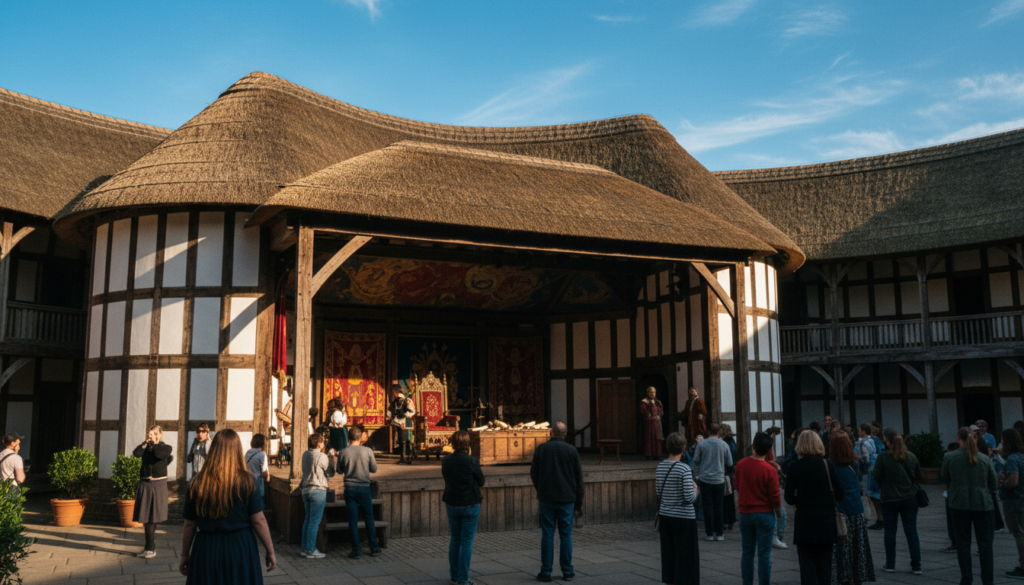
Step back into the golden age of English drama and culture by visiting London’s remarkable Tudor and Elizabethan heritage sites. These historic locations offer a real look into the era when theatre became a sophisticated art form. From playhouses to medieval inns, these sites keep the spirit of Renaissance London alive.
Shakespeare’s Globe Theatre
Experience the magic of Shakespeare’s Globe, a faithful reconstruction of the original 1599 playhouse. This open-air theater sits just 750 feet from the original site on Bankside. Watch performances under the sky, just as audiences did four centuries ago.
The thatched roof and oak frame create an authentic atmosphere. Modern theatre and entertainment venues rarely capture this feeling.
The George Inn Southwark
Visit London’s last surviving galleried coaching inn, dating back to medieval times. The George Inn has welcomed travelers since the 14th century. The current building dates from 1677 after the Great Fire.
Its wooden galleries and courtyard once hosted theatrical performances. Before purpose-built venues existed, this was the place to be.
Staple Inn
Discover one of London’s few remaining Tudor buildings on Holborn. Built in 1585, this timber-framed structure survived both the Great Fire and World War II bombing. Its distinctive black and white facade represents classic Elizabethan architecture rarely seen in modern London.
Middle Temple Hall
Explore this magnificent Elizabethan hall where Shakespeare himself performed Twelfth Night in 1602. The grand hammer-beam roof and carved oak screen make it one of the finest examples of Elizabethan architecture in London.
| Heritage Site | Built | Notable Feature |
|---|---|---|
| Shakespeare’s Globe | 1997 (reconstruction) | Open-air performances |
| The George Inn | 1677 | Galleried courtyard |
| Staple Inn | 1585 | Tudor timber framing |
| Middle Temple Hall | 1562-1573 | Hammer-beam roof |
Georgian and Regency Era Attractions
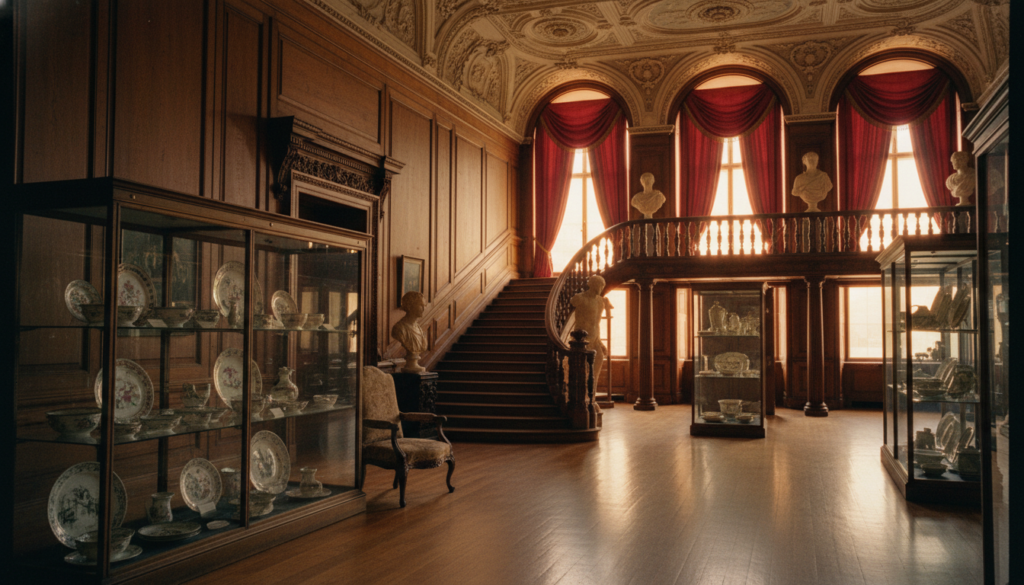
Step back into 18th and early 19th century London’s elegance. Homes from the Georgian and Regency periods are perfectly preserved. They show the refined tastes of those times. These museums give us a close look at the lives of famous architects, writers, and military heroes.
Unlike the British Museum or Victoria and Albert Museum, these houses offer personal connections. They let us see the lives of their famous residents up close.
Sir John Soane’s Museum
Sir John Soane’s Museum is just as the architect left it in 1837. It’s a townhouse in Lincoln’s Inn Fields. Inside, you’ll see his amazing collection of antiquities, paintings, and architectural models.
The Picture Room is a highlight. It has works by Hogarth and Canaletto. The paintings are cleverly hidden behind hinged panels. Entry is free, just as Soane wanted.
Dr Johnson’s House
Dr Johnson’s House is a 300-year-old townhouse. It’s where Samuel Johnson worked on the first English dictionary from 1748 to 1759. Located in Gough Square near Fleet Street, it’s a rare example of Georgian architecture.
Inside, you’ll find period furniture, prints, and first editions of Johnson’s works. The garret is where six assistants helped Johnson. They defined over 40,000 words, changing the English language forever.
Victorian Historical Sites
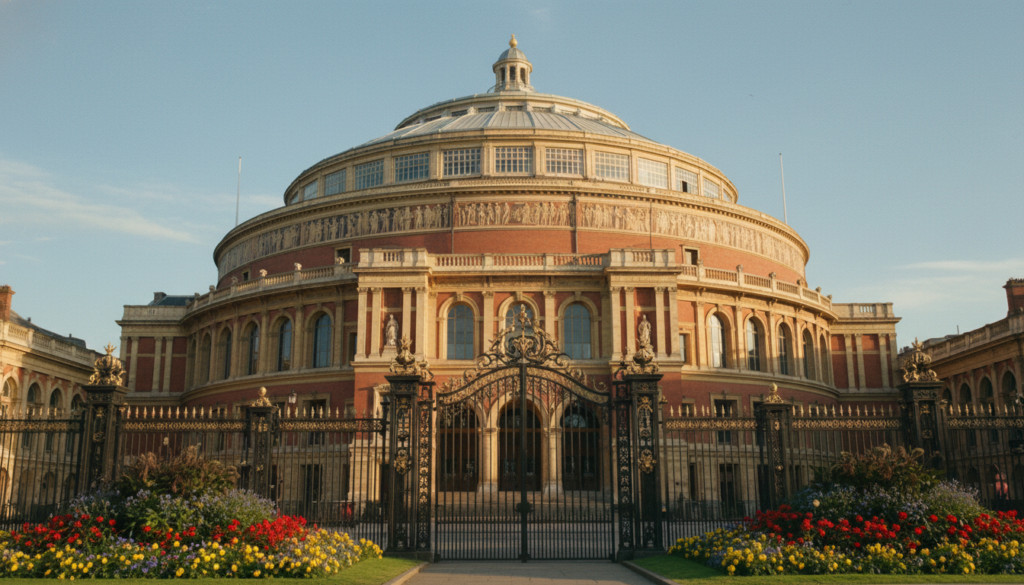
Step into Victorian London’s grandeur. Here, architectural wonders show the era’s engineering and art. The 19th century changed London’s skyline with amazing structures. These sites show Queen Victoria’s time, when Britain was a leader in innovation.
Royal Albert Hall
The Royal Albert Hall is a symbol of Victorian culture. It hosts over 390 events each year, from concerts to rock shows. Its red-brick and terracotta design is famous. Inside, it seats 5,272 people under a glass and iron dome.
Natural History Museum Building
The Natural History Museum is known for its Romanesque Revival design. Alfred Waterhouse created the terracotta facade with animal and plant sculptures. The Hintze Hall has a blue whale skeleton and tall arches.
It’s near the Science Museum, but it has over 80 million specimens. This makes it a must-see.
Tower Bridge
Tower Bridge is a mix of Victorian engineering and Gothic Revival style. It was opened by the Prince of Wales in 1894. You can walk on the high-level walkways, 138 feet above the Thames.
The Victorian Engine Rooms show the original steam engines. They powered the bridge’s bascules.
Leadenhall Market
Leadenhall Market is known for its Victorian ironwork and cobbled streets. Sir Horace Jones designed it in 1881. Markets have been here since Roman times.
The painted roof adds to the charm. It’s famous for being the Leaky Cauldron in Harry Potter and the Philosopher’s Stone.
World War History Attractions
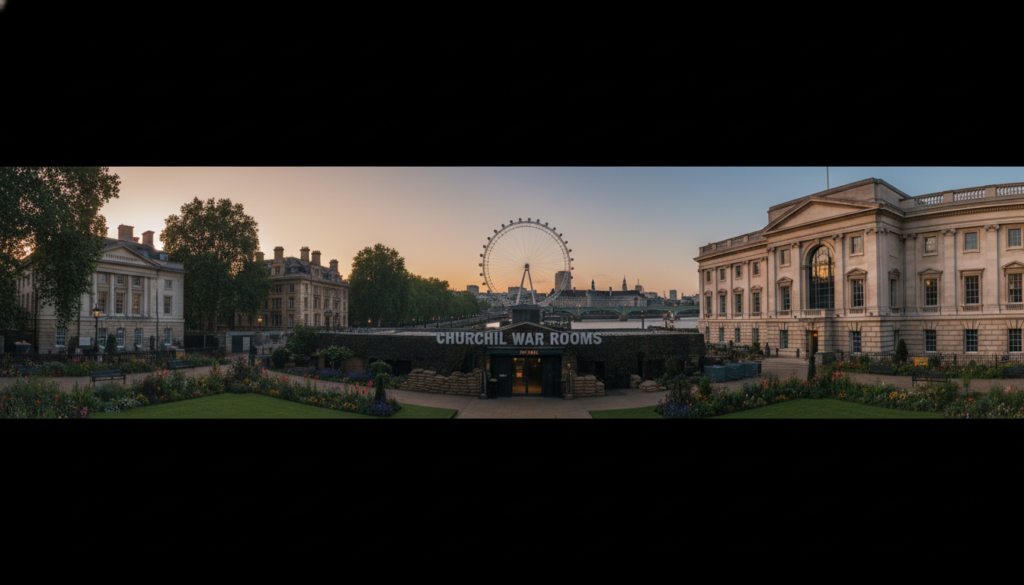
London’s wartime history comes to life in museums and sites that show courage and strength. You can visit these places and also see the London Dungeon or the London Eye nearby.
Churchill War Rooms
Visit the secret headquarters where Winston Churchill led Britain during the war. Built in 1939, it has the Map Room, Cabinet Room, and Churchill’s studio. The Transatlantic Telephone Room was used for secret talks with President Roosevelt.
Everything is just as it was in 1945. You’ll see maps on walls and even Churchill’s bed.
Imperial War Museum
This museum near the Southbank Centre covers wars from World War I to today. The building, designed by Sir Edwin Lutyens, has exhibits on the Spanish Civil War and India’s fight for freedom. You’ll see displays like “Women at War 1914-1918” and collections of military vehicles and letters.
HMS Belfast
Explore this famous warship on the Thames, between Tower Bridge and the Southbank Centre. Launched in 1938, it fought in the Battle of North Cape and supported D-Day. Now, you can see nine decks, from the engine rooms to the captain’s bridge.
| Attraction | Opening Hours | Adult Ticket Price |
|---|---|---|
| Churchill War Rooms | 9:30 AM – 6:00 PM | $32 |
| Imperial War Museum | 10:00 AM – 6:00 PM | Free Entry |
| HMS Belfast | 10:00 AM – 5:00 PM | $29 |
Historic Museums and Collections
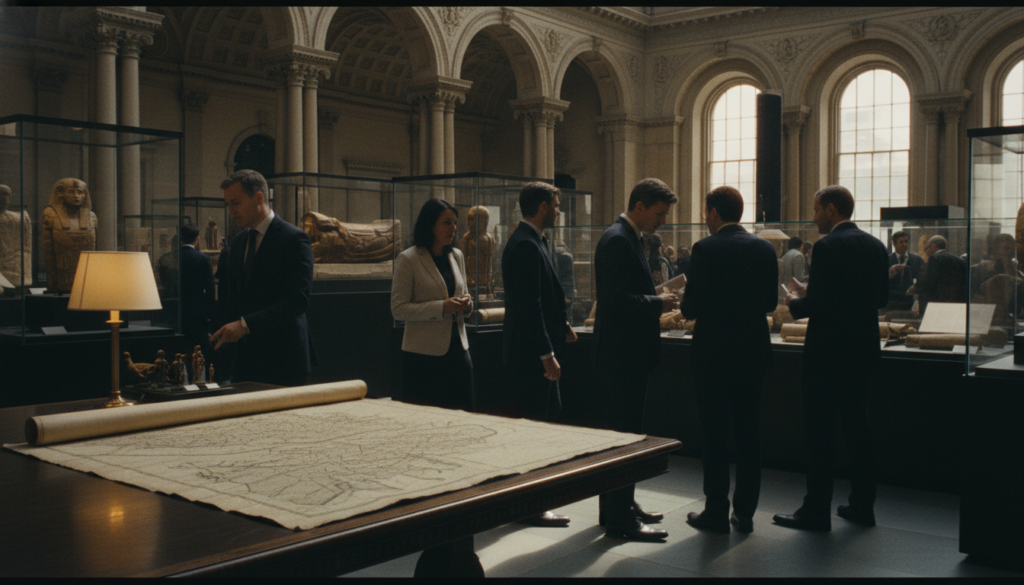
London’s museums are filled with treasures from all over the world. You can see ancient civilizations, stunning art, and the city’s own history. Each museum gives a unique view of different times and cultures.
They are must-see places, especially when you visit the national gallery or shop at borough market.
British Museum
The British Museum was started in 1753. It has over eight million items from all over the world. You’ll see the famous Rosetta Stone and Assyrian lion sculptures from 865 BC.
The museum offers free audio guides and special tours for families. After seeing ancient artifacts, many people go to camden market for lunch. It’s a great way to experience modern London.
Museum of London
This museum makes London’s history come alive with interactive displays. You can follow London’s story from the Romans to today. The Museum of London Docklands tells the tale of river trade and commerce.
Victoria and Albert Museum
The V&A Museum shows 3,000 years of decorative arts and design. You might see ancient Chinese ceramics, Indian sculptures, or medieval tapestries. Many visitors also check out portobello road market, close by.
Bank of England Museum
This museum focuses on Britain’s financial history. You can touch coins, banknotes, and gold bars. Interactive exhibits make complex topics easy to understand for everyone.
Essential Tips for Visiting Historical Attractions in London
When planning your trip to London’s historical sites, timing and booking are key. Visit Buckingham Palace State Rooms in summer for public access. Early morning tours at the Tower of London help you dodge the crowds.
Many top museums offer free entry. This includes the British Museum, Natural History Museum, Science Museum, Tate Modern, and National Gallery. Buying tickets for multiple royal palaces can save you money. Don’t miss the Thames river cruise to Greenwich Park, a UNESCO World Heritage Site.
London is full of great spots to see the city. Sky Garden offers free views after booking online. The Shard’s viewing gallery gives you stunning 360-degree views. Climbing St Paul’s Cathedral dome gives you historic views.
The London Eye offers a unique view of Big Ben and Westminster. Each spot offers a different experience, from modern sights to ancient views.
Families will find lots to do in London beyond historical sites. Sea Life London Aquarium shows marine life from all over. Madame Tussauds has wax figures of famous people and historical figures.
The Warner Bros Studio Tour lets you see Harry Potter film magic. ZSL London Zoo in Regent’s Park is great for learning about wildlife. Historic markets like Borough Market and Camden Market offer unique shopping.
Take breaks in green spaces like Hyde Park or Kew Gardens. For luxury shopping, head to Harrods and Knightsbridge.
FAQ
What are the must-see landmarks and monuments in London for first-time visitors?
London’s top sights include Big Ben and Elizabeth Tower, Tower Bridge, and the Tower of London. Don’t miss Westminster Abbey and St Paul’s Cathedral. Buckingham Palace and Trafalgar Square are also must-sees.
Take a Thames river cruise to see historic sites from the water. The London Eye offers amazing views. Shakespeare’s Globe gives you a taste of Elizabethan theater.
Which free museums and galleries should I visit in London?
London has many free museums. The British Museum has the Rosetta Stone and 8 million objects. The Natural History Museum has dinosaur exhibits.
The Science Museum has interactive displays. Tate Modern is for contemporary art. The National Gallery and Victoria and Albert Museum are also free.
The Museum of London lets you explore the city’s 2,000-year history for free.
How can I visit the historic royal sites and palaces in London?
Explore royal palaces like Hampton Court Palace and Kensington Palace. Banqueting House at Whitehall and the Tower of London are also great. Buckingham Palace State Rooms open in summer, but book early.
Consider buying tickets for multiple palaces to save money. The Royal Mews shows off royal carriages and vehicles.
What are the best family-friendly attractions in London’s historical sites?
Sea Life London Aquarium and Madame Tussauds wax museum are great for families. The London Dungeon is fun for older kids. Warner Bros Studio Tour and ZSL London Zoo are also popular.
HMS Belfast offers hands-on naval history. The Natural History Museum and Science Museum have interactive exhibits for kids.
Where can I find the best scenic viewpoints and observation decks in London?
The Shard and Sky Garden offer panoramic views. London Eye capsules give 360-degree views. Climbing St Paul’s Cathedral dome is a challenge but rewarding.
Greenwich Observatory Hill has stunning views of the Thames. Tower Bridge’s glass walkways are 42 meters above the river.
Which popular parks and gardens should I include in my London itinerary?
Hyde Park is huge and has Speaker’s Corner. Regent’s Park and London Zoo, Kew Gardens, St James’s Park, and Greenwich Park are also great. These parks offer free access, except for Kew Gardens and London Zoo.
What are London’s most famous markets and shopping areas with historical significance?
Borough Market has food from medieval times. Camden Market is for alternative culture. Covent Garden and Portobello Road Market are known for antiques.
Harrods and Knightsbridge offer luxury shopping. Leadenhall Market, with its Victorian architecture, was in Harry Potter films.
How can I experience London’s theatre and entertainment venues with historical importance?
Book West End theatres for top shows. Shakespeare’s Globe offers Elizabethan performances. Royal Albert Hall hosts concerts in a Victorian building.
Southbank Centre is for contemporary arts. The Globe Theatre has standing tickets for an authentic 16th-century experience.
Which iconic religious buildings should I visit to understand London’s spiritual heritage?
Westminster Abbey hosts coronations and royal weddings. St Paul’s Cathedral survived WWII. Southwark Cathedral is medieval.
Temple Church has medieval round church architecture. These sites show London’s spiritual history.
What’s the best way to explore London’s Roman heritage sites?
Start at the London Mithraeum beneath Bloomberg’s headquarters. Then visit the Roman London Wall at Tower Hill and Barbican Centre.
The Roman Amphitheatre ruins at Guildhall were for gladiator fights. These sites show London’s Roman past.