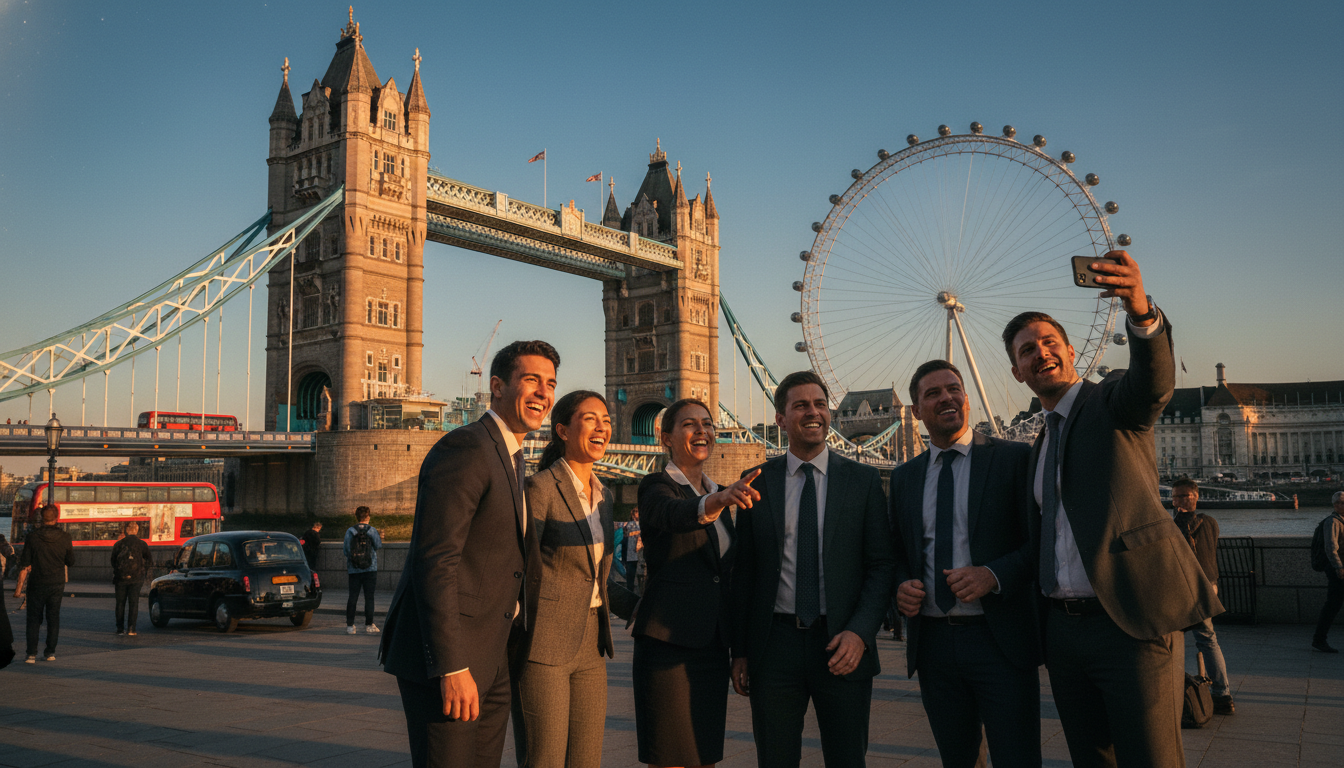
Ever wondered which sights truly make a first trip unforgettable? I asked myself the same before my first visit, and I learned how to balance history, skyline views, and plain fun so you don’t waste hours queuing.
I’ll show you what’s worth your time—what to book ahead, what you can skip, and how to group nearby stops so you see more of the city with less backtracking.
This guide mixes royal sites, free museums, wartime stories, markets, parks, and must-see skyline views. I point out which london tourist attractions are free and which need booking—like studio tours or timed entries—so you don’t get shut out.
Read on to build a plan fast: practical tips, personal picks, and the little details that make a visit feel like more than a checklist.
Key Takeaways
- Prioritize a mix of history, views, and hands-on fun to avoid long lines.
- Book ahead for popular experiences that sell out fast.
- Many top sites and museums cost nothing—great for US travelers on a budget.
- Group nearby stops to save time and see more of the city.
- I’ll highlight personal picks: what I’d do again and what I’d skip.
Tourist Attractions in London Worth Your Time Right Now
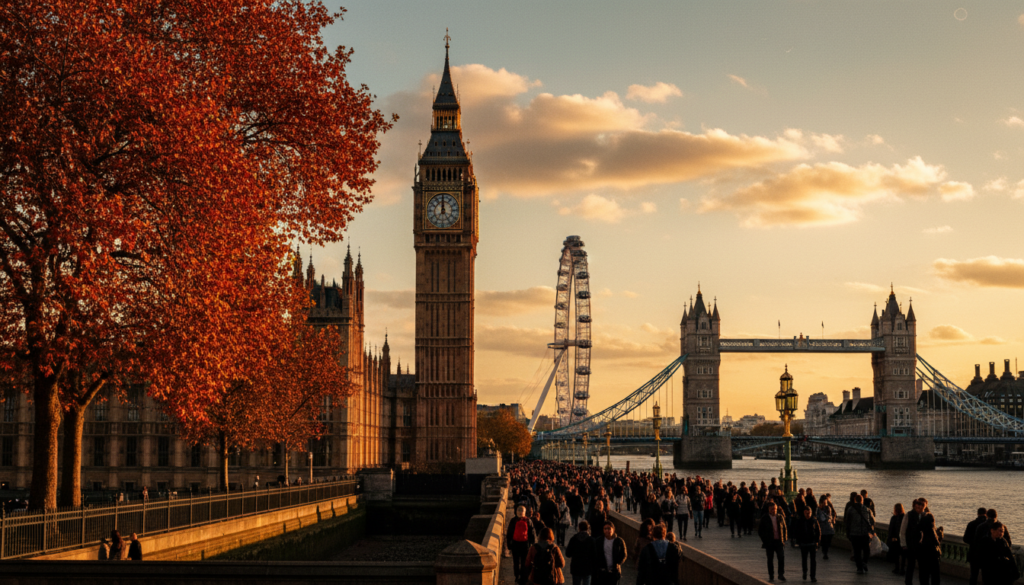
I pick stops that feel like a story unfolding rather than a list to check off. If a place gives you a genuine “pinch me” moment, it earns a slot on a short trip.
Rule of thumb: book timed tickets for the big hitters, stay flexible for markets and parks, and aim for one or two anchor reservations a day. Many sites—Westminster Abbey and the Churchill War Rooms among them—use timed entry, so timing matters.
I favor mornings for the most famous sights, afternoons for calm museum visits and neighborhoods, and evenings for viewpoints or a Thames walk. That rhythm keeps your days lively without rushing.
To avoid zig-zagging, cluster stops by area. Walk, then linger; save one guided tour for places where stories transform the view, and go self-guided where wandering is the point.
- Decide by impact: pick memorable over many.
- Use timed tickets to lock in peak-time access.
- Cluster and pace your day for smoother travel times.
I’ll lay out pick-and-mix options next, so you can tailor days for solo travel, couples, or family visits without wasting precious hours.
The London Icons You’ll Want on Your Camera Roll
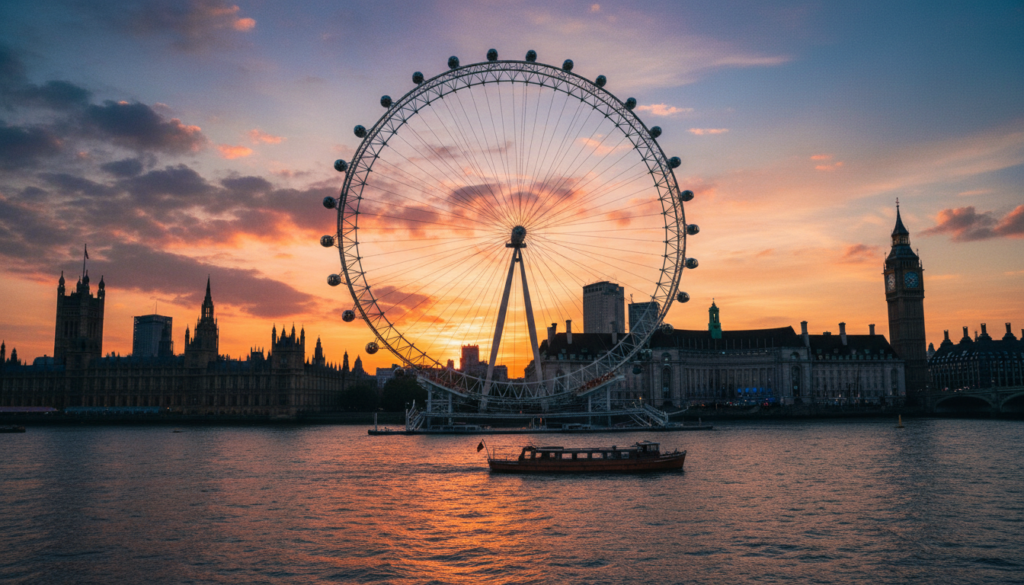
If you want a handful of photos that scream ‘I was here,’ focus on these unmistakable city icons. Start at Westminster for the postcard moment where Big Ben, the Thames, and ceremonial buildings line a walkable route.
The london eye tops the skyline list at 443 feet with 32 pods. I recommend it for first-timers who want a single, sweeping view of the city on a clear day. If you fear heights, skip the ride and save time.
- Big Ben is technically the Great Bell inside Elizabeth Tower — a tidy fact that makes photos feel informed.
- Oxford Street runs about 1.2 miles and hosts 300+ shops; it’s less about buying and more about people-watching and scale.
- Plan the london eye for off-peak hours to avoid long lines and capture golden-hour light by the river.
“Aim for early evening along the Thames — the light turns ordinary scenes into cinematic shots.”
| Spot | Quick Fact | Photo Tip |
|---|---|---|
| Westminster | Big Ben = Great Bell in Elizabeth Tower | Wide lens at golden hour |
| London Eye | 443 ft, 32 pods | Book sunset slot for sweeping light |
| Oxford Street | ~1.2 miles, 300+ shops | Capture storefront scale; try side streets for calmer shots |
Royal London Highlights: Buckingham Palace and Beyond
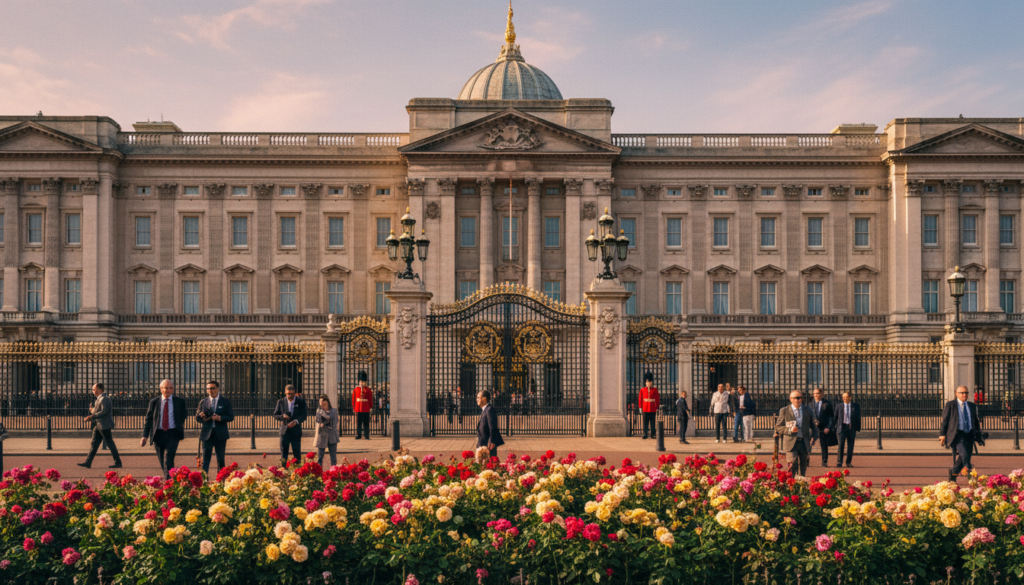
Walk past the gilded gates and you’ll sense how royal life and public pageantry meet at Buckingham Palace.
I treat the palace first as a working home, then as a visitor experience. Summer opens bring public tours that are lengthy but rewarding—so book early and expect formal rooms, changing displays, and a steady flow of visitors during the season.
Pair palace time with St. James’s park next door for contrast. The walk through the green gives you a calm break from ceremony and excellent photo moments by the water.
If you want to keep exploring, stay within central london and follow a simple route: palace, park stroll, then a short walk to historic streets or a nearby gallery. This feels grand without turning the day into a marathon of sites.
For a different royal angle, consider Kensington Palace as an optional extension. It’s quieter and focuses on personal stories and fashion—an easy contrast to Buckingham Palace’s state rooms.
| Stop | Why Go | Tip |
|---|---|---|
| Buckingham Palace | Working royal residence with seasonal tours | Book summer slots early; arrive before entry time |
| St. James’s Park | Peaceful gardens and lakeside paths | Bring a picnic after the palace visit |
| Kensington Palace | Royal history with fashion exhibits | Visit for a quieter, personal view of monarchy |
Historic Landmarks for a Deep-Dive Into London’s Past
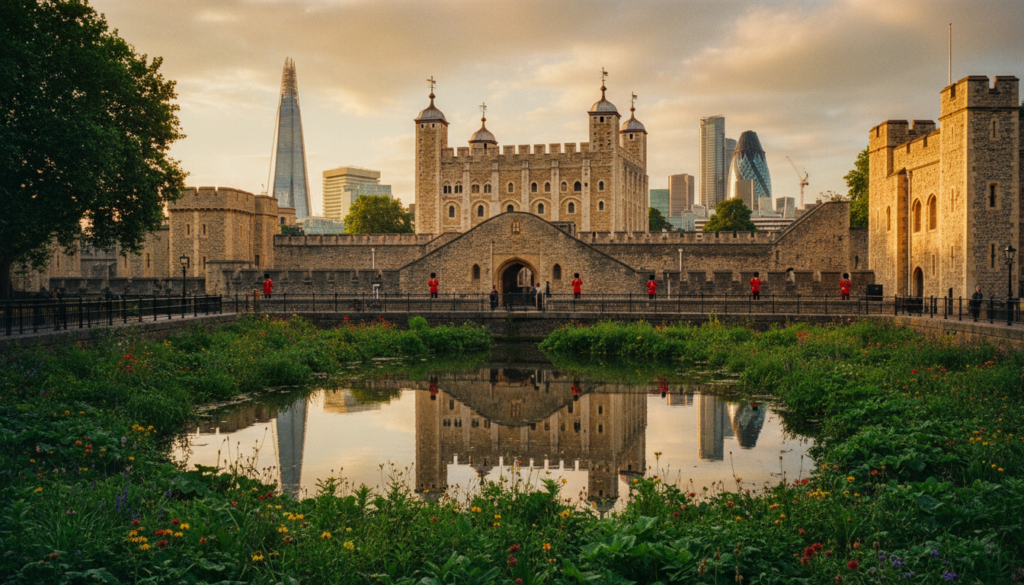
Step into a fortress where crowns, conspiracies, and centuries collide. The tower london began as a Norman citadel in 1066; William the Conqueror finished the White Tower by 1078.
I recommend the Yeomen Warder tour first — it gives you the narrative thread that pulls the site together. Allow at least two hours, expect crowds, and budget roughly £35 for entry.
The crown jewels are not mere sparkle; they are ceremony and state power on display. Seeing them changes how the walls read — from prison to stage for royal ritual.
Walk across tower bridge after the tower visit so your day flows. Built 1886–1894, the span carries about 40,000 people daily. Inside, the Exhibition’s glass-floor skywalk and Victorian engine rooms feel both thrilling and oddly poetic; ticket prices sit near £16.
- Why go: compresses nearly a millennium of history into one site.
- Must-do: Yeomen Warder tour then explore solo.
- Timing: 2+ hours; early entry eases crowds.
| Site | Key Facts | Practical Tip |
|---|---|---|
| Tower of London | Founded 1066; White Tower 1078; crown jewels on display | Book tickets ~£35; start with a Beefeater tour |
| Tower Bridge | Built 1886–1894; ~40,000 daily crossings; glass skywalk | Buy Exhibition entry ~£16; cross for best photos |
| Combined visit | Natural walking route; complementary stories | Plan a single morning or afternoon to cover both |
For a longer primer on nearby historic sites, see the Historical Sites Guide to plan your route and timing.
Best Views of the London Skyline
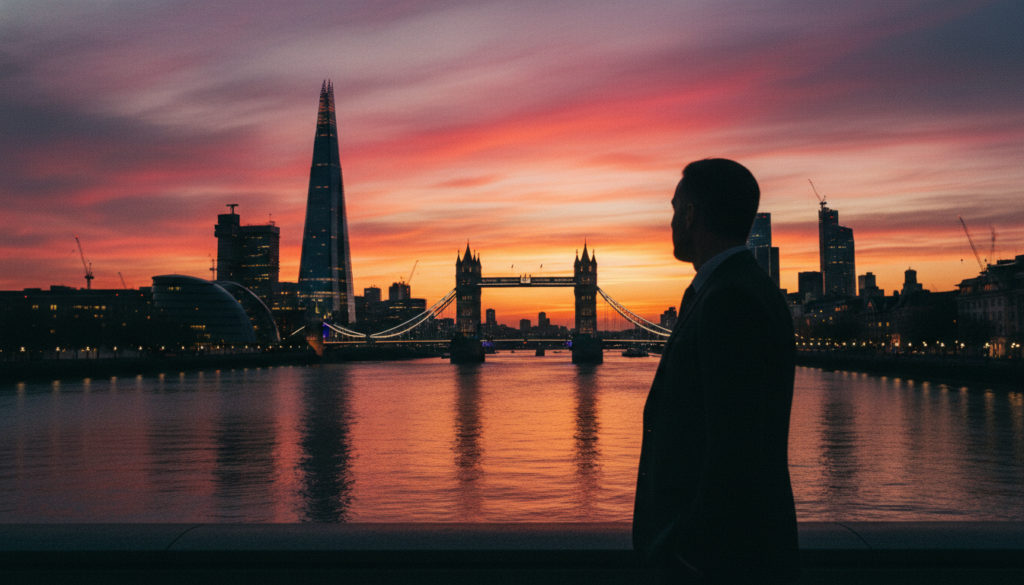
I break choices down so you can pick the skyline experience that fits your mood: ultra-high polish or active memory-making.
The Shard dominates the list—it’s 310 meters tall with public viewing levels on floors 69–72 offering 360-degree views. If you want a dramatic panorama and don’t mind the ticket price, book a sunset slot for clearer light and calmer crowds.
Up at The O2 is the opposite thrill: a 53-meter climb that feels hands-on and social. Daytime, sunset, and twilight climbs all give broad city views and a story to tell afterward.
For a free but striking option, the Tate Modern’s Blavatnik Building terrace delivers skyline drama without an observation-deck fee. It’s perfect when you want the view and prefer to spend your budget on food or tours.
- When to go: aim for clear weather and sunset times for best light.
- Midday reset: choose Tate Modern or a riverside walk for a quick, low-cost view.
- True highlight: reserve The Shard or an O2 climb and build your evening around it.
“I time my skyline stops for light and weather—clear skies and twilight make the city feel cinematic.”
Museums and Galleries That Are Actually Worth Your Time
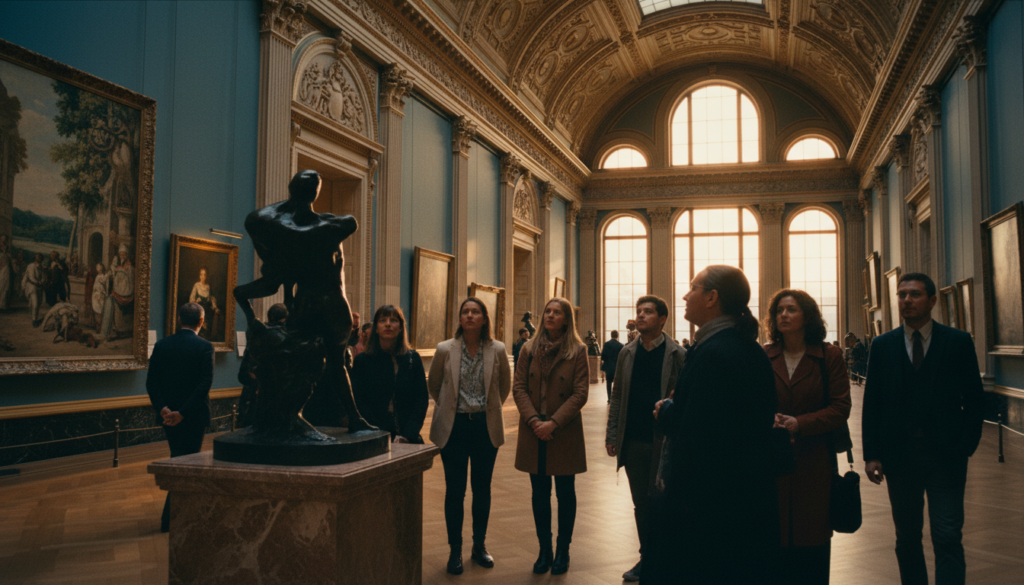
Museums here tell layered stories—plan a pace that leaves room for surprise.
I pick one anchor museum per day and treat smaller stops as flexible add-ons. This keeps your energy up and the experience meaningful.
Quick reads on each: The British Museum holds millions of objects—estimates range from 8M to 13M—with a core set you can see in a focused visit.
The National Gallery houses 2,300+ works from the 1200s to the early 1900s and is free. South Kensington groups the Natural History Museum and the V&A near one Tube station, making a weather-proof afternoon easy.
- Pick one anchor, then add a gallery or two nearby.
- Visit key rooms first—don’t try to see everything.
- Weekday mornings are calmer than weekends.
| Museum | Why Visit | Tip |
|---|---|---|
| British Museum | Global objects, deep history | Start with the Rosetta Stone and Egyptian rooms |
| National Gallery | Masterpieces across centuries | Focus on 6–8 highlights for one visit |
| Tate Modern / V&A / Natural History | Modern art, design, and family-friendly science | Combine Tate with a riverside walk; use South Kensington station for the V&A and Natural History |
World War II London: Churchill War Rooms and Westminster Walks

The Churchill War Rooms feel like stepping into a decision-making engine frozen in time. Many of the rooms are preserved as they were when abandoned in 1945, so you see maps, desks, and noticeboards that still whisper urgency.
I recommend booking a timed ticket (~£33) and allowing 90–120 minutes. The self-guided audio—contributors include Amanda Williams and Steve Dziewinski—adds context you won’t get from labels alone. I listened and learned small, human details that changed how the place landed for me.
Why it hits differently: you’re not just reading history; you stand where calls were made. Look for scratch marks on Churchill’s chair and operational noticeboards—tiny traces that make the wartime pressure feel real.
- Timed entry: book ahead to avoid queues.
- Pacing: 90–120 minutes for a focused visit.
- Pair it: walk to Westminster Abbey and Parliament afterward for a surface-to-bunker connection.
“Standing below Downing Street, the rooms reconnect the city’s institutions with the choices made beneath them.”
Parks and Gardens for a Breather Between Attractions
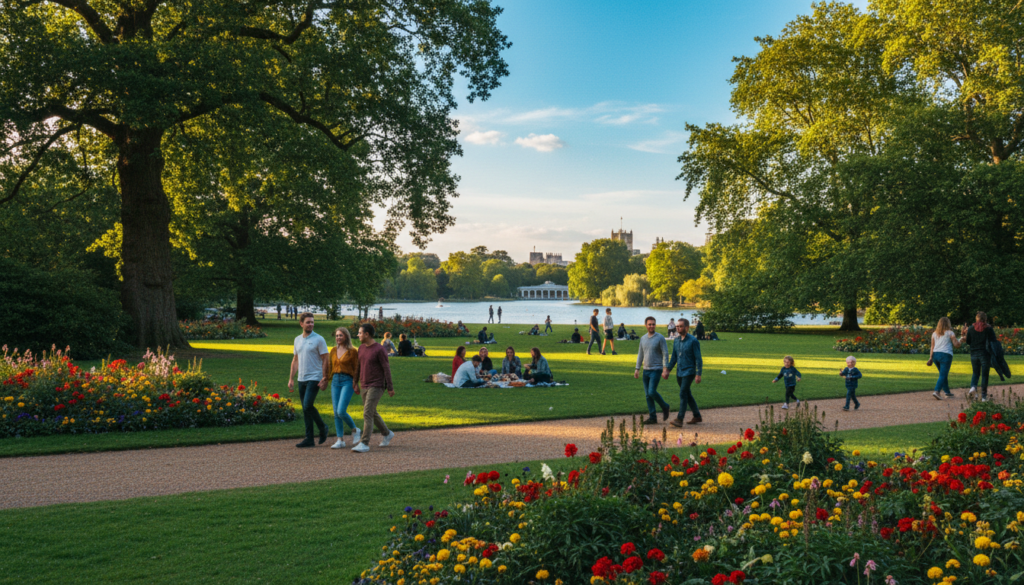
Parks are not padding on your itinerary; they are planned pauses that keep a day from feeling rushed. I schedule at least one green stop each day to reset, stretch, and let the city slow down around me.
Hyde Park anchors the Royal Parks at roughly 350 acres—wide paths, open water, and places to sit without a plan. Walk north to Kensington Gardens, or step east to Green Park and St. James’s Park for short, scenic links between sights.
For a different pace, head west to Richmond Park. The landscape is vast and free-roaming deer wander the grass—an unmistakably British scene that feels remote despite being part of the city.
If you want lots of plant variety, Kew Gardens is a UNESCO botanic garden best reserved for a half-day or full-day visit. It costs to enter, but the glasshouses and collections reward the slow pace.
- Use parks to connect neighborhoods on foot—easy routes and calmer transfers.
- Go in the morning for quieter paths and better light.
- Bring a takeaway lunch and sit where locals do to watch the city breathe.
| Park | Why Visit | Tip |
|---|---|---|
| Hyde Park | Central, ~350 acres; great for wandering | Anchor a Royal Parks route; start early |
| Richmond Park | Wide landscapes with free-roaming deer | Plan a half-day; bring binoculars for deer spotting |
| Kew Gardens | UNESCO botanic garden with glasshouses | Buy timed entry for a relaxed half- or full-day |
| Regent’s Park & Primrose Hill | Green space with skyline views to the north | Combine with a north london stroll and a picnic |
“A short walk through a park can turn a crowded schedule into a memorable, human-paced day.”
Markets and Food Stops You Can Build a Day Around
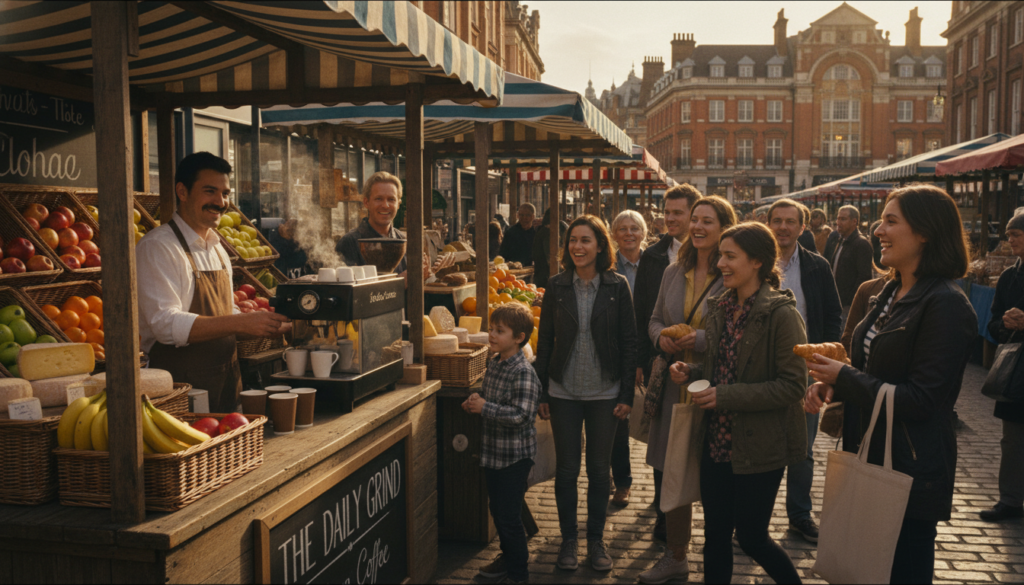
Build a day around markets and you’ll taste a sharper, more local side of the city. Start at Borough Market for a morning run of flavors: the Ginger Pig sausage roll, Black Pig’s “The Best One” sandwich, and a Bread Ahead sweet treat.
Avoid the viral strawberries in chocolate if you’re short on time—crowd-pleasers that cost queue time more than flavor.
Later, cross to Covent Garden for the market building and street performance energy. If rain hits, head to Seven Dials Market food hall for variety under one roof.
Practical note: graze from stalls when you want pace and variety; book restaurants near markets for a relaxed meal or special evening. Reservations matter for popular spots.
“Plan mornings for Borough and afternoons around Covent Garden—food-focused walking keeps the day lively.”
| Stop | Why Go | Tip |
|---|---|---|
| Borough Market | Historic stalls & signature bites | Go early to beat the lunch surge |
| Covent Garden | Market building + street life | Combine with Seven Dials for indoor options |
| Afternoon Tea | Rituals from casual to luxe | Swan ~£42; Ampersand ~£60/£40; Lanesborough ~£89 |
Neighborhoods That Feel Like a Movie Set
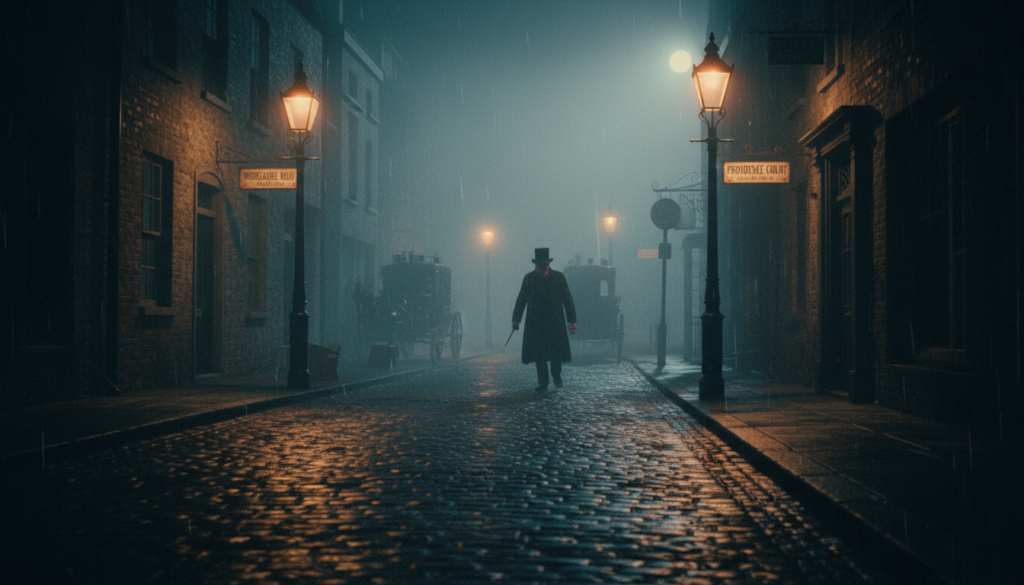
Some neighborhoods feel scripted—rows of pastel houses, cobbled lanes, and corners made for lingering.
I love Notting Hill for its easy charm. Walk through the streets, stop at a cafe, then pair the stroll with nearby market stalls so the visit stays soulful, not just photo-driven.
Head east for a different mood: Shoreditch, Brick Lane, and Whitechapel hum with street art and global food. These neighborhoods change fast and reward curious wandering.
Respect matters: many famous facades are people’s home. Observe signage, keep noise low, and avoid blocking doorways when framing shots.
For the curious about history: some visitors link Whitechapel with a jack ripper tour. If you go, choose a group that treats the subject with care—no sensationalizing.
- Plan one neighborhood per half-day to avoid long transfers.
- Pair Notting Hill with a nearby market for substance alongside style.
- Choose guided options when you want context; go solo when you want to wander.
| Neighborhood | Vibe | How to Spend a Half-Day |
|---|---|---|
| Notting Hill | Pastel streets, boutique shops | Stroll, cafe stop, market visit |
| Belgravia / Kensington | Elegant squares, quiet gardens | Walk rows, window-shop, quick park pause |
| Shoreditch / Brick Lane | Street art, world kitchens | Street art hunt, eat at a hawker stall |
For offbeat corners and weird local finds, see a short guide to weird spots that pair well with neighborhood walks.
Tours and Boat Rides That Make Sightseeing Easier
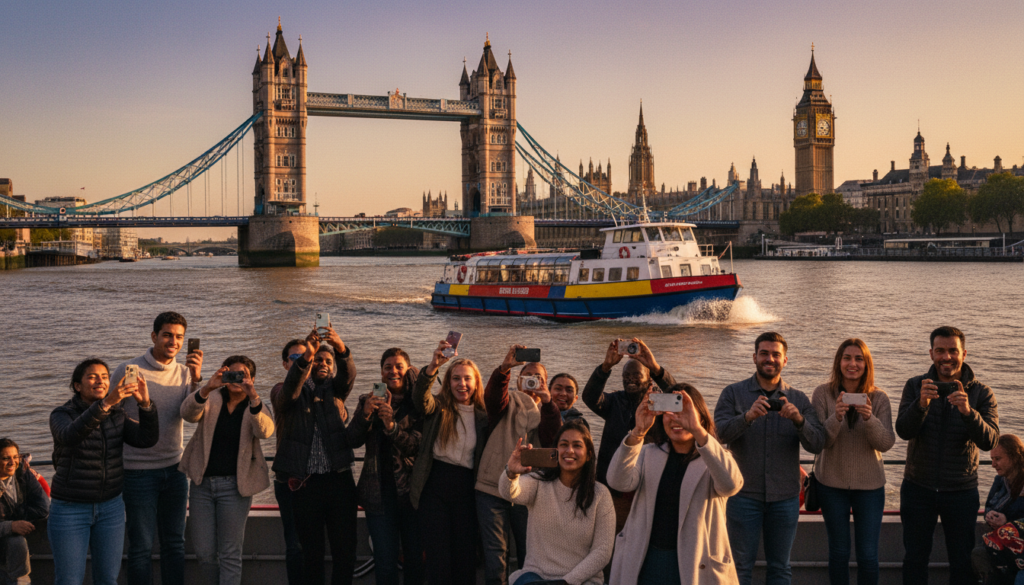
If you want sightseeing that feels effortless, let a guide—or a river—do the heavy lifting.
Thames boat rides double as transport and moving viewpoints. They pass major sights while you relax; good guides (Steve Dziewinski is an example) add stories so the trip stays engaging rather than long.
Walking after a cruise often feels fresher; the route stacks transit and views with almost no fuss.
Jack the Ripper walking tours run after dark through Whitechapel. Options now include “Ripper‑Vision” projections and cost about £16–£25 (Amanda Williams notes operators vary by tone).
Sensitivity matters: choose operators who respect victims and avoid sensationalizing. That keeps the experience honest and thoughtful.
Certain guided experiences justify the price—like a Tower of London early‑access tour with Opening Ceremony and a crown jewels viewing (Amanda Williams recommends booking these for shorter waits).
“A good guide connects the dots so you feel grounded, not rushed.”
| Option | Why Choose | Typical Cost / Tip |
|---|---|---|
| Thames boat | Scenic transit + commentary | £10–£30; pick a guide-led service |
| Jack Ripper tour | Nighttime history with projections | £16–£25; choose sensitive operators |
| Tower early-access | Beat the lines; Opening Ceremony | Premium ticket; book ahead |
- Choose a tour when you want context and saved time.
- Skip guided options when you prefer self-paced photos or a short stop.
Day Trips and Add-Ons Just Outside Central London
One smart add-on can give you either magical sets or Tudor splendor for the day. If you have time beyond central london highlights, choose a plan that fits your pace—shopping and shelter, cinematic wonder, or royal gardens.
Warner Bros. Studio Tour (Leavesden) is an immersive behind‑the‑scenes look at the harry potter world. This is not a quick stop—budget at least 3–4 hours to wander the Great Hall, Diagon Alley, the Forbidden Forest and Dumbledore’s office.
The exhibit celebrates props, costumes and set craft from the harry potter films. If you love detail, linger over small touches that make fans feel like kids again. Consider bundled transport from central london to avoid fussing with connections.
Westfield is a practical, weather-proof add-on—about 350 shops and an adjacent Tube station that makes a lazy afternoon easy. It’s ideal when one person wants retail while others rest.
For a history-forward alternative, visit Hampton Court Palace for Tudor rooms, formal gardens and the Royal Maze. It’s a different pace and perfect for a relaxed day outside the core.
| Option | Why Go | Plan |
|---|---|---|
| Warner Bros. Studio Tour | Sets from harry potter; deep film detail | Allow 3–4 hours; book transport bundle from central london |
| Westfield Shopping | All-weather shopping & dining | 350 shops; uses nearby Tube station for easy returns |
| Hampton Court Palace | Tudor palace, gardens & Royal Maze | Half- or full-day visit; quieter royal alternative |
Conclusion
A short sanity-check will save hours of waiting and leave room for surprises.
I’ll recap the handful of stops that most visitors say deliver the biggest “wow”: an icon shot, one royal site, one deep-history place, a skyline view, a museum cluster, a market day, and a neighborhood wander. This simple checklist helps you decide what to get see without overbooking.
Timing matters: plan ~1.5 hours for Westminster Abbey (photos allowed without flash), 90 minutes for the Houses of Parliament audio tour, 530 steps for St Paul’s climb and 334 for Big Ben. Book those timed entries early to save queues.
Big-name, selfie-forward options like Madame Tussauds (150+ wax figures) are lovely if that fits your style; consider them optional. Think of each tourist attraction as a choice, not an obligation.
If you pace heavy-history mornings with lighter afternoons, leave walking time, and book key slots, your trip will feel energizing—not exhausting. Walk, breathe, and let the city reward your curiosity.
FAQ
What are the must-see highlights for a first visit to London?
I recommend starting with a handful of iconic stops that capture the city’s sweep: the Tower of London to see the Crown Jewels, Westminster Abbey for royal history, Buckingham Palace for the ceremonial pageantry, and the London Eye for panoramic skyline views. Pair those with a stroll across Tower Bridge and a quick visit to Covent Garden for food and street performance—this mix gives you history, spectacle, and everyday city life.
How much time should I plan for the Tower of London and nearby sights?
Allow at least three hours for the Tower of London if you want the full experience—Yeoman Warder tours, the Crown Jewels, and the medieval towers. If you plan to add Tower Bridge, the riverside walk, and a museum or two nearby, make it a half-day to feel unrushed.
Where can I get the best views of the skyline beyond the London Eye?
For sweeping vistas, I love the Sky Garden at 20 Fenchurch Street (free with advance booking), the Shard’s observation deck for a high-altitude panorama, and Greenwich Park for a classic riverside view that frames the city. Each spot offers a different light and perspective—early morning or twilight is especially rewarding.
Are Churchill War Rooms worth visiting for someone interested in World War II history?
Absolutely. The Churchill War Rooms are an intimate, atmospheric look at wartime leadership—original rooms, maps, and soundscapes bring stories to life. Combine the visit with nearby Westminster Abbey and the Houses of Parliament for a concentrated history walk.
Which museums should I choose if I only have time for two?
If you value art and history, pick the British Museum for its global collections and the Victoria and Albert Museum for design and decorative arts. For science and natural history lovers, the Natural History Museum and the Science Museum, both in South Kensington, offer immersive galleries that are great with kids.
Can I visit major sites with children—what’s family-friendly?
Yes—many sites welcome families. The Tower of London has hands-on displays and stories that fascinate kids; the Natural History Museum features interactive exhibits; and boat rides on the Thames feel like an adventure. Look for family audio guides and activity trails to keep little ones engaged.
What markets and food areas should I build a day around?
Borough Market is a food lover’s paradise—artisan stalls, street eats, and seasonal finds. Camden Market offers eclectic shopping and international street food. For a charming food-and-fashion mix, head to Portobello Road Market in Notting Hill or the stalls around Covent Garden for snacks and people-watching.
Which neighborhoods feel cinematic or link to film history, like the Harry Potter sites?
Notting Hill, Shoreditch, and Covent Garden all have cinematic vibes—colorful streets, murals, and film-friendly corners. For Harry Potter fans, the Warner Bros. Studio Tour near Watford is the must-see; in central areas, King’s Cross (Platform 9¾ photo spot) and Leadenhall Market (Diagon Alley inspirations) make great stops.
What’s the easiest way to combine seaside day trips or nearby historic towns with a London stay?
Trains from Paddington, King’s Cross, and Waterloo open up easy day trips: Oxford and Cambridge for academics and architecture, Bath for Roman baths and Georgian streets, and Windsor for the castle. Book train tickets in advance for savings and to make the most of your day.
How do guided tours and river cruises enhance sightseeing?
Guided walks and boat rides add context and efficiency—you’ll hear stories that link sites together and skip some navigation time. A Thames cruise offers a relaxing way to see many riverside landmarks, while walking tours—literary, royal, or crime-themed—turn neighborhoods into narrative-rich experiences.
What are practical tips for saving time and money on entry tickets?
Buy timed-entry tickets online in advance for high-demand sites like the Shard, London Eye, and the Warner Bros. Studio Tour. Consider a city pass only if you plan multiple paid entries; otherwise, prioritize the experiences that matter most to you. Arrive early to avoid crowds and book guided tours that include fast-track access when available.
Where should I go for green spaces and a quiet break from sightseeing?
Hyde Park and Kensington Gardens offer broad lawns and lakes for a restorative pause. Regent’s Park has manicured gardens and the London Zoo if you’re traveling with kids. For a hillside view and historic charm, Greenwich Park is peaceful and frames the city beautifully.
How can I experience royal traditions beyond Buckingham Palace?
Watch the Changing of the Guard at Buckingham Palace for ceremony. Then explore royal history at Westminster Abbey, and visit Kensington Palace to see royal apartments and exhibitions. Stroll the Mall and the surrounding parks to feel the ceremonial route and royal presence.
Are there nighttime activities or illuminated landmarks worth seeing?
Evening brings a different magic—Westminster and the riverfront glow, the Houses of Parliament reflect on the Thames, and a night ride on the London Eye shows sparkling city lights. Theatre in the West End and late museum openings on select days extend your cultural hours.