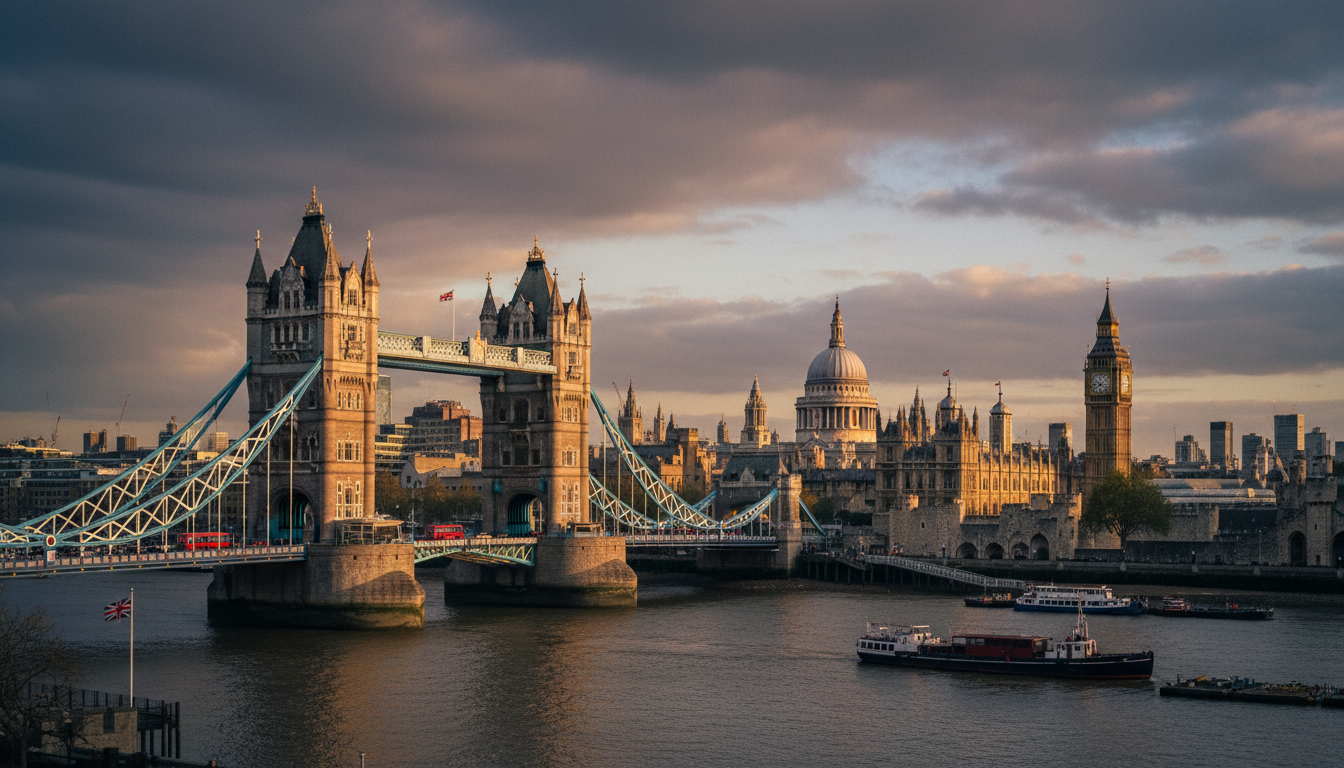
Main Attractions in London offer a journey through 2,000 years of history in one city. From Roman ruins hidden beneath modern streets to Victorian wonders still in use, London’s landmarks tell stories that span centuries.
Stand where Roman soldiers guarded Londinium in 43 AD. Walk the streets medieval merchants used. Today, these paths lead to landmarks that have seen coronations and world-changing events.
Big Ben and the Houses of Parliament stand tall over the Thames. Their Gothic design was rebuilt after an 1834 fire. Since 1859, Big Ben’s bells have marked time, even during the Blitz.
Tower Bridge shows Victorian ambition. Cross it and follow Edward VII’s steps from 1894. Its design won an 1876 competition to link London’s docks.
The London Eye may seem new, but it’s already part of London’s history. Buckingham Palace still hosts the Changing of the Guard, a tradition since 1660. These main attractions in London don’t just keep history alive; they live it every day.
Key Takeaways
- London’s history stretches back over 2,000 years to its Roman founding as Londinium
- Westminster Hall features original timber beams from 1393, surviving the 1834 palace fire
- Big Ben’s iconic clock tower was completed in 1859 with bells first ringing on September 7
- Tower Bridge opened in 1894, designed by Horace Jones and John Wolfe Barry after an 1876 competition
- Many attractions combine ancient architecture with modern functionality, creating living history
- Roman ruins, medieval structures, and Victorian engineering can all be explored in a single visit
Royal Palaces and Castles
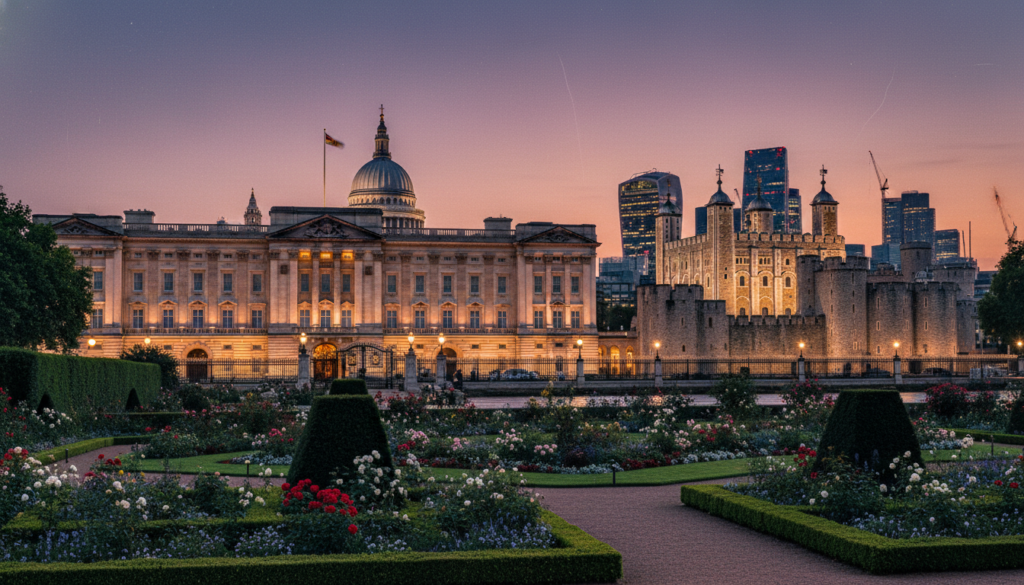
London’s royal palaces and castles take you back in time. They were once fortresses, royal homes, and symbols of power. Each one has its own story of monarchs, prisoners, and key moments in history.
Tower of London
The Tower of London is a famous royal palace and castle. William the Conqueror built it in the 1070s. For nearly 900 years, it had many roles.
Inside, you can see the White Tower, a 90-foot tall tower with four turrets. It was built from Kentish ragstone. Famous prisoners like Anne Boleyn and Sir Walter Raleigh were held here. Today, you can see the Crown Jewels and meet the Beefeaters.
Kensington Palace
Kensington Palace became royal in 1689 when King William III bought it. Christopher Wren made it a beautiful home for royalty. Queen Anne, George I, and Queen Caroline all lived here.
George I added stunning state rooms. Queen Caroline created beautiful gardens that you can still enjoy today.
Hampton Court Palace
Hampton Court Palace shows Tudor grandeur. Cardinal Thomas Wolsey first leased it in 1514. Henry VIII then spent a lot on renovations.
You’ll see magnificent state apartments, the famous Great Hall, and historic kitchens. These kitchens once prepared feasts for hundreds.
Windsor Castle
Windsor Castle is the oldest occupied castle in the world. It’s still a royal residence. You can tour the State Apartments and visit St. George’s Chapel, where many monarchs are buried.
The castle’s Round Tower offers great views of the Thames Valley.
The Banqueting House is special. It’s the only building left from Whitehall Palace, which burned down in 1698. It saw historic events, including Charles I’s execution and Oliver Cromwell’s home from 1654 to 1658.
| Palace/Castle | Built/Acquired | Key Feature | Visitor Highlight |
|---|---|---|---|
| Tower of London | 1070s | White Tower | Crown Jewels |
| Kensington Palace | 1689 | State Rooms | Royal Exhibitions |
| Hampton Court Palace | 1514 | Tudor Kitchens | Great Hall |
| Windsor Castle | 11th Century | Round Tower | State Apartments |
| Banqueting House | 1622 | Rubens Ceiling | Historic Interiors |
World-Class Museums
London’s museums are world-renowned for their incredible collections. They draw millions of visitors each year. You can see ancient civilizations, dinosaur skeletons, and artistic treasures for free at most places.
These museums offer educational experiences. They bring history, science, and art to life with interactive displays and expertly curated exhibitions.
British Museum
The British Museum is one of the world’s greatest cultural institutions. It houses over eight million objects from ancient times to the present. The Rosetta Stone is a highlight, showing how Egyptian hieroglyphics were decoded.
Free audio guides are available to help you explore. You’ll see Assyrian lion sculptures and Egyptian mummies in the galleries.
Natural History Museum
The Natural History Museum offers an unforgettable journey through Earth’s history. A massive dinosaur skeleton greets you in the main hall. You’ll see rare gems and preserved specimens collected by Darwin.
Victoria and Albert Museum
The Victoria and Albert Museum showcases 3,000 years of decorative arts and design. You’ll see Chinese ceramics, Indian textiles, and European sculptures. Medieval armor and contemporary fashion are displayed side by side, creating interesting contrasts.
Science Museum
The Science Museum showcases innovations that changed our world. Interactive galleries make science easy to understand. You’ll see space rockets, vintage cars, and early computers.
The Imperial War Museum nearby explores military conflicts. It shows how war shapes society through powerful exhibitions.
Renowned Art Galleries
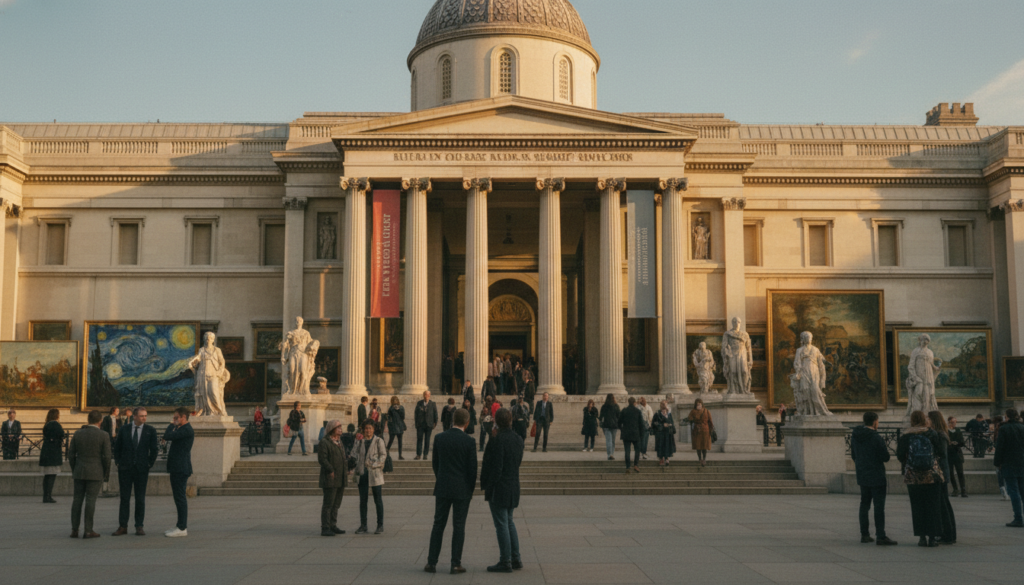
London’s art scene is alive with creativity. You’ll find world-famous collections in its top art galleries. These places show off art from the Renaissance to today’s trends. They let you see the beauty of human creativity for free.
National Gallery
At the National Gallery in Trafalgar Square, you’ll see over 2,300 paintings. They span from the 13th to the early 20th centuries. You’ll find works by Leonardo da Vinci, Vincent van Gogh, and Claude Monet.
Walking through the rooms, you’ll see European masterpieces. Each painting tells a story with its colors and brushstrokes.
Tate Modern
The Tate Modern is in a former power station. It’s Britain’s top spot for modern art. You’ll see works by Pablo Picasso, Andy Warhol, and Salvador Dalí.
The gallery’s turbine hall has big installations. These change every year, offering something new to see.
Tate Britain
Tate Britain takes you through 500 years of British art. You’ll see works from Tudor times to now. It has the biggest collection of J.M.W. Turner’s art.
Turner’s landscapes and seascapes fill a whole wing. They show his skill in capturing light and atmosphere.
National Portrait Gallery
The National Portrait Gallery brings history to life with faces. You’ll see portraits of monarchs, writers, scientists, and celebrities. From Tudor times to today, each piece shows the people who shaped British culture.
Historic Churches and Cathedrals
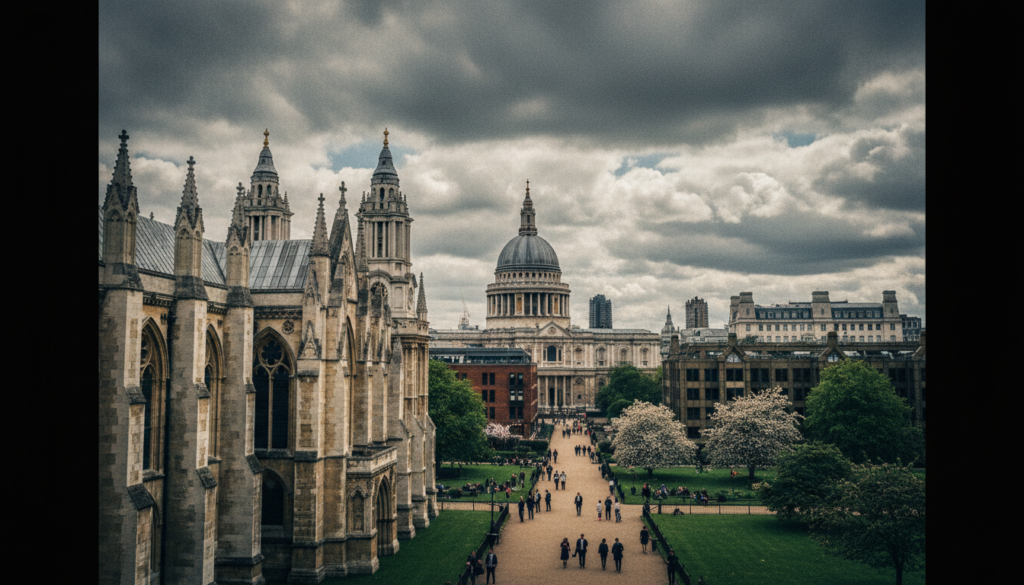
London’s skyline is dotted with magnificent spires and domes. These buildings have seen centuries of British history. They are more than just places of worship; they are windows into the nation’s past.
From coronations to state funerals, these churches and cathedrals have hosted key moments. They showcase royal ceremonies, architectural wonders, and national heritage.
Westminster Abbey
Westminster Abbey is Britain’s coronation church, where monarchs have been crowned since 1066. The Coronation Chair, made in 1300-1301, once held Scotland’s Stone of Scone. This Gothic masterpiece also houses Poets’ Corner, where famous writers like Charles Dickens and Geoffrey Chaucer are buried.
Every stone in Westminster Abbey tells a story of British sovereignty and culture.
St Paul’s Cathedral
Sir Christopher Wren’s St Paul’s Cathedral took 35 years to complete. It stands atop Ludgate Hill. The cathedral survived the Blitz and became a symbol of London’s strength.
You can climb 528 steps to the Golden Gallery for stunning views. The cathedral’s famous dome was redesigned twice before its 1710 approval.
Southwark Cathedral
Southwark Cathedral offers a quieter spot along the Thames South Bank. This Gothic church is over 1,000 years old. It has stunning stained glass windows showing scenes from Shakespeare’s plays.
The cathedral is a peaceful escape from the crowds at Borough Market nearby.
Temple Church
Temple Church takes you back to medieval London. Its distinctive round nave was built by the Knights Templar in 1185. The church has effigies of crusader knights and survived the Great Fire and World War II bombing.
Its unique circular design makes it one of only four such churches in England.
Parks and Gardens
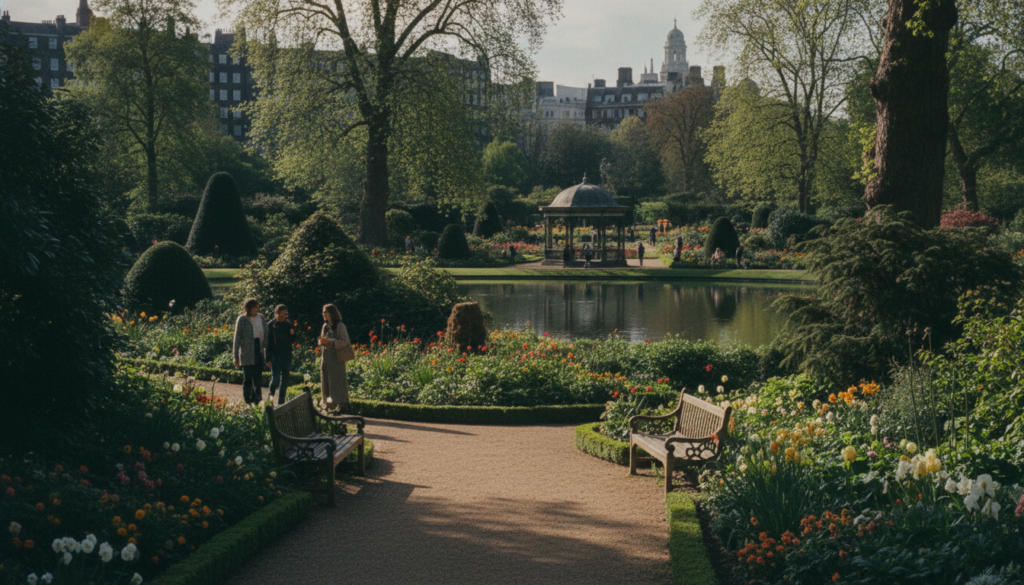
London’s green spaces offer peaceful retreats from the city’s hustle and bustle. These parks and gardens have been royal hunting grounds, wartime shelters, and now places for recreation. You’ll find historic landscapes, botanical treasures, and scenic spots for picnics or walks.
Hyde Park
Hyde Park covers 350 acres in central London. In summer, you can rent pedal boats on Serpentine Lake. The Italian Gardens on the north side have Victorian-era fountains and sculptures for photos.
You can enjoy open-air concerts at the Bandstand or relax on the grass. Watch locals play cricket while you unwind.
Regent’s Park
Regent’s Park spans 395 acres. It has Queen Mary’s Rose Garden with over 12,000 roses in summer. You can take boat rides on the lake or visit ZSL London Zoo.
Canal boats leave from here to Camden Market and Little Venice. It’s a great place to start exploring London’s biggest attractions.
Kew Gardens
Kew Gardens is a UNESCO World Heritage Site covering 326 acres. It showcases over 50,000 plant species. Victorian glasshouses and treetop walkways let you explore diverse ecosystems.
Kew Gardens requires tickets, but it’s worth it. The collection of rare plants and historic Kew Palace are highlights.
St James’s Park
St James’s Park is between Buckingham Palace and Horse Guards Parade. It displays thousands of daffodils in spring. Pelicans have lived here since 1664, and the central lake attracts waterfowl all year.
You’ll see government buildings while feeding the ducks. It’s a great spot for views and relaxation.
Markets and Shopping Destinations
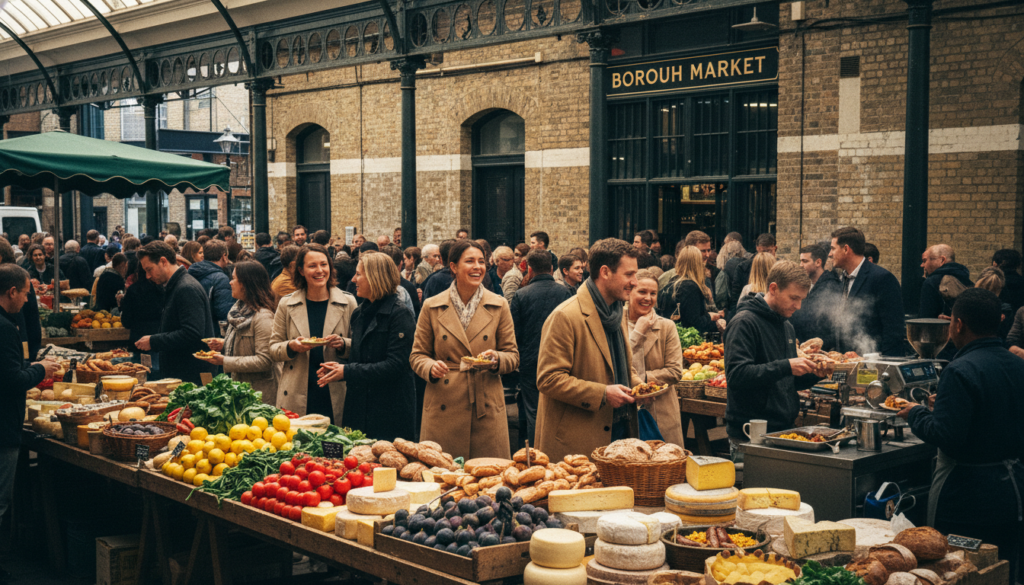
London’s markets and shopping spots are a mix of history, culture, and commerce. You’ll find old food halls and new street markets. These places show London’s varied side. You can find unique items, try international foods, and feel the city’s real vibe.
Borough Market
Borough Market is one of London’s oldest and favorite food markets. It’s over 1,000 years old. You’ll see artisanal cheeses, fresh produce, and gourmet foods from all over.
The market’s Victorian iron and glass building adds to the experience. It’s open Wednesday to Saturday. Here, chefs and casual shoppers find top-notch ingredients and tasty foods.
Camden Market
Camden Market is full of alternative culture and creativity. You can find vintage clothes, handmade jewelry, and unique art. Street performers add to the fun.
The market has several areas, each with its own vibe. Food stalls offer everything from Venezuelan arepas to Japanese street food. It’s great for those who love to try new things.
Covent Garden
Covent Garden turns the market into a fancy shopping and entertainment area. You can shop in a 19th-century market building while watching street performers. Designer shops and craft stalls offer something for everyone.
Portobello Road Market
Portobello Road Market is a hit with antique hunters and bargain seekers on Saturdays. You can find everything from Victorian jewelry to mid-century furniture. The market stretches for nearly two miles in Notting Hill.
Theatre and Entertainment
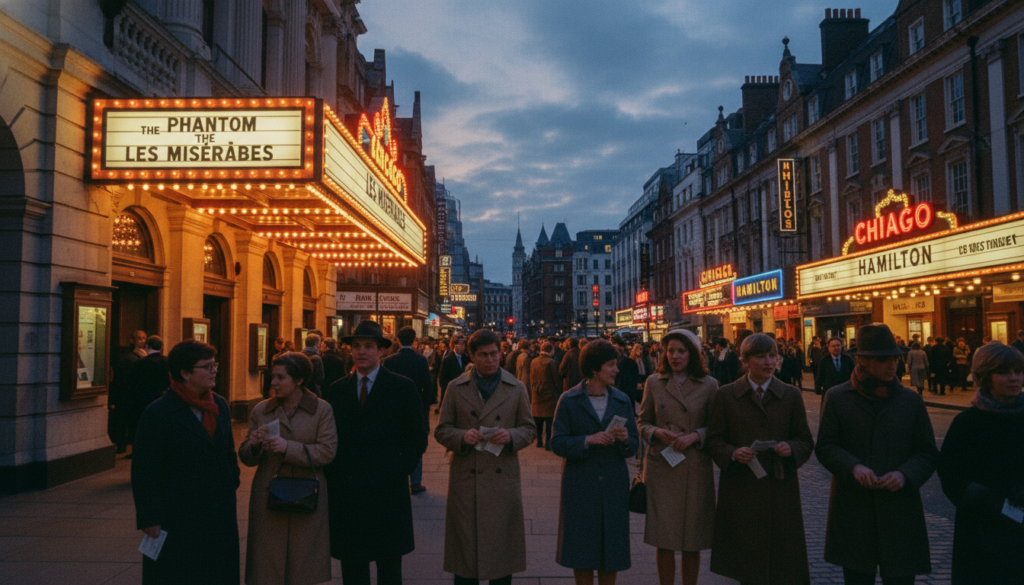
London’s theatre and entertainment scene is vibrant and unforgettable. It spans centuries of performing arts. You can see everything from Shakespearean dramas to modern shows. London has something for everyone, from classic musicals to new productions at the Globe Theatre.
West End Theatre District
The West End Theatre District is a top spot for theatre. It has over 40 theaters, some dating back to the 1600s. The oldest, Theatre Royal Drury Lane, has been open since 1663.
Shaftesbury Avenue alone has six major theaters. The Palace Theatre is home to Harry Potter and the Cursed Child.
Shakespeare’s Globe
The Shakespeare’s Globe takes you back to Elizabethan England. Its open-air design is a faithful recreation of the original 1599 playhouse. In summer, you can watch Shakespeare’s works as 16th-century audiences did.
Royal Albert Hall
Since 1871, the Royal Albert Hall has hosted over 150,000 events. It’s a Victorian venue with stunning architecture and great acoustics. It’s famous for the BBC Proms festival.
Southbank Centre
The Southbank Centre is Europe’s largest arts center. It has multiple venues along the Thames. You can see music, dance, literature, and visual arts exhibitions here.
| Venue | Capacity | Year Established | Notable Features |
|---|---|---|---|
| London Coliseum | 2,359 | 1904 | Home to English National Opera |
| London Palladium | 2,286 | 1910 | Famous variety shows venue |
| Globe Theatre | 1,570 | 1997 (reconstruction) | Open-air performances |
| Arts Theatre | 350 | 1927 | West End’s smallest venue |
Family-Friendly Attractions
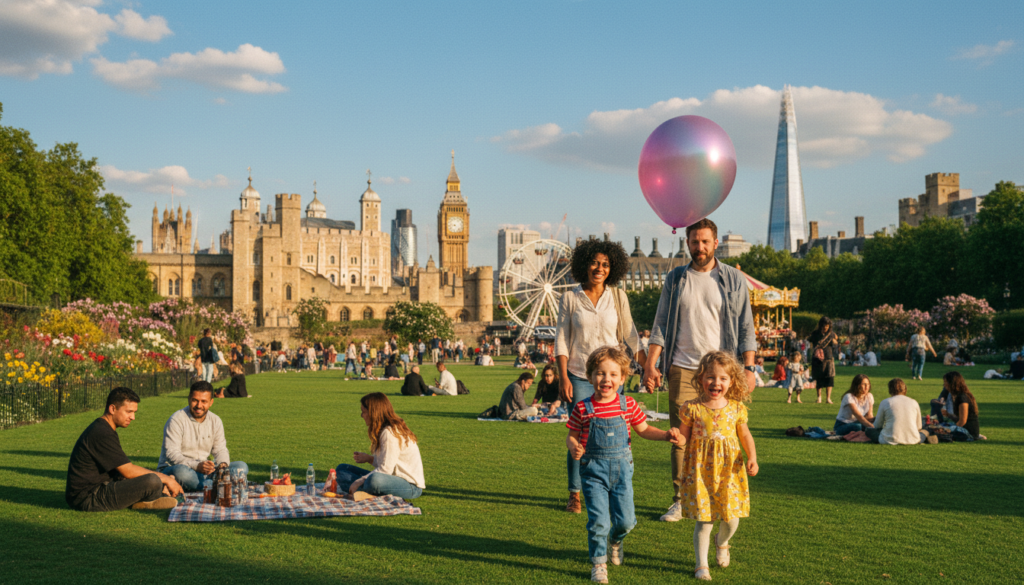
London is full of amazing experiences for all ages. You can meet exotic animals or explore magical film sets. These attractions are both fun and educational, making your trip unforgettable.
London Zoo
At London Zoo, you’ll see over 750 species. It’s one of the oldest zoos in the world. Located in Regent’s Park, it has interactive exhibits like *Land of the Lions* and *In with the Lemurs*.
Your kids will enjoy the daily animal talks and feeding sessions. These make learning about wildlife exciting.
SEA LIFE London Aquarium
SEA LIFE London Aquarium takes you underwater. You’ll see sharks, rays, and tropical fish in 14 themed zones. The glass tunnel walkway gives you stunning views of marine life.
Your family can touch starfish and crabs in the interactive rockpool experience. It’s a unique way to learn about marine life.
Madame Tussauds
Madame Tussauds lets you meet wax figures of famous people. You can take photos with them. The attraction also has a Marvel Super Heroes 4D movie and the *Spirit of London* ride.
Warner Bros Studio Tour
The Warner Bros Studio Tour shows you the magic of Harry Potter. You’ll see real sets, costumes, and props from the movies. It’s a journey through the wizarding world that fascinates everyone.
Tips for Visiting Main Attractions in London
When planning your trip to London’s historical sites, timing and booking ahead are key. Get tickets for the Houses of Parliament online to see Westminster Hall and witness British democracy. Big Ben and Trafalgar Square are busy, so get there early for photos and shorter lines.
The Churchill War Rooms need at least 90 minutes to fully explore. These bunkers include the Cabinet Room and the secret broadcasting studio where Winston Churchill made important speeches.
London’s sites tell stories of different times. The Jewel Tower, built in 1365, survived a 1834 fire that destroyed much of Westminster Palace. The Monument to the Great Fire is 200 feet tall and marks where the 1666 fire started. You can climb its 300 stairs for views.
The Roman Mithraeum dates back to AD 240-250 and shows ancient Roman practices. HMS Belfast, launched in 1938, fought in World War II and the Korean War before becoming a museum ship in 1971.
Booking combination tickets is a smart move for visiting London’s main attractions. Many sites offer family passes and student discounts. The London Pass covers over 80 attractions, including the Houses of Parliament, and can save you money.
Check opening times since some sites close early on certain days. Trafalgar Square and Big Ben are free to view from the outside. Wear comfortable shoes for the miles of walking you’ll do exploring these historic sites.
FAQ
What are the must-see iconic landmarks in London?
Don’t miss Big Ben and the Houses of Parliament. You can book tours to see Westminster Hall and the government center. Tower Bridge, opened in 1894, has exhibitions and offers great views.
The London Eye gives you amazing city views. Buckingham Palace shows the royal heritage. Trafalgar Square is a great place to start your sightseeing.
How much time should I allocate for visiting the Churchill War Rooms?
Spend at least 90 minutes at the Churchill War Rooms. This underground complex was built in 1939. It has the Cabinet War Rooms, a map room, and a Broadcasting Studio.
There’s also a Transatlantic Telephone Room and an Annexe with secret tunnels. It’s a deep dive into history.
Which royal palaces can I visit in London?
London has many royal palaces to see. The Tower of London was built in the 1070s. Kensington Palace has state rooms and gardens.
Hampton Court Palace shows Henry VIII’s renovations. The Banqueting House is the only part of Whitehall Palace left.
What family-friendly attractions does London offer?
London has lots for families. The British Museum has special itineraries for kids. The Imperial War Museum has WWI trenches for kids.
Warner Bros Studio Tour has Harry Potter sets. The London Dungeon and Madame Tussauds are interactive. SEA LIFE London Aquarium and London Zoo are great for animal lovers.
How old is St. Paul’s Cathedral and can visitors climb the dome?
St. Paul’s Cathedral took 35 years to build and was finished in 1726. Yes, you can climb to the dome for city views. It’s a key church for the City of London.
What makes Leadenhall Market special for Harry Potter fans?
Leadenhall Market was used for Diagon Alley in Harry Potter. It’s a 14th-century market with Victorian charm. It’s a favorite spot for both Harry Potter fans and history buffs.
Which museums in London offer free admission?
The British Museum, Victoria and Albert Museum, and Natural History Museum offer free entry. The Science Museum, Imperial War Museum, National Gallery, Tate Modern, Tate Britain, and National Portrait Gallery also have free permanent collections.
What historic churches should I visit besides Westminster Abbey?
St. Paul’s Cathedral and Southwark Cathedral are must-sees. Temple Church has unique architecture and knight effigies. Each church offers a different look into London’s history.
When was the Globe Theatre reconstructed and what can visitors experience there?
The Globe Theatre was rebuilt in 1997. It offers Elizabethan theater experiences. You can watch Shakespeare’s plays as they were performed back then.
The venue has exhibitions on Shakespeare and the original Globe. It’s a piece of history.
What wartime attractions tell the story of London during WWII?
The Churchill War Rooms and HMS Belfast tell London’s WWII story. The Imperial War Museum has exhibits on WWI and WWII. London’s parks also have WWII history, like Greenwich’s tunnels.