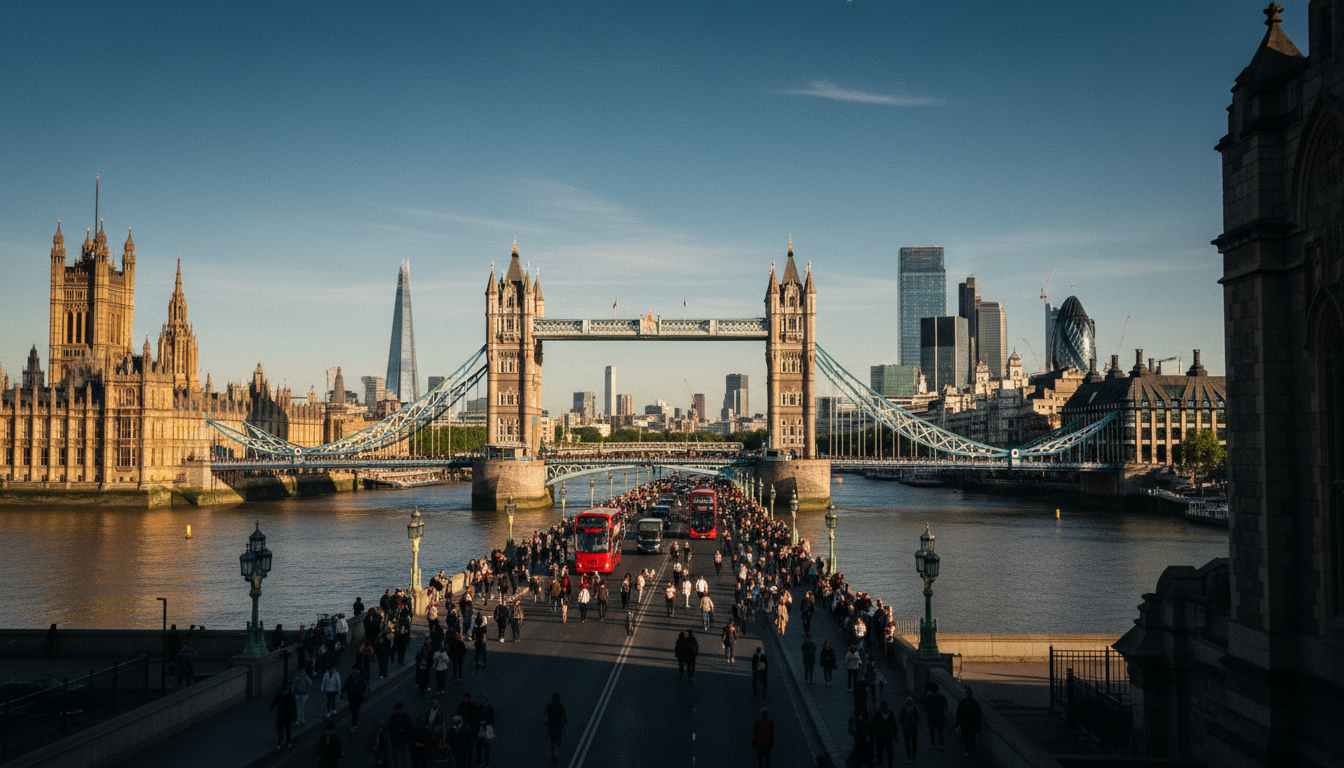
Ready to rethink your trip plans? Have you ever wondered which sights truly deserve your limited time in a huge, fast-moving capital— and which you can skip? 🤔
This short guide helps you group things by neighborhood, so you stop zig-zagging across the map and start enjoying the city. Pick 2–3 anchor things per day, then add a flexible stop like a park or market.
We cover landmarks, free museums, markets, skyline views, and tours that actually feel worth it for first-timers. Note the booking reality today: many timed tickets sell out, so book ahead for big sights.
For budget travel, balance paid icons with free world-class museums and green spaces. For US travelers, aim mornings for major sights to beat jet lag, and save nightlife later in the week.
By the end, you’ll know which attractions in the city are worth your time—and which to skip or upgrade.
Key Takeaways
- Group sights by neighborhood to save travel time.
- Book timed tickets early—popular things sell out fast.
- Mix paid icons with free museums to stretch your budget.
- Pick 2–3 anchors per day and add one flexible stop.
- Use mornings for big sights to handle jet lag better.
Famous Attractions in London: the must-see sights worth your time today
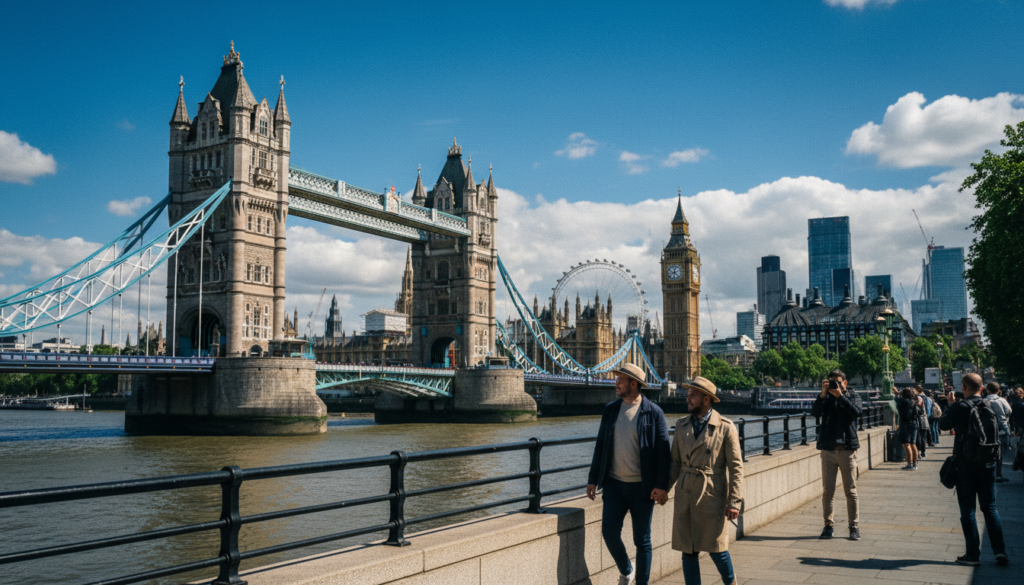
When time is tight, a simple plan separates bucket-list wins from wasted hours. Decide what “must-see” means for you: first trip vs. repeat visit, family-friendly vs. history-heavy, or a relaxed day with parks and markets.
Quick decision framework: if this is your first time, lock one royal/history site, one skyline view, one museum, and one market. That combo covers varied things that give a full city experience.
Real travel time matters: places look close on a map but take longer during peak commuter hours. Factor transit, lines, and short breaks when you plan every day.
Booking matters. Timed entry tickets and tours often save hours. Some guided tours add early access or after-hours perks that change the whole visit.
- Worth it signals: unique history, unbeatable views, or one-of-a-kind interiors.
- Maybe skip: pricey, too crowded, or a near-duplicate of a nearby place.
Budget tip: mix free museums, parks, and markets for a packed day, then spend on one paid anchor ticket. Guided tours shine for complex history or ceremonies; go self-guided for museums or easy walking routes.
Mini checklist: where to go, how long to stay, and whether to buy tickets in advance.
Tower of London and Tower Bridge: London’s most iconic history duo
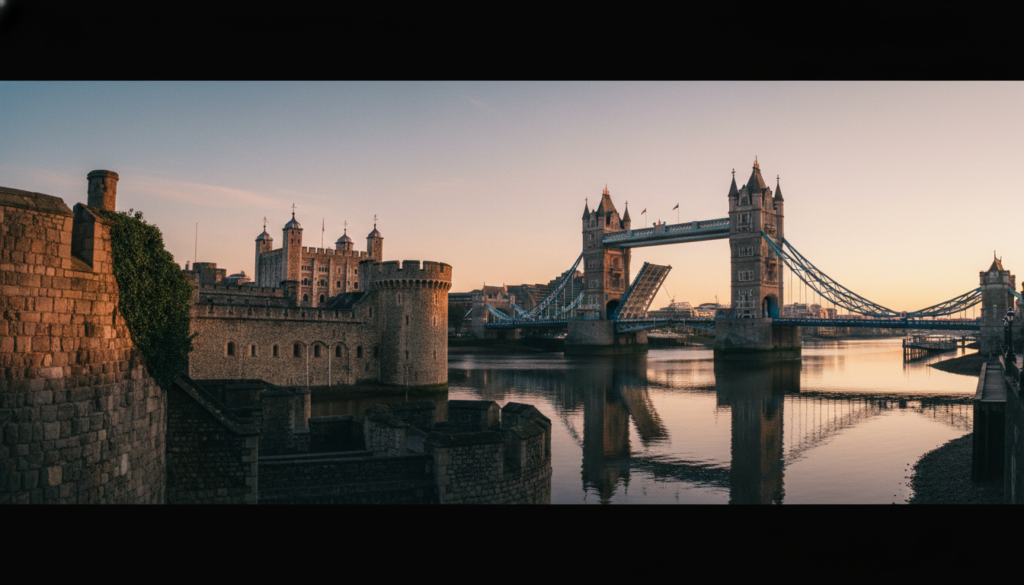
Start your day where royal drama and industrial daring meet: the Tower of London and Tower Bridge make a perfect pair.
Plan a two-in-one morning: arrive early at the tower london (conceived in 1066) so you have time for the White Tower (built 1078) and the Crown Jewels. Allow at least a couple hours—many visitors spend more.
The Yeomen Warder tours bring the stories to life: prisoners, the Bloody Tower, and the ravens keep kids and adults hooked. Consider an early-access tour to beat lines for the jewels and save time.
- Tower Bridge Exhibition: go inside the Neo-Gothic towers, walk the skywalks and test the glass floor for dramatic photos.
- Costs & tickets: expect about £35 for the fortress and ~£16 for the bridge; buy tickets ahead, especially on weekends.
Best photo tip: river level captures the full bridge; the skywalk offers unique skyline shots.
Wrap up with a slow stroll along the Thames Path and a riverside snack to keep the day family-friendly and well paced.
Westminster landmarks that define the UK capital
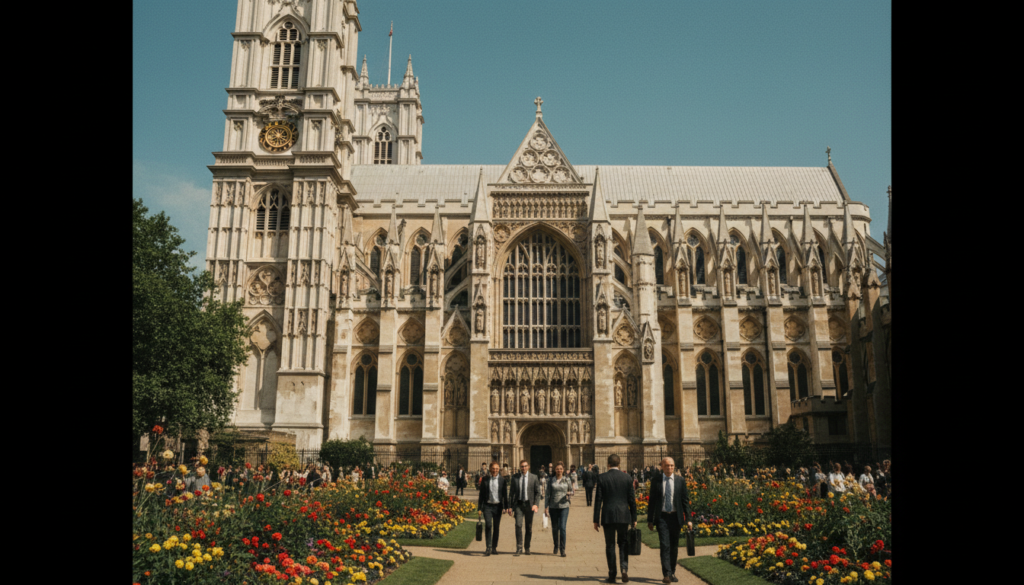
Westminster condenses centuries of national story into a few streets you can explore on foot.
Why go: Westminster Abbey is a UNESCO site where coronations have happened since 1066. It’s more than a church—it’s a living timeline of coronations, famous burials, and public memory.
Inside highlights: don’t miss the Henry VII Lady Chapel, Poet’s Corner, and tombs of Elizabeth I, Newton, Darwin, and Dickens. Photos without flash are allowed, and the spaces feel surprisingly personal.
- Timing & tickets: plan ~90 minutes and buy tickets in advance (timed ticket ~£30). Use an audio guide if you want context without a full tour.
- Crowd-smart tip: go early on a weekday to avoid groups and school trips.
- Optional upgrade: add the Churchill War Rooms (timed ticket ~£33) for WWII context and a gripping contrast to royal history.
Photo plan: shoot Parliament from Westminster Bridge, then capture quieter shots around side streets near the Abbey.
| Site | Approx Time | Quick Ticket Note |
|---|---|---|
| Westminster Abbey | About 90 minutes | Timed ticket ~£30 — buy tickets ahead |
| Houses of Parliament & Big Ben (exterior) | 30–45 minutes | Some entry tours available on select dates |
| Churchill War Rooms | 60–90 minutes | Timed ticket ~£33 — great paired tour |
Westminster links easily to the Thames, nearby parks, and the West End—so you can move from historic places to evening shows without wasting time.
Royal London experiences around Buckingham Palace and Kensington
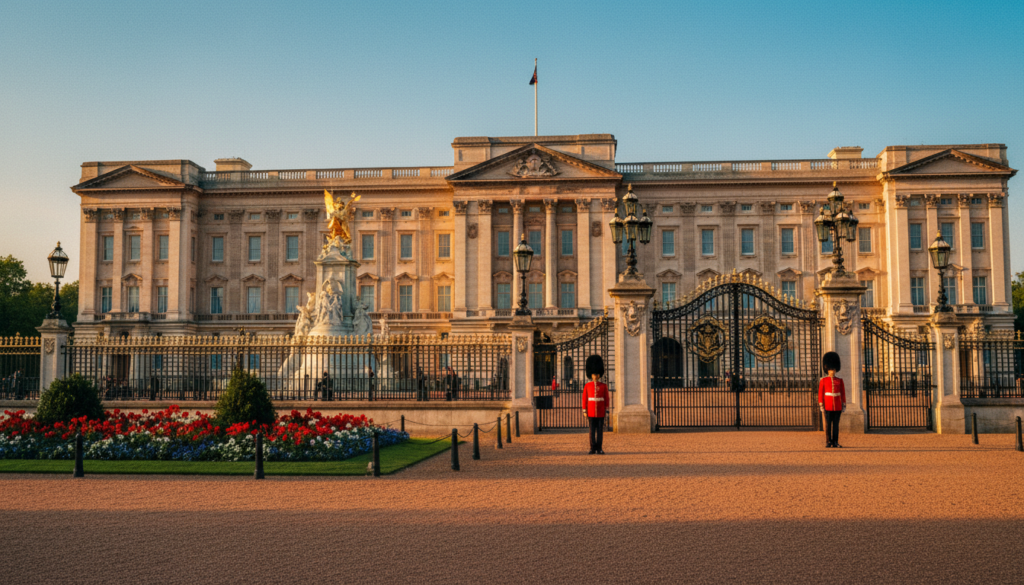
Plan a royal-themed half-day that gives you palace views without losing the whole afternoon.
Start with Buckingham Palace exteriors and a quick stroll down The Mall. The building dates to 1703 and became the monarch’s official London residence in 1837.
The Changing of the Guard is iconic but crowded. If you’re on a budget or short on time, skip the crush and head into Green Park or St James’s Park for postcard views and calm paths.
Next, move west to Kensington Palace and nearby gardens. Pair the palace stop with Hyde Park/Kensington Gardens for an easy, scenic half-day that suits families.
Make afternoon tea part of the plan: traditional tea offers scones and finger sandwiches; themed tea adds playful extras for kids. Book tickets early—popular slots sell out.
| Place | What to expect | Typical price |
|---|---|---|
| Buckingham Palace (exterior) | Photos, The Mall stroll | Free |
| Kensington Palace + gardens | Historic rooms, relaxed park walk | From £20 |
| Afternoon tea picks | Swan (~£42+), Ampersand science tea (~£60/£40), Lanesborough splurge (~£89+) | £42–£89+ |
Sample royal day: palace photos → park stroll → museum or shopping → afternoon tea.
London museums for art, history, and families (many are free)
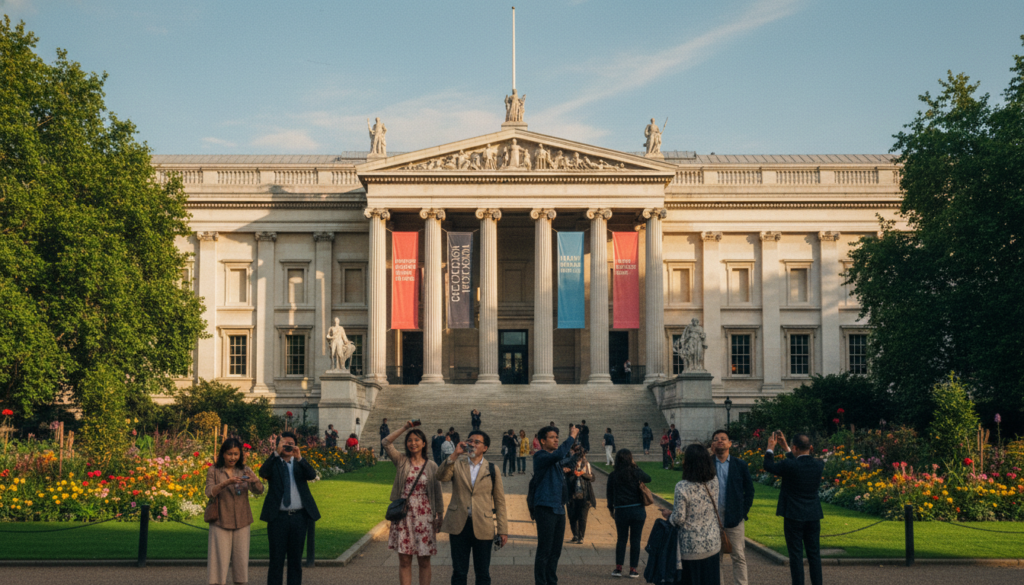
When the weather turns or you need a budget win, museums are your best indoor play.
Many top museum entries are free, so they stretch your budget while packing a day with things to remember. For ancient artifacts, head to the British Museum (book a visit time online). For classic paintings, reserve the National Gallery slot.
The Natural History Museum is a reliable hit for kids — dinosaurs and hands-on displays keep people engaged for an hour or more. The Victoria and Albert shows design and style; Tate Modern serves modern art and rooftop views.
- Quick picker: British Museum — artifacts; National Gallery — paintings; Natural History — family fun; V&A — design; Tate Modern — contemporary art.
- Realism tip: free museums may still ask for timed entry or tickets for special exhibits.
- Crowd strategy: aim for weekday mornings and avoid weekend mid-day for calmer visits.
Museums are the perfect swap-in when outdoor plans change—easy to add to your daily itinerary and simple to bundle by area (South Kensington, Trafalgar Square, South Bank).
St Paul’s Cathedral and skyline views in the City of London
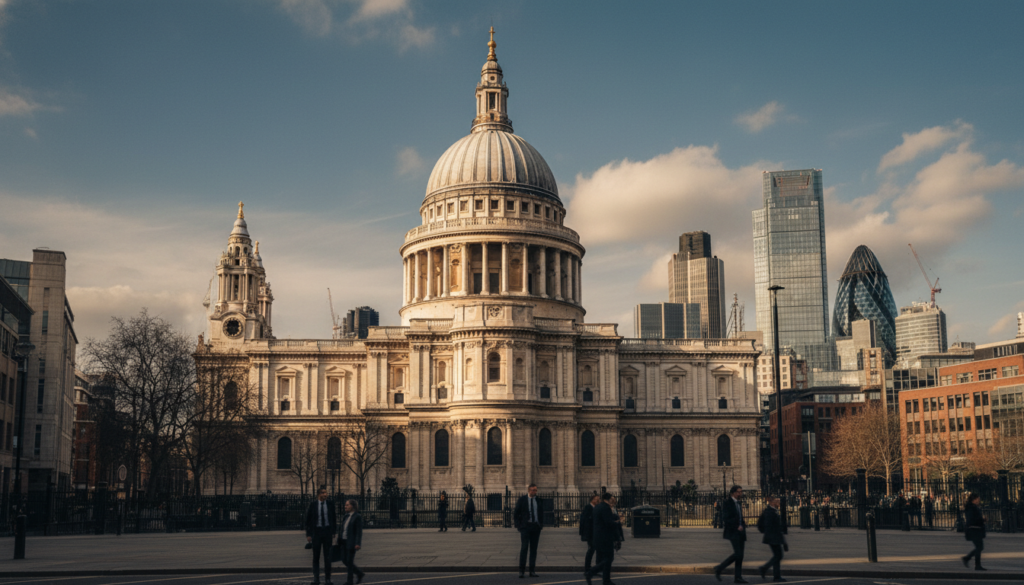
A stroll across Millennium Bridge reveals the cool symmetry of St Paul’s Cathedral and the walkable city around it.
Sir Christopher Wren rebuilt the cathedral after the Great Fire; the dome soars 365 feet and famously survived the Blitz. That mix of resilience and design is why the building matters to British history.
Plan your visit: a standard ticket (about £26) includes an audio guide. If you have the energy, climb the 530 steps for a top-level view—allow extra time for the ascent and photos.
Want a budget option? Attend a service to experience the interior for free. Or pair the cathedral with Sky Garden on the “Walkie-Talkie” for a high-impact, often-free skyline stop—book that one ahead.
Best approach: cross Millennium Bridge for the classic front-on reveal, then walk riverside toward a nearby café to round out a half-day.
- Why go: Wren’s masterpiece, royal moments (Charles & Diana), and a dome that defines the skyline.
- Quick tips: buy tickets online, use the audio guide, reserve Sky Garden early.
- Timing: cathedral + viewpoint + a riverside stop fits a relaxed half-day.
| Stop | What to expect | Notes |
|---|---|---|
| St Paul’s Cathedral | Interior, audio guide, dome climb | Ticket ~£26; services free |
| Sky Garden | Free public garden and views | Must book in advance; food/drinks available |
| Millennium Bridge & Thames walk | Classic views and riverside cafés | Great photo route; easy to extend toward the South Bank |
For practical visitor details and opening times, see St Paul’s Cathedral visitor details. From here, it’s a short riverside hop to classic Thames views and the next section of your itinerary.
Best city views and classic sightseeing experiences on the Thames
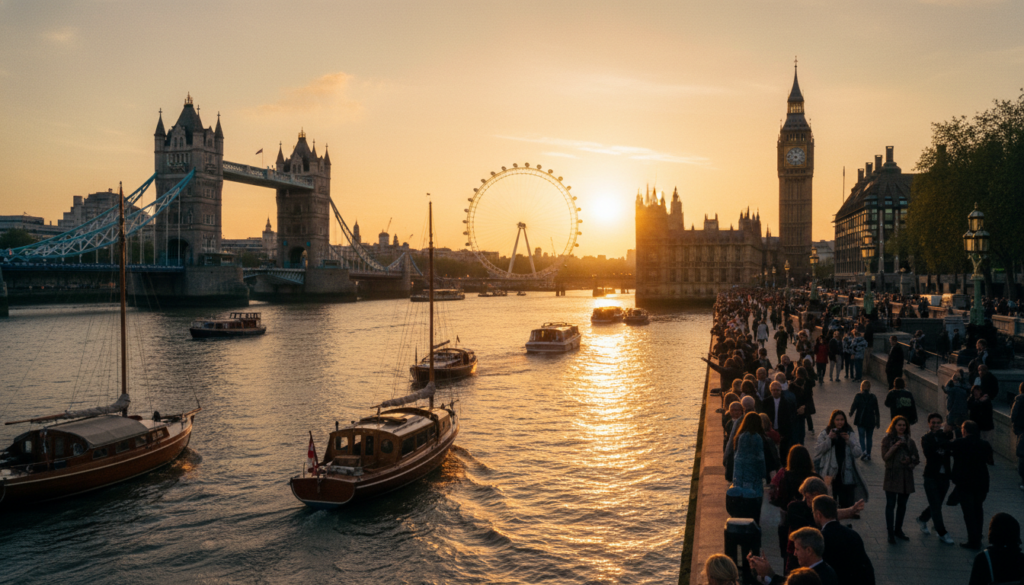
See more of the skyline with less walking by following the river’s ribbon of landmarks. A Thames cruise gives you calm, breezy views of many top things without constant Tube transfers.
Quick compare: a river tour feels relaxed and offers moving panoramas; the London Eye is a compact, iconic experience with a dramatic, 30-minute panorama. Both are great—but they feel very different.
- Family-friendly: cruises let kids rest while still doing something fun.
- Timing: the Eye ride takes ~30 minutes; cruises vary—check departure times.
- Booking tip: buy tickets ahead for the Eye and consider fast-track to skip long lines.
Simple river plan: start at the Westminster/London Eye area → cruise toward Tower Bridge and the Tower of London → finish with a riverside walk for photos and food. Cruises can also replace short transport legs, so they often give good value.
Practical close: after river views you’re in prime spots for markets and food neighborhoods—perfect for a relaxed afternoon.
| Experience | Duration / notes | Why choose it |
|---|---|---|
| Thames river cruise | 30–60+ minutes; departure times vary | Relaxed sight-seeing, family-friendly, replaces short transport |
| London Eye | About 30 minutes; allow extra time for queues/security | Iconic panoramic reveal; buy tickets/fast-track recommended |
| Riverside walk (Tower Bridge area) | Flexible; 30–90 minutes | Best photo stops, cafes, and easy links to markets |
London markets for street food, shopping, and people-watching
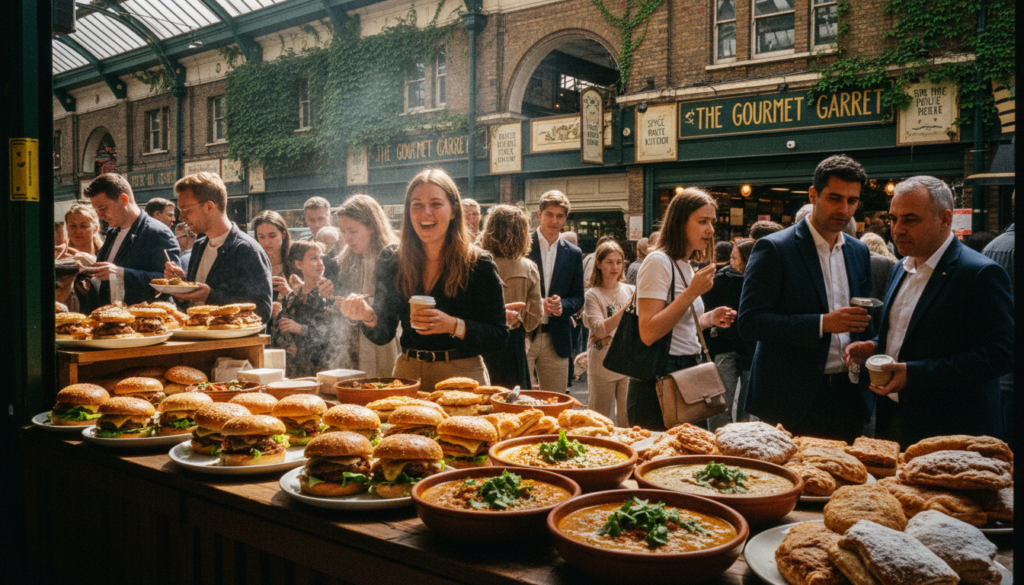
A market day mixes great food, cheap shopping, and real local energy—perfect for casual exploring.
Borough Market is the top stop for street food. Try The Ginger Pig sausage roll, “The Best One” sandwich at The Black Pig, and sweets from Bread Ahead. It gets busy at lunch, so aim mid-morning or late afternoon.
Note the hours: Borough runs roughly 10–17 on weekdays, 9–17 Saturday, and 10–15 Sunday—so don’t plan it as a dinner restaurants stop.
Camden Market offers an eclectic, alternative vibe. Visit on a weekday for easier browsing and better bargains for shopping. Portobello Road is the classic Saturday scene—antiques, vintage, and a full street market experience in Notting Hill.
Quick honorable mentions: Covent Garden, Old Spitalfields, and Columbia Road flower market on Sundays—each great depending on your schedule.
Smart-spend tip: skip one hyped viral snack and spend that money on one excellent bite instead; arrive hungry, get one full meal + one snack, then wander.
For a guided option that pairs market energy with odd stops, consider a short market market tour to add context and local tips.
Neighborhoods that show off London’s street life, color, and culture
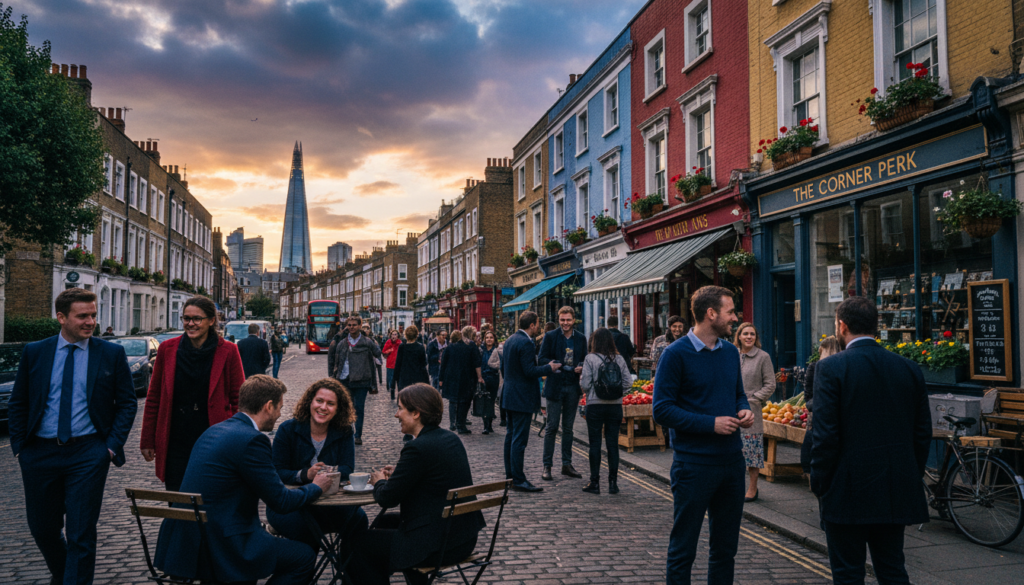
If you want local flavor, plan a slow wander through one or two neighborhoods that match your vibe.
Choose colorful and polished for pastel terraces and photo-ready corners: Notting Hill, Belgravia, and Kensington offer quiet squares and tidy cafés where you can stroll and snap pictures.
Pick creative and gritty for bold murals and buzzy markets: Shoreditch, Brick Lane, and Camden bring street art, international food, and a strong music history that makes the city feel lived-in.
- What you’ll do: browse small shops, hunt murals, grab casual food—simple things that show local life.
- Camden: a punk-rooted scene with live venues and record shops; music is part of the neighborhood’s soul.
- East End: global flavors on Brick Lane and art-lined alleys—a world of tastes and color.
Be a respectful visitor: many of the best photo spots are residential. Give people space, follow signs, and keep noise down so residents and visitors both enjoy the area.
Practical tip: pick one neighborhood per half-day, arrive with an anchor stop (market, café, or museum), and leave wiggle room for breaks or unexpected finds.
| Vibe | Neighborhoods | Good for |
|---|---|---|
| Polished & colorful | Notting Hill, Belgravia, Kensington | Photo spots, cafés, relaxed strolls |
| Creative & gritty | Shoreditch, Brick Lane, Camden | Street art, markets, live music |
| Budget-friendly | Any neighborhood | Walking, window-shopping, casual bites |
These neighborhood days are ideal for jet-lag recovery and flexible travel plans. After you soak up daytime color and music, you’ll be ready to explore tours and nightlife next.
Top tours and nighttime experiences beyond the landmarks
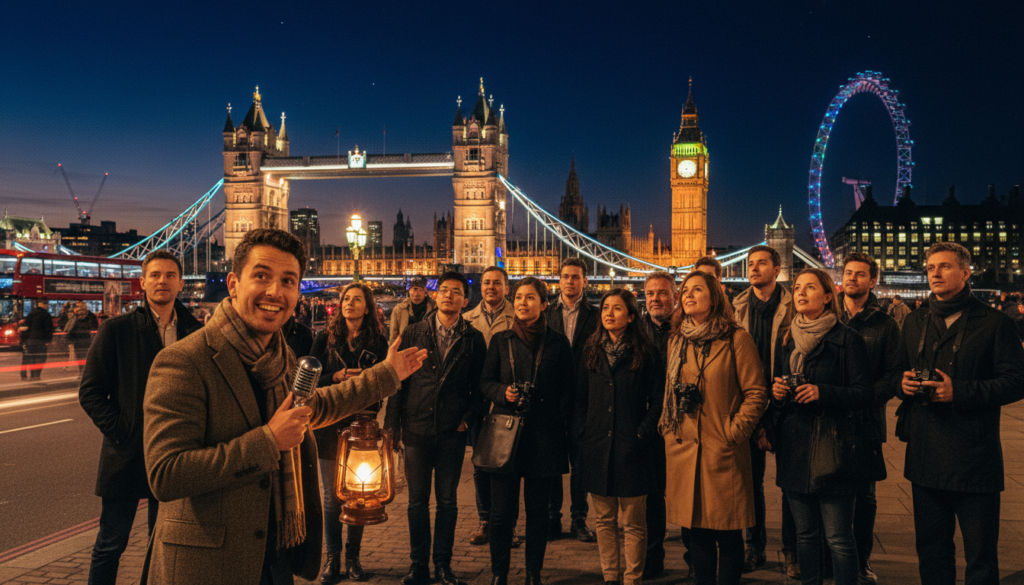
Night tours turn familiar streets into theater—full of stories you won’t get from guidebooks. Evening tours are a shortcut to local color and deeper history.
For a true-crime feel, consider a Jack the Ripper walking tour through Whitechapel. These run after dark, sometimes with dramatic projections, and typically cost about £16–£25.
Prefer something social but tidy? A historical pub walking tour focuses on legendary taverns and city stories — more culture than a noisy pub crawl. It’s a great way to meet people while learning local lore.
Madame Tussauds is kitschy and pricey but fun for families. Queues can be long; if you go, buy tickets ahead to skip waits. A single advance ticket saves valuable time.
“Choose your night: true crime, pubs/history, or a family wax museum — pick what fits your travel style.”
- Tour pace tip: avoid stacking late tours after an early landmark day.
- Price note: many nighttime walks fall in the budget-friendly £16–£25 range.
- Queue rule: for madame tussauds, pre-book tickets to skip lines.
Parks and gardens for a slower London day
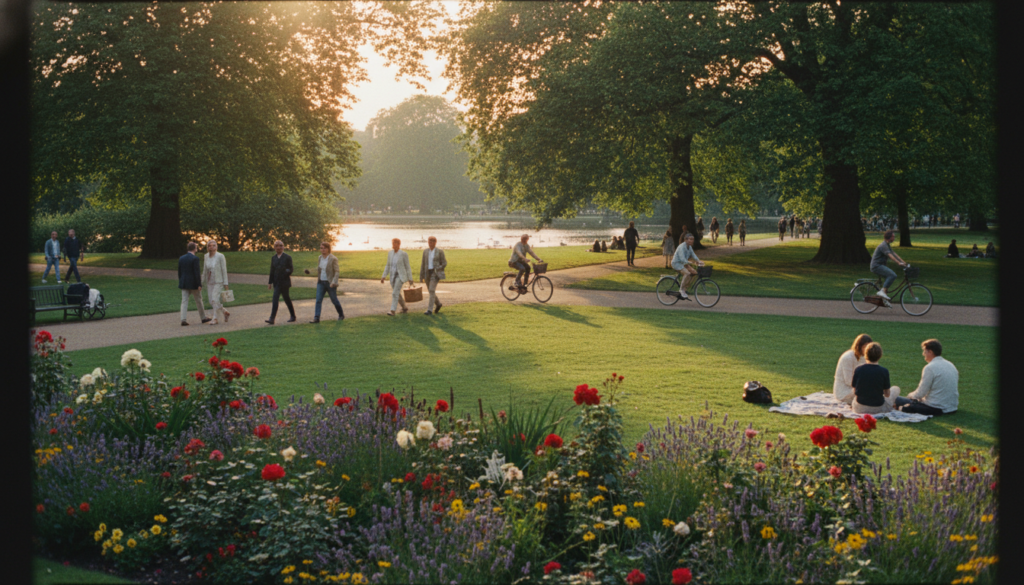
Give yourself permission to pause: hyde park is the classic place to do exactly that. At roughly 142 hectares, it’s huge, central, and perfect for a picnic or a lazy walk.
Try a Royal Parks mini-route for a scenic, low-effort half-day: Hyde Park → Kensington Gardens → Green Park → St James’ Park. The walk links big sights while keeping the pace calm.
Want something different? Regent’s Park offers formal gardens and a boating lake. Hampstead Heath feels wilder and more remote even though it’s only ~3.5 miles from Trafalgar Square. Richmond Park lets you spot free-roaming deer.
Tip: parks are ideal on arrival day, between busy sightseeing days, or whenever you need a breather.
- Budget hack: grab market food or a supermarket meal deal and turn it into a park lunch.
- Worth paying for: Kew Gardens (UNESCO) for botanic displays and striking architecture.
- Why slow down: a relaxed park day improves your next big-ticket experience, not the other way around.
| Park / Garden | Highlight | Best for |
|---|---|---|
| Hyde Park | Large lawns, Serpentine lake | Picnic day, central pairing |
| Kensington Gardens | Formal paths, Kensington Palace | Strolls, family-friendly |
| Regent’s Park | Rose gardens, boating | Classic strolls |
| Richmond Park | Deer, wide open space | Wildlife spotting |
Harry Potter Studio Tour and other easy day trips from London
For many visitors, the Warner Bros. Studio Tour is the single day trip that defines the whole visit.
Plan early: the Leavesden studio sells out fast—buy tickets as soon as your dates are set. Expect to spend about 3–4 hours inside wandering sets like the Great Hall and Diagon Alley.
Don’t miss Dumbledore’s office or a taste of butterbeer. Many tickets include round-trip transport from central stations, which keeps the day simple and stress-free.
Upgrade tip: a fully guided behind-the-scenes tour adds deep film-making detail for superfans who want more than the standard visit.
If you prefer other day trips, consider Stonehenge, Windsor, and Bath for classic England scenes beyond the city. Those places make a satisfying alternate day with iconic sights and smooth logistics.
| Trip | Typical Time | Why choose it |
|---|---|---|
| Warner Bros. Studio Tour | 3–4 hours | Sets, props, Butterbeer; transport options; book early |
| Stonehenge + Windsor + Bath | Full day | Historic sites, varied landscapes, classic England |
| Transport-inclusive tours | Half to full day | Stress-free transfers and guided commentary |
Final planning tip: keep the night before easy—avoid a heavy museum day so an early start for a day trip isn’t painful.
Conclusion
A clear daily rhythm—one big stop, several flexible bites—lets you see more without feeling rushed.
Build each day around one major thing and then fill remaining time with markets, parks, or free museums. This saves travel time and keeps the days fun rather than frantic.
Book ahead for timed-ticket sights, the London Eye, popular tours, and big day trips so you protect your schedule. Always screenshot confirmations and have a backup indoor option for every day.
Group nearby places by neighborhood to save energy and money. Pick one paid highlight, lean on free museums like the British Museum, and treat yourself to afternoon tea as a memorable splurge.
For more planning ideas and a compact list of top spots, see our london top places. Go make great memories—your time in the capital will feel planned, relaxed, and truly yours.
FAQ
What are the must-see sights you shouldn’t miss on a first trip?
Focus on a mix: the Tower of London and Tower Bridge for history and photos, Westminster Abbey and the Houses of Parliament for iconic architecture, Buckingham Palace for the royal parade, and the British Museum for world-class galleries. Add a stroll along the South Bank for riverside views and street food. Booking skip-the-line tickets for busy sites saves time and helps you fit more in.
Are guided tours worth it or should you explore on your own?
Both have perks. Guided tours give local stories, priority access, and a more efficient route—great if you have limited time. Self-guided exploring is cheaper and flexible, ideal if you enjoy wandering markets like Camden or Portobello Road. Consider a hop-on hop-off bus or a Thames cruise for easy transport and context.
How far in advance should I buy tickets for popular attractions?
For the Tower of London, Westminster Abbey, the Harry Potter Studio Tour, and major West End shows, buy tickets at least 2–4 weeks ahead—longer in summer. For museums like the National Gallery or British Museum, you can usually book closer to your visit, though timed-entry slots help during peak season.
Which museums are free and family-friendly?
Many top museums offer free entry: the British Museum, the National Gallery, the Natural History Museum, and the Science Museum. They’re great for families—hands-on exhibits, interactive galleries, and kid-focused trails. Some special exhibitions require paid tickets, so check ahead.
What’s the best way to see panoramic views of the city?
Choose between views from the Shard, Sky Garden (free but book ahead), St Paul’s Cathedral’s dome climb, or the London Eye. Each offers a different perspective—city skyline, river curves, or classic landmarks. For budget travelers, many parks and the South Bank provide excellent vantage points at no cost.
How can I experience royal sites like Buckingham Palace and Kensington Palace?
Watch the Changing of the Guard outside Buckingham Palace for a free, ceremonial experience. For inside access, visit Kensington Palace to see royal apartments and exhibits. Check opening dates—Buckingham’s State Rooms open for limited weeks in summer with advance ticketing.
Which neighborhoods are best for street life, food, and shopping?
Camden Market and Shoreditch pulse with street food and independent stalls. Portobello Road and Notting Hill mix antiques and boutiques. Covent Garden offers street performers and craft shops, while Soho has buzzing restaurants and nightlife. Each area has its own vibe—plan by what you want to eat and buy.
Are there easy day trips from the city worth taking?
Yes—Warner Bros. Studio Tour (Harry Potter) is a fan favorite and an easy train-plus-shuttle trip. Bath, Oxford, and Windsor Castle are popular day trips by train. Book rail tickets early for the best fares and reserve attraction entries in advance where needed.
What are the best market tips for food and bargains?
Visit markets like Borough Market for high-quality food stalls and Camden for eclectic eats. Go early for the best produce and late for discount stalls. Bring cash and a small bag for purchases, and avoid peak weekends if you want a calmer visit.
How do I get around cheaply and efficiently?
Use the Tube and buses with an Oyster card or contactless bank card for the best fares. Walking often beats short Tube rides in central areas and reveals hidden streets and cafes. Consider river buses for a scenic, affordable alternative along the Thames.
What should families know about visiting with kids?
Pick attractions with interactive exhibits—Natural History Museum, Science Museum, and the London Transport Museum are crowd-pleasers. Plan breaks in parks like Hyde Park or St James’s Park, and check family facilities (baby-changing, stroller access). Book child-price tickets and arrive early to avoid queues.
When is the best time to visit to avoid crowds and save money?
Visit in shoulder seasons—late spring (April–May) and early autumn (September–October) offer milder weather, fewer tourists, and often lower prices. Midweek mornings are quieter at major sites. Winter can be less crowded and festive around the holidays, though some attractions have reduced hours.
Are there good night-time activities beyond the landmarks?
Absolutely—West End shows, live music in Camden, pub crawls in Soho, and evening river cruises offer different energy after dark. Night tours—ghost walks or Jack the Ripper tours—add a storytelling angle. Book shows ahead and check opening times for late-night venues.
What parks and gardens are best for a relaxed day?
Hyde Park and Kensington Gardens are perfect for picnics, boating, and the Diana Memorial Playground. Regent’s Park offers rose gardens and outdoor theatre in summer. Richmond Park is great for wide-open space and deer spotting if you can travel a bit further out.
Any tips for museum and gallery etiquette?
Keep voices low, avoid flash photography where prohibited, and respect roped-off works. Many museums offer free multimedia guides or family trails—use them to deepen the visit. Secure lockers can help if you carry large bags.
How do I find authentic local food without tourist traps?
Venture into neighborhoods outside the main tourist corridors—Dalston, Brixton, and Peckham feature diverse, authentic dining. Ask locals for recommendations, check recent reviews, and try market stalls for quick, honest flavors. Pub meals are also a reliable local experience.