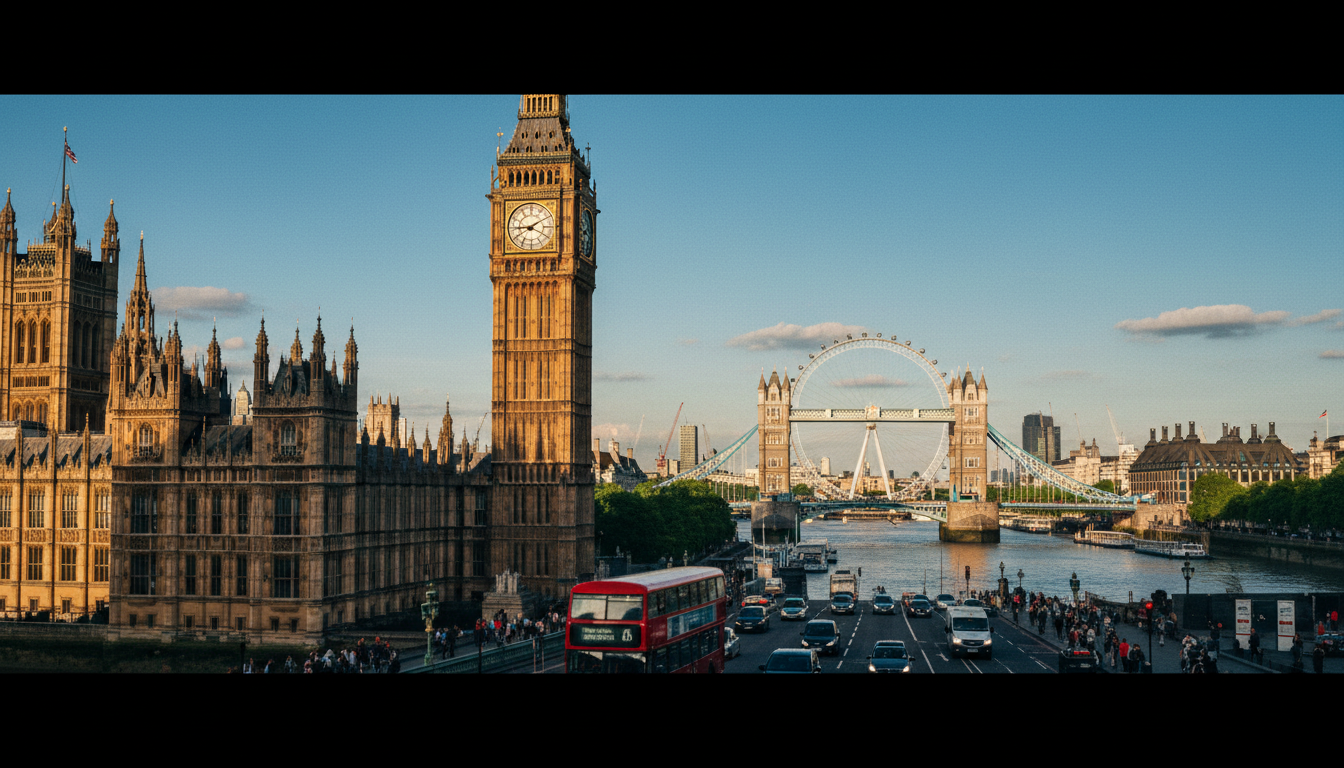
Have you ever wondered why millions of travelers choose London as their dream destination year after year? This vibrant capital combines centuries of royal history with cutting-edge culture. It offers an experience unlike any other city in the world.
When you visit London, you’ll discover a city that never runs out of surprises. You’ll find world-famous museums, stunning parks, and hidden neighborhood gems. Legendary theater performances are also waiting for you.
Whether you’re fascinated by London attractions like Big Ben and Tower Bridge or seeking authentic experiences in local pubs and markets, this city welcomes everyone. Most first-time visitors need at least three days to scratch the surface of what’s available.
This London travel guide will help you navigate England’s capital with confidence. You’ll find practical tips on transportation, must-see landmarks, cultural experiences, and insider recommendations. Planning your perfect trip becomes easier when you explore detailed itineraries that balance iconic sights with neighborhood exploration.
Getting around is simple thanks to the efficient Underground system, iconic red buses, and walkable districts. With five airports serving the city and year-round appeal, your London adventure awaits.
Key Takeaways
- London offers world-class museums, historic landmarks, and diverse neighborhoods perfect for any traveler’s interests
- Plan at least three days for your first visit to experience the city’s iconic attractions and quintessential activities
- The city’s efficient public transport system including the Tube and buses makes navigation straightforward and affordable
- London welcomes visitors year-round with attractions, dining, and cultural experiences available in every season
- From royal palaces to cutting-edge art galleries, the city blends centuries of history with contemporary vibrancy
- Heathrow and Gatwick airports provide convenient international access from the United States
Iconic Landmarks and Sightseeing Experiences
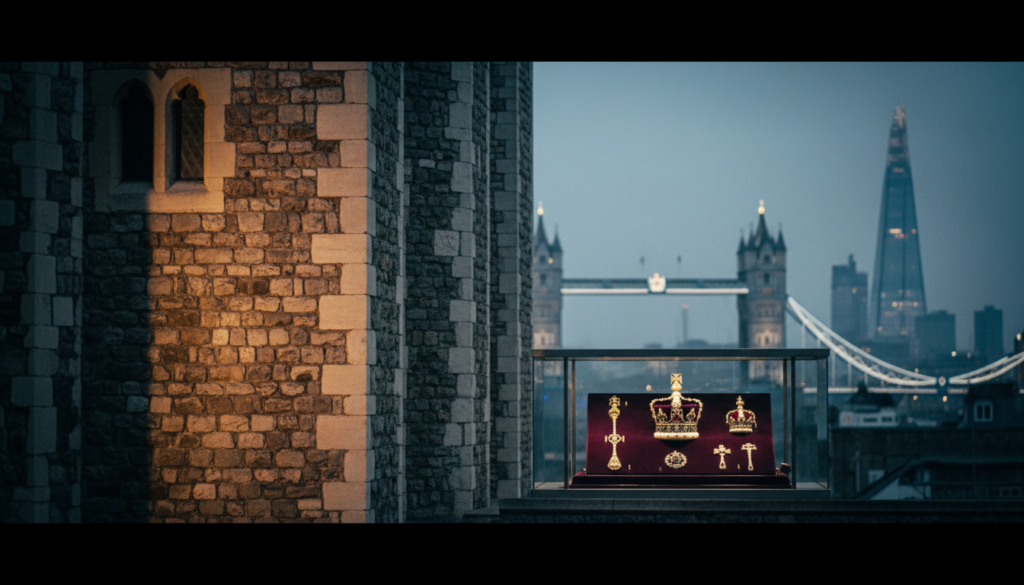
Your journey through London’s most recognizable landmarks starts with structures that have shaped the city for centuries. These landmarks capture millions of imaginations each year. They represent British heritage, showing royal traditions, political power, and architectural brilliance.
When planning your London sightseeing, these iconic sites should be at the top of your list. They offer a glimpse into the city’s character and provide perfect photo opportunities. Most visitors spend their first full day exploring these landmarks, thanks to their central locations.
A Medieval Fortress on the Thames
The Tower of London is one of the world’s most formidable fortresses, celebrating over 900 years of history. It’s a UNESCO World Heritage site that has been a royal palace, a prison, and the home of the Crown Jewels. It’s located on the north bank of the River Thames, where William the Conqueror ordered its construction in 1066.
Inside, you can see the Crown Jewels collection. This collection includes diamonds, tiaras, scepters, and ceremonial objects used by the Royal Family. The Imperial State Crown, for example, has 2,868 diamonds, 17 sapphires, 11 emeralds, and 269 pearls. These aren’t just museum pieces; they’re working regalia used at coronations and state openings of Parliament.
Visiting the Tower becomes more fun with a Yeoman Warder tour. Led by the Beefeaters, who live and work there, these tours offer historical facts mixed with humor and flair. You’ll learn about the Tower’s role as a prison, famous executions, and the legend of the six ravens who must stay on the grounds or the kingdom will fall.
To make the most of your visit, arrive early—ideally when doors open at 9:00 AM. The Crown Jewels viewing area gets crowded by mid-morning. You’ll appreciate having space to admire these treasures without being rushed. Budget at least two hours for your visit, though history enthusiasts might spend three or four hours exploring.
Royal Residence and Ceremonial Spectacle
Buckingham Palace is the official London residence of His Majesty King Charles III. It’s one of the world’s few working royal palaces. The building’s distinctive facade, with its 775 rooms, creates an imposing presence at the end of The Mall. When the Royal Standard flag flies above the palace, you know the monarch is in residence.
The Changing of the Guard ceremony is a popular free attraction. It draws crowds who gather outside the palace gates to witness this colorful display of British pageantry. The ceremony takes place at 11:00 AM on Monday, Wednesday, Friday, and Sunday, though the schedule varies by season. You’ll see the New Guard march from Wellington Barracks accompanied by a military band, then watch as they formally take over duties from the Old Guard in a precisely choreographed ritual lasting about 45 minutes.
For the best viewing position, arrive at least 45 minutes before the ceremony begins. Position yourself at the palace railings directly in front of the gates, or consider watching from the Victoria Memorial for an elevated perspective. The ceremony continues regardless of weather, so bring an umbrella if rain threatens but don’t let drizzle deter you from experiencing this quintessentially British tradition.
During summer months—usually late July through September—you can tour the State Rooms at Buckingham Palace when the Royal Family isn’t using them. These lavishly decorated chambers showcase priceless artworks from the Royal Collection, including paintings by Rembrandt, Rubens, and Canaletto. The Grand Staircase, Throne Room, and Picture Gallery give you a genuine sense of royal life and the palace’s role in state ceremonies.
The Clock Tower That Symbolizes London
Big Ben has become synonymous with London itself, though technically the name refers to the Great Bell inside Elizabeth Tower, not the tower structure. This Gothic Revival masterpiece rises 316 feet above the Houses of Parliament, its four clock faces measuring 23 feet in diameter. The distinctive chimes of Big Ben mark each hour with notes that have been broadcast by BBC Radio for over a century.
The Houses of Parliament, officially called the Palace of Westminster, serve as the meeting place of the UK’s House of Commons and House of Lords. This stunning example of Victorian architecture stretches along the Thames in a magnificent display of spires, towers, and intricately carved stonework. The building you see today dates mainly from the mid-1800s, rebuilt after a devastating fire destroyed most of the medieval palace in 1834.
For the most iconic photo opportunities, position yourself on Westminster Bridge during golden hour—early morning or late afternoon when the light hits the honey-colored stone perfectly. From this vantage point, you’ll capture classic London scenes complete with black cabs, red double-decker buses, and the London Eye visible across the river in Southbank. The bridge provides clear sightlines in both directions, making it a favorite spot for photographers and Instagram enthusiasts alike.
While tours of the Houses of Parliament require advance booking, you can watch parliamentary debates from the public galleries if you’re interested in seeing British democracy in action. The Westminster area itself rewards exploration on foot, with Westminster Abbey, Parliament Square, and Downing Street all within a few minutes’ walk.
Victorian Engineering and Glass Floor Thrills
Tower Bridge stands as one of London’s most recognizable structures, with its distinctive twin towers, sky-blue suspension chains, and white stone facades creating an instantly identifiable silhouette. Built between 1886 and 1894, this combined bascule and suspension bridge represents Victorian engineering at its finest. Many visitors confuse it with London Bridge, which is actually a much plainer structure located upstream—Tower Bridge is the ornate, photogenic one you’ve seen in countless movies and photographs.
The Tower Bridge Exhibition takes you inside both towers and across the high-level walkways, where you’ll learn about the bridge’s construction and operation. The most thrilling feature is the glass floor walkway, suspended 138 feet above the River Thames. Walking across this transparent floor gives you a vertigo-inducing view straight down to the traffic, pedestrians, and river boats passing below your feet.
From the walkways, you gain spectacular panoramic views across London, looking east toward Canary Wharf and west toward the Tower of London and the City’s financial district. The Victorian Engine Rooms, located in the bridge’s southern approach, display the original steam engines that once powered the bridge lifts. These massive machines, though no longer in use, have been beautifully preserved and help you appreciate the mechanical ingenuity required to create a bridge that could open to allow tall ships through.
If you time your visit right, you might witness a bridge lift, when the two bascules raise to allow vessels through. The bridge opens about 800 times per year, typically with 24 hours’ notice for river traffic. Check the Tower Bridge website for the lifting schedule if you’d like to see this impressive operation in action.
| Landmark | Average Visit Duration | Best Time to Visit | Ticket Price Range | Key Highlight |
|---|---|---|---|---|
| Tower of London | 2-3 hours | Opening time (9:00 AM) | $32-40 | Crown Jewels collection and Beefeater tours |
| Buckingham Palace | 1-2 hours (State Rooms) | Early morning for Changing of Guard | Free (ceremony) / $32 (State Rooms) | Changing of the Guard pageantry |
| Big Ben & Parliament | 30 minutes (exterior viewing) | Golden hour for photography | Free (exterior) / $28 (tours) | Iconic clock tower and Westminster Bridge views |
| Tower Bridge | 1-1.5 hours | Mid-morning to avoid crowds | $12-15 | Glass floor walkway and bridge lift viewings |
These four landmarks are the cornerstone of any London sightseeing plan. They’re close enough to visit in a day, though spreading them across two days is more relaxed. Getting between sites is easy with the Underground, buses, and walking routes.
Smart planning is key when visiting London landmarks. Book tickets online in advance to skip queues, for the Tower of London and Buckingham Palace State Rooms. Consider a London Pass for multiple paid attractions. Most importantly, wear comfortable shoes—you’ll cover several miles exploring these sites and historic neighborhoods.
Things to Do in London for Museum and Gallery Lovers
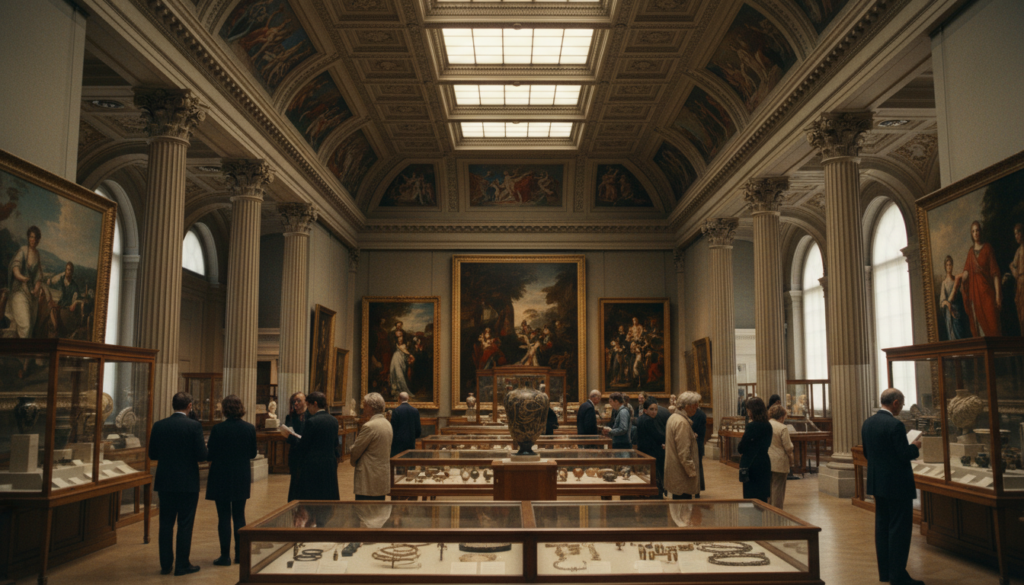
London is a treasure trove for culture lovers. You can explore art, history, and design without spending a lot. Most major museums in London offer free entry to their permanent collections. This means you can see everything from ancient Egyptian artifacts to modern art without paying a thing.
London is home to some of the world’s best museums and galleries. You can visit many in one day. This makes it easy to create your own art and culture trail in the city.
A Journey Through Human History and Culture
The British Museum is a treasure trove of human history. It has over eight million objects from two million years of human history. You can see everything from the Rosetta Stone to Greek sculptures here.
Start your visit at the Great Court to get your bearings. The Egyptian galleries and the Parthenon sculptures are must-sees. But don’t miss the Japanese art or medieval European treasures too.
Arrive early to avoid the crowds. The museum offers free guided tours and audio guides. Spend at least three to four hours here for a full experience.
“The British Museum was established in 1753 and was the first national museum to cover all fields of human knowledge.”
Masterpieces in the Heart of London
The National Gallery is in Trafalgar Square. It has over 2,300 works of art from seven centuries. You can see famous paintings like Van Gogh’s ‘Sunflowers’ and Monet’s ‘The Water-Lily Pond’ for free.
Admission to the permanent collection is free. The gallery’s layout lets you see the evolution of art styles. It’s a great place to spend hours exploring.
The Friday late-night opening is a secret worth discovering. The evening sessions offer free art talks and workshops. It’s a chance to see the paintings in a new light.
Contemporary Art in a Power Station
Tate Modern is in the Bankside Power Station. It offers a unique experience with its modern art. The Turbine Hall is perfect for large-scale installations.
The permanent collection includes works by Warhol and Picasso. The museum’s layout encourages you to make new connections between artists. The Switch House extension offers stunning views of London.
Take the Tate Boat to get between Tate Modern and Tate Britain. It’s a scenic ride along the Thames. The permanent collection is free, but special exhibitions need tickets.
A Cathedral to Decorative Arts and Design
The Victoria and Albert Museum is a palace of decorative arts and design. It has 150 galleries with furniture, ceramics, and more. It’s a place where creativity and craftsmanship come together.
Exploring the V&A is like walking through a palace. You’ll see medieval tapestries and contemporary fashion. The museum has a unique all-porcelain courtyard and David Bowie’s stage costumes.
While the permanent exhibits are free, some exhibitions need tickets. The V&A is close to the Natural History Museum and the Science Museum. You can easily spend a day exploring this area.
All four museums offer free Wi-Fi and coat checks. Free guided tours and audio guides enhance your visit. Whether you have a few hours or days, these museums offer unforgettable experiences.
Parks and Outdoor Experiences
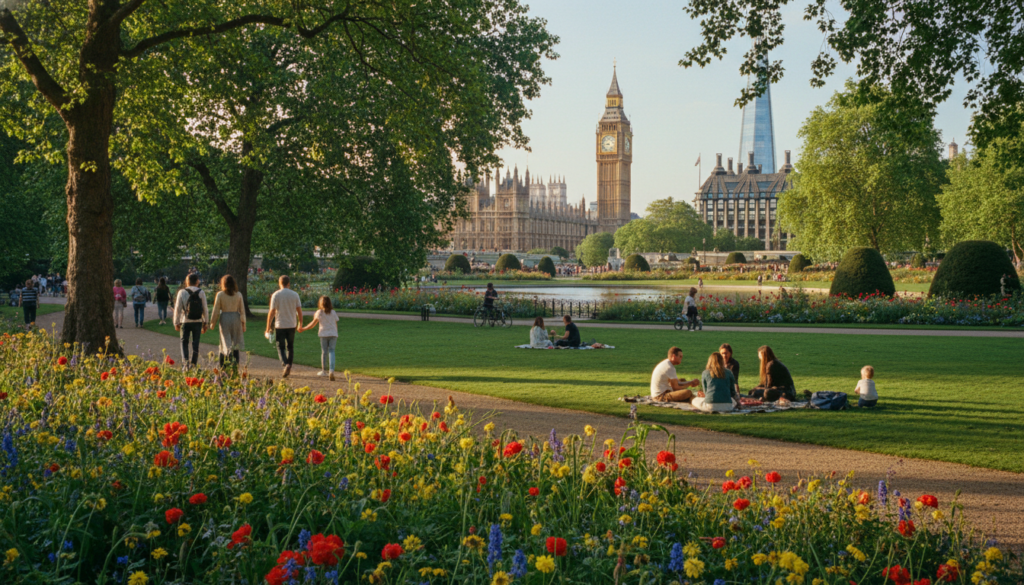
London, a big city, has over 3,000 parks and gardens. These outdoor spaces offer peaceful retreats from the busy streets. They provide quintessentially British experiences. From royal parks with manicured lawns to wild heathland with panoramic views, green spaces London has something for every nature lover.
The variety of London parks means you can easily combine cultural sightseeing with refreshing outdoor time. Many parks connect directly to major attractions, making them perfect spots for picnic lunches or afternoon strolls between museum visits.
Hyde Park and Serpentine Activities
Hyde Park is one of London’s most famous royal parks, covering 350 acres. You can rent a boat or pedalo on the Serpentine lake. The peaceful waters provide a surprising escape just minutes from busy Oxford Street.
Kensington Gardens connects seamlessly to Hyde Park, creating one continuous outdoor paradise. You’ll discover the Diana Memorial Fountain and the Italian Gardens. These showcase ornate fountains and formal landscaping that transport you to a Mediterranean setting.
Afternoon tea at the Orangery at Kensington Palace offers an elegant way to complete your park visit. This historic building serves traditional British tea with scones, sandwiches, and pastries in a stunning architectural setting. During spring, the parks burst with daffodils and tulips, while summer brings outdoor concerts and events that draw thousands of visitors.
Regent’s Park Rose Gardens and Wildlife
Regent’s Park features some of the most spectacular rose gardens you’ll find anywhere in Britain. The Queen Mary’s Gardens contain over 12,000 roses representing 85 varieties that bloom from June through September. The fragrance and color create an unforgettable sensory experience during peak season.
The boating lake provides another recreational opportunity where you can rent rowboats or pedalos. Families enjoy feeding the ducks and watching waterfowl glide across the calm waters. London Zoo sits on the northern edge of the park, making it easy to combine a nature walk with wildlife viewing.
London Zoo, one of the world’s oldest scientific zoos, houses over 750 species in carefully designed habitats that prioritize animal welfare and conservation.
You can spend hours exploring the zoo’s various exhibits, from African lions to Sumatran tigers. The Gorilla Kingdom and Penguin Beach rank among visitor favorites, providing close-up encounters with these fascinating animals.
Hampstead Heath Panoramic Skyline Views
Hampstead Heath appeals to those seeking a wilder, more natural landscape than the manicured royal parks. This ancient parkland covers 790 acres of rolling hills, meadows, and woodlands. The terrain feels remarkably rural despite being just four miles from central London.
Parliament Hill provides the best panoramic views of the London skyline you’ll find anywhere in the city. From this elevated vantage point, you can spot St Paul’s Cathedral, the Shard, the London Eye, and countless other landmarks stretching across the horizon. Sunrise and sunset draw photographers hoping to capture the city bathed in golden light.
For brave visitors, Hampstead Heath swimming ponds offer year-round open-water swimming opportunities. The men’s, women’s, and mixed ponds maintain dedicated communities of cold-water enthusiasts who swim regardless of season. Even if you don’t take a dip, watching the swimmers provides entertainment and amazement at their dedication.
Kew Royal Botanic Gardens World Heritage Site
Kew Gardens stands apart as a UNESCO World Heritage site and world-leading botanical garden spanning 300 acres. The grounds contain stunning vistas, rare plants, Victorian glasshouses, and architectural marvels that make it one of outdoor London’s most impressive attractions. You could easily spend an entire day exploring without seeing everything.
The iconic Palm House, constructed in 1844, showcases tropical rainforest plants in a magnificent glass structure. Its humid interior transports you to equatorial regions with towering palms and exotic species. The newly restored Temperate House, the world’s largest surviving Victorian glasshouse, houses encephalartos woodii—one of the rarest plants on Earth that outlived the dinosaurs.
The Treetop Walkway sits 18 meters high, providing unique perspectives of the gardens and surrounding landscape. Walking among the tree canopy provides views typically reserved for birds and squirrels. The Chinese Pagoda, built in 1762, towers over the southern end of the gardens and recently reopened after restoration.
- Marianne North Gallery: Features over 800 colorful paintings of flowers, landscapes, animals, and birds collected during her world travels
- Princess of Wales Conservatory: Houses ten different climate zones under one roof, from desert cacti to tropical orchids
- Japanese Gateway and Garden: Offers tranquil Asian-inspired landscaping with traditional elements
- Seasonal Events: Popular Christmas lights trail transforms the gardens into an illuminated wonderland
Kew Gardens captivates visitors any time of year, with each season bringing different highlights. Spring bulbs, summer blooms, autumn colors, and winter structure all showcase the gardens’ year-round appeal.
Reaching these parks via public transport proves straightforward. Hyde Park connects to multiple Underground stations including Hyde Park Corner, Marble Arch, and Lancaster Gate. Regent’s Park sits near Baker Street and Regent’s Park stations. Hampstead Heath links to Hampstead and Gospel Oak stations. Kew Gardens has its own dedicated station on the District Line and Overground.
Visit early morning or late afternoon to avoid crowds, specially during summer months and school holidays. Many parks open at dawn and close at dusk, with extended hours during longer days. Combining park visits with nearby attractions maximizes your time—pair Hyde Park with Kensington Palace, Regent’s Park with Camden Market, or Kew Gardens with Richmond’s riverside walks.
Things to Do in London Along the River Thames
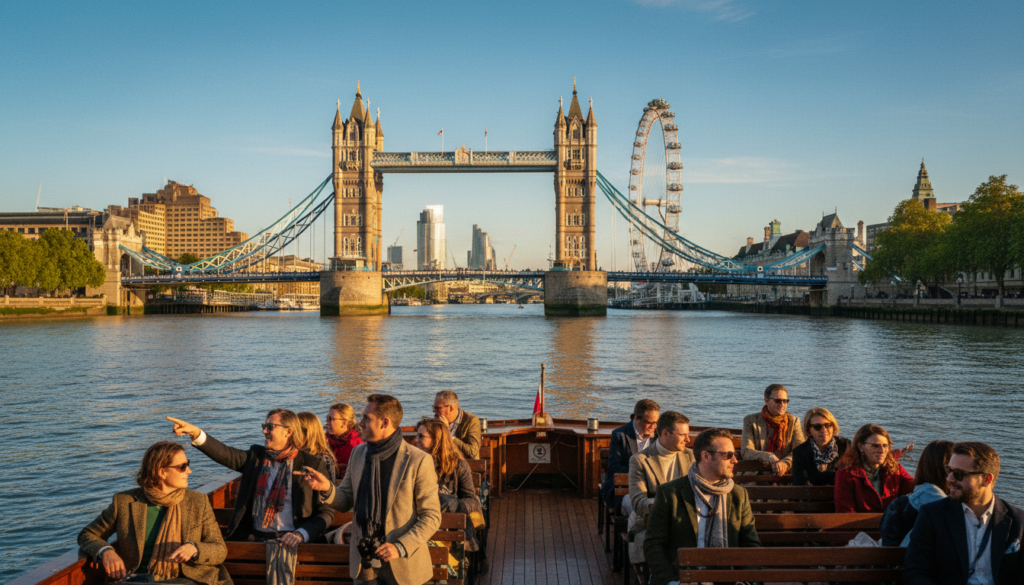
The Thames has been London’s lifeblood for over 2,000 years. Today, it’s a top way to see the city. This historic river runs through London, connecting areas and showing famous sights from a new angle. Whether you’re on a boat or walking by the river, you’ll find unforgettable moments.
The river is not just for travel; it’s also a beautiful sightseeing path. Exploring the Thames lets you see London’s top spots without the crowds of the streets or trains.
Sightseeing Cruises on London’s Historic Waterway
A London river cruise is a calm way to see the city’s skyline. You can choose from short tours to longer ones to Greenwich or Hampton Court Palace. You’ll see the Houses of Parliament, London Eye, and more.
Most cruises have guides telling you about London’s history and buildings. Some even offer meals on board, making for a special evening.
Think about when you want to go. Day cruises are great for photos, while evening ones light up the landmarks beautifully.
Walking the Riverside from Westminster to Tower Bridge
The South Bank London walk is a favorite among visitors. Starting at Westminster Bridge, it takes you past attractions and cultural spots. It’s a 1-3 hour walk, depending on how many stops you make.
It starts with Big Ben and the London Eye. Then, you’ll see the Southbank Centre, National Theatre, and Shakespeare’s Globe. It ends near London Bridge at Borough Market.
“The Thames is liquid history” – John Burns
Along the way, you’ll find cafes and restaurants for breaks. The Millennium Bridge offers a great view of St Paul’s Cathedral.
Maritime History at Greenwich
Greenwich is a UNESCO World Heritage site with a rich naval history. You can get there by boat, making the trip part of the adventure. It’s about 30-45 minutes from central London.
The Cutty Sark is a highlight here. It’s a restored 19th-century ship with exhibits on maritime trade. The Royal Observatory is nearby, where you can stand on the Prime Meridian line.
The National Maritime Museum explores Britain’s seafaring past. Greenwich Market has unique shopping with crafts, antiques, and food.
Spending half a day in Greenwich is best to see everything. It’s calmer than central London, with parks and riverside views.
River Bus Transportation Service
Thames Clippers offer a river bus service for commuting and sightseeing. It’s a cheap way to see the city, using your Oyster card or contactless payment. It runs often, connecting major spots.
The river bus is a good way to avoid traffic and crowded trains. Boats have indoor and outdoor seats, so you can choose your comfort level.
Get a River Roamer ticket for unlimited travel in one day. It’s great for exploring different areas without going back to the start.
Theatre Entertainment and Nightlife
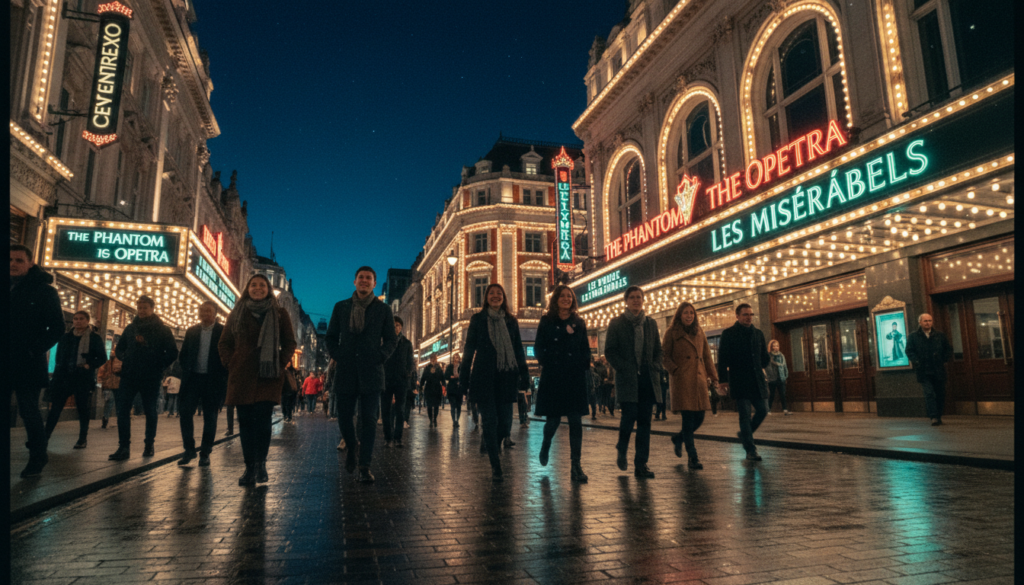
London comes alive at night with bright theater signs and lively streets. You can enjoy top shows or explore underground music and bars. There’s something for everyone, from classic musicals to new performances.
Planning your nights out is exciting. You can choose from the West End’s bright lights or Camden’s music scene. These options keep the fun going until the early morning.
Spectacular Musicals and Stage Shows in the Theater District
The West End is a top spot for live theater, rivaling Broadway. It’s filled with historic theaters showing classics and new hits. The neon signs of Piccadilly create a lively atmosphere.
Shows like Les Misérables and Matilda are huge hits. The National Theatre offers world-class shows like Hadestown and Dear England.
Getting cheap tickets is easy with insider tips. The TKTS booth in Leicester Square offers same-day deals. Many theaters also have day seats or rush tickets for under £30.
Arrive early to enjoy the pre-show buzz. Grab dinner at nearby restaurants. The excitement of the crowd and street performers is unforgettable.
The Royal Opera House in Covent Garden is a must-see for opera and ballet fans. It offers tours that let you see behind the scenes and learn about its history.
Authentic Elizabethan Performances at the Reconstructed Playhouse
Shakespeare’s Globe offers a unique theatrical experience. It’s a faithful copy of Shakespeare’s original playhouse. The building uses traditional methods and ancient timbers for an authentic feel.
Being a “groundling” is a special experience. You stand in the pit, just like audiences did 400 years ago. It’s an immersive way to see Shakespeare’s plays.
Summer performances are held outdoors, adding a unique touch. The Globe also has midnight shows and candlelit performances in winter. These offer a cozy setting.
The standing spots let you feel close to the actors. It’s a unique way to experience Shakespeare’s words. This format brings the plays to life in a way seated theaters can’t.
Alternative Music Venues and Vibrant Market Culture
Camden Town has a different vibe than the West End. It’s known for launching bands and has a lively music scene. The markets are full of unique finds and street food.
Places like the Roundhouse and Jazz Café host a variety of music. You can see indie bands, jazz, and more in intimate settings. The energy is electric.
Camden’s nightlife is diverse, with pubs, clubs, and food vendors. It’s a place where creativity and individuality thrive.
Sophisticated Cocktails and Dynamic Late-Night Scene
Soho is the heart of London’s nightlife. It has cocktail bars, comedy clubs, and restaurants. It’s a welcoming place for everyone, day and night.
Exploring Old Compton Street reveals a mix of bars and pubs. The area’s history and culture are evident everywhere. You’ll find legendary performers’ plaques.
Soho’s dining scene offers many options for dinner or late-night meals. From Michelin-starred places to casual spots, there’s something for everyone. The area is easy to explore.
For big nights out, Drumsheds in Tottenham is a great choice. It has massive club spaces and hosts big DJs and artists. London’s nightlife has something for everyone, from small jazz clubs to big dance venues.
Things to Do in London for Food and Market Lovers
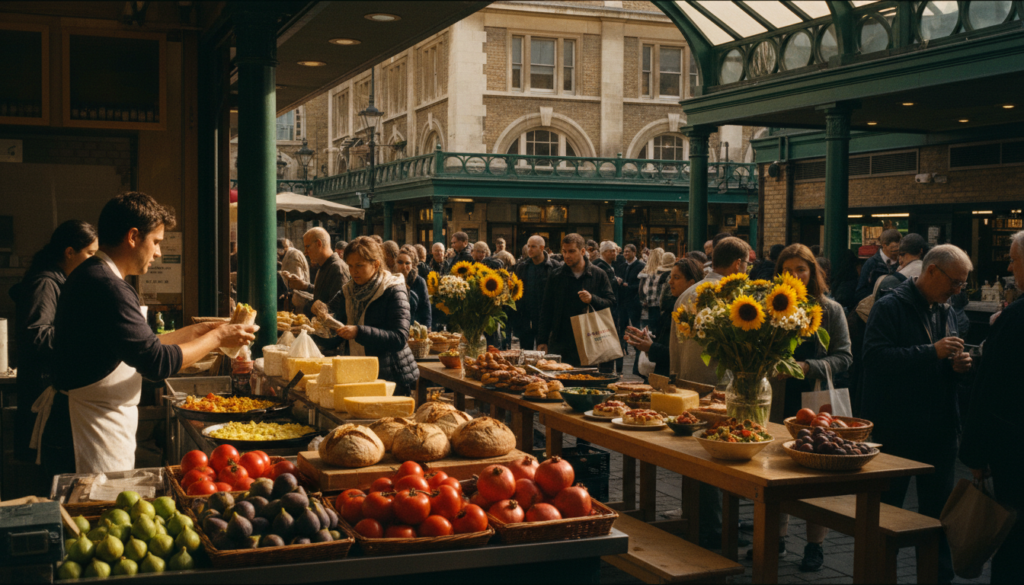
London markets and restaurants show the city’s amazing diversity and love for food. It has changed from a place known for bland food to a top culinary spot. You can find old food markets and fancy tea rooms serving traditional British afternoon tea.
The London food scene has something for everyone. You can grab a quick bite or enjoy a fancy meal. The city’s mix of cultures means you can taste flavors from all over the world and traditional British dishes.
Historic Food Haven at Borough Market
Borough Market is one of London’s oldest and most loved food spots, dating back to the 13th century. It’s near London Bridge and has become a top London market for food lovers. You’ll find great ingredients and prepared foods here.
The market has many food and drink stalls, shops, cafes, and restaurants. Arrive early, around 9-10am, to avoid the crowds. This way, you can explore and try foods without rushing.
Plan to spend at least two hours here. Try Kappacasein for legendary grilled cheese, Hobbs Roast for slow-cooked meat baguettes, and Agora souvla bar for Greek food. Don’t miss Humble Crumble for dessert and Bread Ahead for doughnuts.
East End Flavors on Brick Lane
Brick Lane in the East End is known for its Bengali heritage and modern vibe. It’s famous for curry houses but offers more than just Indian food. The area’s change reflects the broader London food scene, enriched by immigrant communities.
Sunday’s street market is a must-see. You’ll find vintage clothes, antiques, and food from many cultures. The curry houses compete for customers, keeping prices low and quality high.
Brick Lane is also known for street art, independent shops, and a creative atmosphere. It’s lively on weekends, attracting those seeking authentic experiences away from tourist areas.
Antiques and Treats at Portobello Road
Portobello Road Market is a Saturday favorite in Notting Hill. It stretches over a mile, filled with antiques, vintage clothes, handmade goods, and artisan foods. It’s a treasure hunt that shoppers love.
Arrive by 9am for the best selection before the crowds. The market gets busy when the weather is nice, so early visits are better. Even on non-Saturday days, the area has great shops and boutiques.
Notting Hill is worth exploring beyond the market. Its colorful mews and townhouses are perfect for photos. Try Akub for Palestinian food, Dove for seafood, or Taqueria for Mexican dishes. These London restaurants offer upscale yet accessible dining.
Traditional Afternoon Tea Experience
Afternoon tea is a quintessentially British tradition enjoyed all year. It started in the 1840s with the Duchess of Bedford’s tea and snacks. It has become a beloved social ritual across the country.
You’ll get a three-tiered stand with finger sandwiches, scones, and pastries. Pour tea first, then add milk. It’s a relaxing break that immerses you in British culture.
For afternoon tea London, there are many options. The Ritz’s Palm Parlour offers a classic experience. Brown’s Hotel Drawing Room has a great atmosphere. For less, try Dean Street Townhouse.
Claridge’s afternoon tea in the Foyer is elegant. It has art deco decor, fresh roses, and classical music. Fortnum & Mason combines shopping with traditional tea service.
| Venue | Atmosphere | Price Range | Best Feature |
|---|---|---|---|
| The Ritz Palm Parlour | Formal and Classic | £75-£85 per person | Timeless elegance and prestige |
| Claridge’s Foyer | Art Deco Glamour | £75-£95 per person | Live classical music and celebrity spotting |
| Brown’s Hotel Drawing Room | Traditional Victorian | £65-£75 per person | Historic setting and excellent service |
| Dean Street Townhouse | Relaxed and Modern | £35-£50 per person | Great value without compromising quality |
| Fortnum & Mason | Refined Department Store | £55-£70 per person | Shopping convenience and variety |
Historic and Cultural Experiences
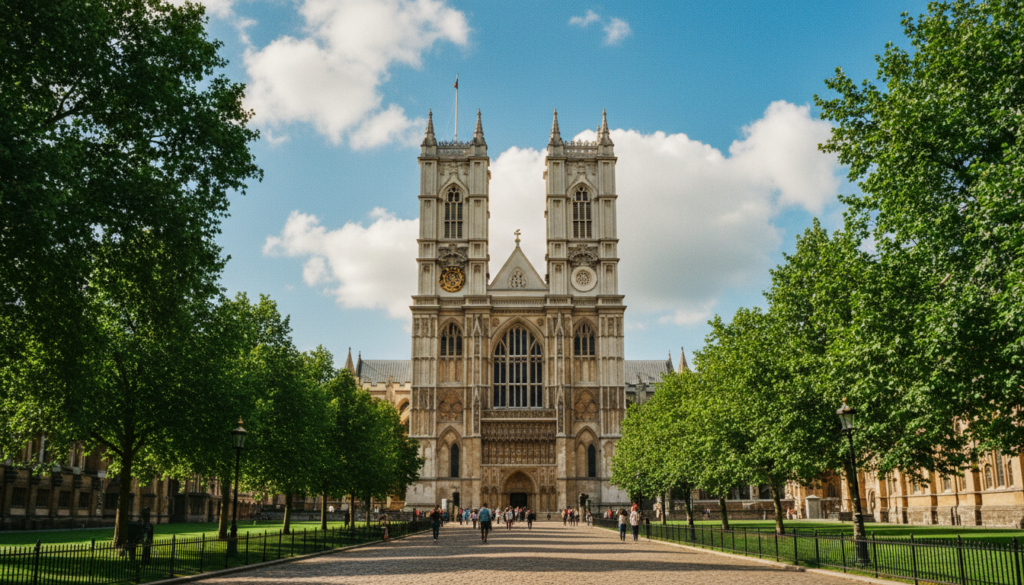
Dive into cultural London and uncover stories that shaped a nation over a thousand years. These experiences go beyond just sightseeing. You’ll learn about monarchs, political intrigue, and traditions that shape the world today.
From grand abbeys to secret bunkers, historic London offers unique experiences. Each place tells a chapter in British history, preserved with care. They bring the past to life in vivid ways.
A Gothic Masterpiece of Kings and Poets
Westminster Abbey is a key British building, the coronation church for over 900 years. It shows architectural styles from the 13th to 16th centuries. Nearly every British monarch has been crowned here, and many are buried inside.
Visit to see remarkable features. Poets’ Corner honors literary giants like Shakespeare and Dickens. The Lady Chapel has the tombs of Elizabeth I and her half-sister Mary I. The medieval Cosmati pavement is a masterpiece from 1268.
The Coronation Chair is a key artifact, used for over 700 years. Guided tours or audio guides enhance your visit. For a free experience, attend evensong services to hear the choir, but touring isn’t allowed then.
Christopher Wren’s Baroque Triumph
St Paul’s Cathedral is a symbol of London. Designed by Christopher Wren, it survived the Blitz. Climbing the dome is a challenge but offers stunning views.
The climb has 528 steps in three sections:
- Whispering Gallery – 259 steps up, where whispers travel 112 feet
- Stone Gallery – Exterior platform with city views
- Golden Gallery – The highest point with 360-degree views
Inside, you’ll see mosaics, carvings, and memorials. The cathedral has hosted royal weddings and funerals. Spend at least two hours exploring.
Britain’s Underground War Command Center
The Churchill War Rooms take you into WWII Britain. Located under Whitehall, it was Winston Churchill’s secret headquarters. The rooms are as they were left in 1945, a true time capsule.
Walk through the Cabinet War Rooms where decisions were made. Original maps show troop positions. Churchill’s desk and chamber pot are in place. The Map Room shows the final day of the war.
The Churchill Museum explores his life through exhibits and artifacts. You’ll learn about his leadership and speeches. This experience shows how London history was shaped during WWII.
Many London attractions offer combined tickets for better value.
Henry VIII’s Grand Tudor Estate
Hampton Court Palace is a great day trip from London. It was Henry VIII’s favorite palace. The palace mixes Tudor and Baroque styles across 60 acres.
Highlights include the State Apartments, historic kitchens, and the famous hedge maze. The Great Vine is the world’s largest grape vine. Seasonal gardens change with the seasons.
This historic treasure offers a day away from London’s crowds. Costumed interpreters bring Tudor life to life. Spring and summer visits show off the gardens, while winter is quieter.
Explore more cultural landmarks with a museum pass for access to many sites.
Things to Do in London for Families and Children

London is a city that balances learning with fun for families. It offers many activities that are either free or very affordable. This makes it a great place for families to explore, with something for everyone to enjoy.
Exploring London with kids is easy because there’s so much to see and do. You can find educational spots and exciting attractions all in one place. This makes for a day filled with memories for the whole family.
Natural History Museum and Dinosaur Gallery
The Natural History Museum in South Kensington is a favorite among families. It’s free to visit, making it a great choice for families on a budget. The moment you enter, you’ll be amazed by the huge blue whale skeleton hanging from the ceiling.
The Dinosaur Gallery is a highlight for kids. They’ll love the animatronic T-Rex that moves and roars. The gallery also has real diplodocus skeletons and interactive displays that make learning fun.
The museum has more to offer families:
- An earthquake simulator that recreates the 1995 Kobe earthquake experience
- Darwin Centre for behind-the-scenes looks at scientific research
- Free backpacks and activity trails for different age groups
- The Cocoon structure showing specimens from the museum’s 80-million-item collection
Arrive at the 10am opening time to avoid big crowds. While the permanent collections are free, some special exhibitions need tickets in advance.
London Eye Observation Wheel
The London Eye has become a symbol of the city. It’s a 135-meter observation wheel that rotates slowly, making it safe for everyone. It takes about 30 minutes to complete one full revolution.
Each glass capsule can hold up to 25 people. From up high, you can see landmarks like Big Ben and Buckingham Palace. On clear days, you can see up to 40 kilometers in all directions.
Before your ride, you’ll watch a 4D cinema presentation. Booking timed entry slots in advance helps avoid long queues. Evening rides are magical, with the city lights sparkling below.
Consider visiting the SEA LIFE London Aquarium, located beneath the London Eye. This makes planning your day easy, as all these attractions are close together.
Harry Potter Warner Bros Studio Tour
The Harry Potter Studio Tour is a must-see for fans of the series. It’s located in Leavesden, about 40 minutes from central London. Tickets sell out quickly, so book well in advance.
Walking through the sets is an unforgettable experience. You’ll see the Great Hall, Diagon Alley, and the Hogwarts Express. The attention to detail is incredible, showing the artistry behind the films.
Plan to spend 3-4 hours exploring the studio. Highlights include:
- Authentic costumes worn by the actors
- Special effects demonstrations
- A creature design workshop
- The Knight Bus and Privet Drive sets
- Butterbeer tasting
Combination tickets with transportation from central London make getting there easy. The shuttle buses run regularly from Watford Junction station. Arrive on time for a smooth entry.
SEA LIFE London Aquarium
The SEA LIFE London Aquarium is a great place to explore marine life. It’s located beneath the London Eye and offers 1-2 hours of underwater adventure. You’ll see everything from seahorses to sharks in well-designed habitats.
The walk-through ocean tunnel lets you feel like you’re walking on the seafloor. Rays and sharks swim above you, creating an immersive experience. The curved glass offers 360-degree views of the marine life.
Interactive touch pools let kids get hands-on with certain species. This teaches them about marine biology in a fun way. The aquarium also focuses on conservation and ocean protection, adding educational value to the visit. There are themed zones that explore different aquatic environments.
The aquarium is conveniently located on the South Bank. It’s easy to combine it with the London Eye, riverside walks, and nearby restaurants. Many families plan full-day itineraries in this area. Booking online tickets in advance can save you money and ensure entry during busy times.
Shopping Districts and Retail Experiences
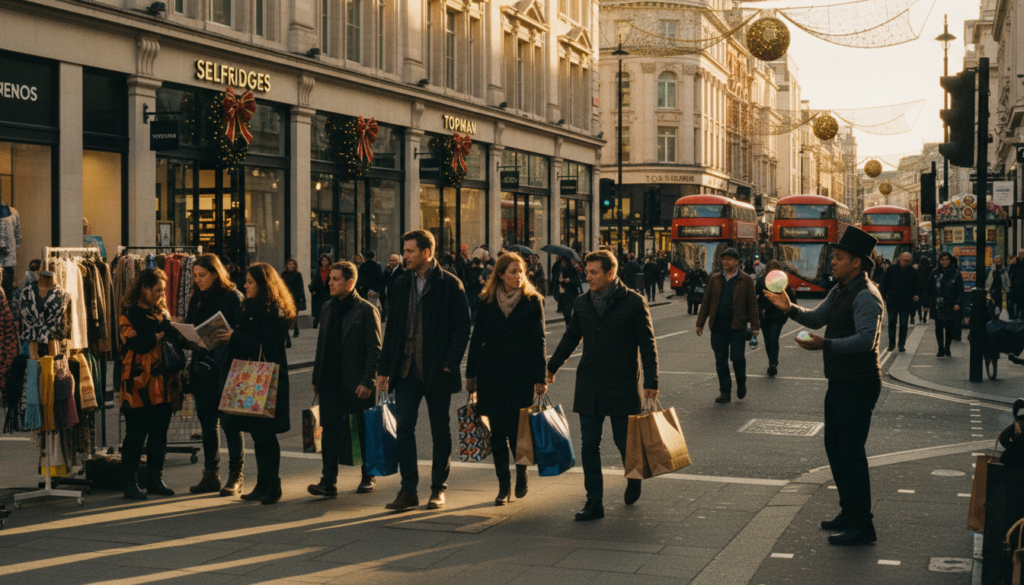
London’s shopping scene is vast, from iconic Oxford Street to quirky Carnaby Street boutiques. It’s a paradise for shoppers of all tastes and budgets. You’ll find historic buildings, British brands, and unique atmospheres in each area. Whether you seek luxury fashion, vintage finds, or authentic souvenirs, London’s diverse districts offer unforgettable experiences.
Each shopping area has its own charm and specialty. You can spend hours in world-class department stores and then explore independent boutiques. The mix of historic architecture, modern retail, and street entertainment makes London’s shopping experiences unique.
Main Shopping Arteries and Historic Department Stores
Oxford Street is Europe’s busiest shopping spot, with over 300 shops along its mile-and-a-half stretch. You’ll find big names like Selfridges, Marks & Spencer, and Primark. The street is a shopper’s dream.
Regent Street is just south of Oxford Street, known for its heritage buildings and upscale shops. Hamleys toy store is a world-famous spot with seven floors of toys and play areas.
Liberty London offers a unique shopping experience in its mock-Tudor building. Founded in 1875, it’s known for luxury fabrics and fashion. Its floral prints are a symbol of British design.
Fortnum and Mason, the Queen’s grocer, offers a quintessential British shopping experience. You’ll find gourmet teas, preserves, and hampers. The Christmas displays are a must-see.
Practical shopping tips for these busy streets:
- Avoid weekends for less crowds
- Try side streets like South Molton Street for quieter shopping
- International visitors can enjoy tax-free shopping
- Use Oxford Circus or Bond Street tube stations for easy access
Market Square Entertainment and Boutique Shopping
Covent Garden combines shopping with street entertainment in a historic district. The Apple Market offers handmade jewelry and artwork. The covered area protects you from the weather.
Street performers entertain all day in the piazza. You’ll see musicians, acrobats, and more. The tradition of street performance here is centuries old.
The area has a mix of high-street chains and designer boutiques. Neal’s Yard is known for health food shops and natural skincare. Benjamin Pollock’s Toyshop and Stanfords travel bookshop add to the charm.
Covent Garden also has great dining options. Restaurants, cafes, and pubs offer everything from snacks to meals. It’s perfect for shopping and then enjoying a show.
Luxury Department Store Experience in Knightsbridge
Harrods is the epitome of luxury shopping in London. The iconic Brompton Road building draws visitors worldwide. Inside, you’ll find luxury fashion, jewelry, and gourmet food halls.
The Harrods food halls feature art nouveau tilework and gourmet products. You can find fresh seafood, chocolates, and specialty teas. Dining options include a large dining hall and a Prada Caffè.
The Egyptian escalator is famous for its sphinxes and hieroglyphics. You’ll also find memorials and historical displays. Even without buying, walking through Harrods is a treat.
Harvey Nichols is nearby, known for contemporary fashion and beauty. Knightsbridge is home to designer boutiques like Chanel and Prada.
The London retail experience is more than just shopping. It’s about historic buildings, street theater, and neighborhood atmosphere.
Independent Retailers and Vintage Fashion Hub
Carnaby Street in Soho is a world away from luxury stores. It’s filled with independent boutiques and vintage shops. Known for its alternative fashion, it’s a hub for unique style.
Kingly Court offers three floors of independent shops and restaurants. The courtyard setting is like a village in central London. Shops here specialize in streetwear and vintage accessories.
The area’s musical heritage is celebrated with commemorative plaques. Record shops and fashion boutiques coexist, keeping the creative spirit alive. Vintage finds range from 1970s denim to 1990s sportswear.
Carnaby Street hosts seasonal events and installations. The streets are decorated for Christmas, Pride, and more. It’s perfect for finding unique pieces or gifts that showcase London’s creativity.
How to Make the Most of Things to Do in London
Smart planning makes your London trip unforgettable. It saves you money and time with the right tools and strategies.
First, learn about London’s transport. The Oyster card is essential for getting around. It’s cheaper than cash tickets. You can buy one at any Tube station or use your contactless card.
The London Pass gives you access to over 80 attractions. Check if it’s cheaper than buying individual tickets. Many museums are free, so you might save by buying tickets for paid sites.
Choose the right time to visit London. Prices are lower from November to March, and there are fewer people. Spring and fall have nice weather without the high prices of summer. Book tickets early for attractions like the Tower of London to avoid long lines.
Plan your trip by neighborhood to save time. Group attractions like Westminster Abbey and Buckingham Palace together. This way, you see more and spend less time traveling.
FAQ
How many days do I need to see the main things to do in London?
You’ll need at least three to five days to see London’s main attractions without feeling rushed. A two-day visit lets you see iconic spots like the Tower of London and Buckingham Palace. You can also visit one or two museums.
With three to four days, you can add experiences like a Thames river cruise and a West End show. You can also explore different neighborhoods like Covent Garden or Camden Town. Five days or more gives you time to visit attractions outside central London.
Remember, many of London’s best museums offer free admission. This makes London accessible for everyone, no matter your budget.
Are the major museums in London really free?
Yes, most of London’s major museums offer free admission to their permanent collections. This includes the British Museum, National Gallery, and Tate Modern. You can spend several days enjoying world-class art and history without paying a single admission fee.
While permanent collections are free, special temporary exhibitions require paid tickets. Many museums also offer free guided tours and audio guides, though some audio guides may have a small rental fee.
What’s the best way to get around London for sightseeing?
The London Underground (the Tube) combined with buses and occasional Thames Clippers river buses is the most efficient way to navigate London. Use an Oyster card or contactless credit/debit card for the cheapest fare and daily caps.
The Tube connects most major attractions quickly, though it can be crowded during rush hours. London’s red double-decker buses offer a scenic option with great views from the upper front seats. For a refreshing alternative, try the Thames Clippers river bus service.
Walking is also recommended for shorter distances, allowing you to discover interesting shops, pubs, and street life.
Do I need to book tickets in advance for London attractions?
For many popular paid attractions, booking in advance is highly recommended. The Tower of London, London Eye, and Westminster Abbey all offer online advance booking to avoid long queues.
The Harry Potter Studio Tour requires advance booking and often sells out weeks ahead. West End theatre shows can be purchased at the door, but booking ahead secures better seats and availability.
For free museums, you typically don’t need advance booking for permanent collections. The Changing of the Guard at Buckingham Palace requires no ticket but has a specific schedule.
What’s the difference between Tower Bridge and London Bridge?
Tower Bridge and London Bridge are two different bridges located near each other on the Thames. Tower Bridge is the iconic Victorian bascule bridge with two Gothic towers. It’s the famous postcard image most people associate with London.
London Bridge is a modern concrete structure rebuilt in 1973. The original London Bridge, famous from the nursery rhyme, was sold and relocated to Arizona in 1968. The mix-up happens so frequently that locals are accustomed to redirecting confused tourists!
Is afternoon tea worth the cost, and where should I go?
Afternoon tea is considered a quintessentially British experience. It costs £30-40 at moderate venues and £50-70 or more at luxury hotels. You’ll receive a multi-course experience including finger sandwiches, scones, pastries, and unlimited tea.
The experience usually lasts 90 minutes to two hours, making it more than just a snack. For classic luxury experiences, consider The Ritz, Claridge’s, or The Savoy. Mid-range options include The Goring, Fortnum & Mason, and The Shard’s Ting restaurant.
For budget-conscious visitors, department store restaurants and hotel chains offer afternoon tea for £20-30. Remember, proper etiquette includes tea before milk, eating sandwiches first then scones then pastries, and no, you don’t raise your pinky finger—that’s actually considered pretentious!
When is the Changing of the Guard at Buckingham Palace, and where’s the best viewing spot?
The Changing of the Guard ceremony at Buckingham Palace typically takes place at 11:00am and lasts about 45 minutes. The schedule varies by season and day of the week. From April through July, it usually occurs on Mondays, Wednesdays, Fridays, and Sundays.
From August through March, it typically happens on Mondays, Wednesdays, Fridays, and Sundays, though the schedule can change due to weather conditions or state events—always check the official Household Division website before your visit to confirm. The ceremony is completely free to watch, but securing a good viewing position requires arriving at least 45-60 minutes early,
Remember, the best viewing spots are directly in front of Buckingham Palace by the railings, along The Mall, or at St James’s Palace. Many visitors find the parade along The Mall equally impressive and less crowded than the palace itself. The ceremony involves the Old Guard handing over responsibility to the New Guard accompanied by a Guards band playing a mixture of traditional military music and contemporary songs.
How much does the Harry Potter Studio Tour cost, and is it suitable for non-fans?
The Harry Potter Warner Bros. Studio Tour tickets cost approximately £50-55 for adults and £41-45 for children (ages 5-15), with family packages available. You’ll need to book well in advance, as it sells out weeks ahead during school holidays.
The ticket price includes access to all sets, props, costumes, and interactive experiences, plus a complimentary digital guide. The entire visit typically takes 3-4 hours, though you can spend longer if you’re a dedicated fan. Transportation from central London isn’t included in the basic ticket, but you can purchase packages that include coach transfers from Victoria Station or train tickets with shuttle bus connections.
As for whether it’s suitable for non-fans, opinions vary—hardcore Potter enthusiasts find it absolutely magical and worth every penny. Casual fans or those interested in filmmaking generally enjoy the experience, appreciating the craftsmanship and scale of production even without deep Potter knowledge. Families with children who love the books and films consistently rate this as their London highlight.
What are the best free things to do in London?
London offers an exceptional array of free experiences that could easily fill several days. All major museums provide free admission to permanent collections, including the British Museum, National Gallery, and Tate Modern. London’s beautiful parks are completely free, including Hyde Park, Regent’s Park, St James’s Park, and Greenwich Park.
The Changing of the Guard ceremony at Buckingham Palace and Horse Guards Parade costs nothing to watch. Exploring vibrant neighborhoods like Covent Garden, Camden Town markets, Notting Hill, and the South Bank provides hours of entertainment. Many churches offer free entry, including the beautiful St Martin-in-the-Fields which hosts free lunchtime concerts.
Free walking tours operate throughout London (guides work for tips), providing excellent introductions to different neighborhoods. You can stand on the Prime Meridian Line at Greenwich without paying to enter the Royal Observatory. The Sky Garden atop the Walkie Talkie building offers free panoramic views if you book a free timed slot in advance. Borough Market, Portobello Road Market, and other markets are free to explore even if you don’t purchase food.
Can I use American credit cards on London’s public transportation?
Yes, you can use American contactless credit or debit cards directly on London’s buses, Tube, Overground, DLR, Thames Clippers, and National Rail services within London. You simply tap your card on the yellow card reader when entering and exiting stations or boarding buses.
The system works with any contactless-enabled Visa, Mastercard, or American Express card. Your bank will convert charges from British pounds to dollars at their exchange rate, and you’ll see individual journey charges on your statement. Before your trip, notify your bank that you’ll be traveling to London to prevent fraud blocks on your card, and check whether your card charges foreign transaction fees.
Use the same card for all journeys throughout the day to ensure the daily cap applies correctly, and if traveling with others, each person must use their own individual card as you can’t tap multiple people through with a single card.
What’s the best time of year to visit London?
London is genuinely a year-round destination, with each season having its own advantages. Spring (April-May) is considered ideal, with blooming parks and gardens, moderate temperatures, and manageable crowd levels. Summer (June-August) brings the longest days, warmest weather, and outdoor festivals, but also peak tourist crowds and higher prices.
Fall (September-October) provides pleasant weather, beautiful autumn colors, and the beginning of the cultural season. Winter (November-March) offers the lowest hotel rates, far fewer crowds, and magical Christmas decorations and markets. The absolute busiest periods to avoid if you dislike crowds are school summer holidays, Christmas week through New Year’s, Easter week, and British school half-term breaks.
For the best balance of weather, daylight, and manageable crowds, consider visiting in late April-May or September-early October.
Is the London Pass worth buying?
Whether the London Pass represents good value depends on your specific itinerary and visiting style. The pass provides admission to over 80 attractions for one upfront price based on duration (1, 2, 3, 4, 5, 6, 7, or 10 consecutive days), currently ranging from approximately £90 for one day to £170 for six days for adults.
It includes popular paid attractions like the Tower of London, Westminster Abbey, and St Paul’s Cathedral, plus skip-the-line privileges at some locations. To determine if it’s worthwhile for you, calculate the total cost of attractions you actually plan to visit—if you’re seeing multiple expensive attractions daily, the pass can save significant money.
Remember, London’s major museums (British Museum, National Gallery, Tate Modern, Victoria and Albert Museum, Natural History Museum) offer free admission and aren’t included in the pass because they don’t need to be. The pass works best for visitors with aggressive sightseeing itineraries who plan to visit 3-4 paid attractions daily, arrive when attractions open to maximize time, and don’t mind a somewhat regimented schedule.
It’s less valuable if you prefer a leisurely pace, spend significant time in free museums and parks, enjoy lingering in cafes and neighborhoods, or are selective about seeing only a few specific paid attractions. Many budget-conscious travelers find they save more money by paying individually for just the paid attractions they’re truly interested in while taking full advantage of London’s exceptional free cultural offerings.
Where can I get the best views of London’s skyline?
London offers numerous spectacular viewpoints, both free and paid, each providing different perspectives of the city’s skyline. Parliament Hill on Hampstead Heath provides the most famous free panoramic view, elevated enough to see across the entire city from the financial district to the West End, with St Paul’s Cathedral, the Shard, and other landmarks visible—it’s
stunning at sunset and popular with Londoners for picnics. The Sky Garden atop the Walkie Talkie building at 20 Fenchurch Street offers free 360-degree views from the 35th floor surrounded by landscaped gardens, though you must book a free timed slot in advance (they release slots three weeks ahead and they fill quickly). The Tate Modern viewing level (floors 10) provides free Thames views toward St Paul’s Cathedral.
For paid viewpoints, the London Eye gives you 360-degree rotating views from 135 meters high with photo opportunities in all directions. The View from the Shard takes you to Western Europe’s tallest building (244-310 meters high on viewing floors 68-72) for extraordinary views, though tickets are expensive at £28-35. The Sky Garden at St Paul’s Cathedral requires climbing 528 steps (or taking an elevator partway) but rewards you with remarkable views from the Golden Gallery at 85 meters. Primrose Hill, another free option in Regent’s Park, offers an intimate view across central London that’s
romantic at sunset. Greenwich Park provides historic maritime London views with the Old Royal Naval College and Canary Wharf in the distance. For unique perspectives, consider the Thames Cable Car (Emirates Air Line) connecting Greenwich Peninsula to the Royal Docks, or Alexandra Palace in North London for sweeping views across the city. Each viewpoint offers something different, so your choice depends on your budget, the neighborhood you’re exploring, and whether you prefer intimate free spots or paid observation platforms with facilities.